ot_danum
- Historical Context
- The Ot Danum have traditionally lived in the heart of Borneo, with a history intertwined with the river systems and rainforests of the region. They are known for their resistance to external influences and maintaining their cultural identity.
- Migration Patterns
- The Ot Danum have historically been semi-nomadic, with some migration noted due to environmental changes and inter-tribal interactions.
- Conflict And Resilience History
- The Ot Danum have faced challenges from logging and land development, leading to efforts to preserve their land rights and cultural heritage.
- Diaspora Perspectives
- There is a small diaspora of Ot Danum people who have migrated to urban areas for education and employment, maintaining strong ties to their homeland.
- Regional Variations
- Regional differences are noted in dialects and ceremonial practices within Ot Danum communities dispersed across Borneo.
- Bridging Notes
- Efforts have been made to bridge traditional Ot Danum knowledge with modern practices, particularly in sustainable forestry and environmental conservation.
- Spiritual And Religious Practices
- The Ot Danum practice a form of animism, with a strong emphasis on ancestral worship and nature spirits, alongside some influences from Christianity.
- Beliefs And Worldview
- The Ot Danum worldview includes a profound respect for nature, which is considered a living entity that must be preserved and honored.
- Cultural Proverbs Sayings
- Proverbs reflect the community's values of harmony with nature and the importance of communal living.
- Naming Conventions And Terms Of Address
- Names often reflect nature and ancestral heritage, with formal terms of address used for elders and respected community members.
- Health And Mental Health
- Health practices include traditional herbal medicine alongside modern healthcare, with a focus on community health.
- Mental Health Views
- Mental health is traditionally not separated from physical health and is approached through holistic and community-based practices.
- Traditional Healers
- Shamans (known as 'dukun') play an important role in health and community rituals.
- Gender Roles In Healthcare
- Women often serve as caregivers and midwives, while men may engage in shamanistic practices.
- Healthcare Barriers
- Access to modern healthcare is limited by geographic isolation and economic factors.
- Education And Learning Styles
- Education is traditionally oral and experiential, with a focus on practical skills and cultural knowledge.
- Learning Styles
- Learning is communal and intergenerational, with storytelling and apprenticeships being key methods.
- Parental Engagement
- Parents are deeply involved in the educational process, particularly in passing down cultural knowledge and skills.
- Family And Social Structure
- The community is organized around extended family units living in longhouses, with a strong emphasis on communal decision-making.
- Discipline And Behavior
- Discipline is often community-based, with elders playing a key role in maintaining social norms.
- Authority Attitudes
- Respect for elders and community leaders is deeply ingrained, with decisions often made collectively.
- Etiquette And Customs
- Customs emphasize hospitality, respect for elders, and communal harmony.
- Community Strengths Resilience
- Strong social networks and a deep connection to cultural heritage provide resilience against external pressures.
- Art Music And Expression
- Traditional music, dance, and weaving are prominent forms of cultural expression, often performed during communal gatherings.
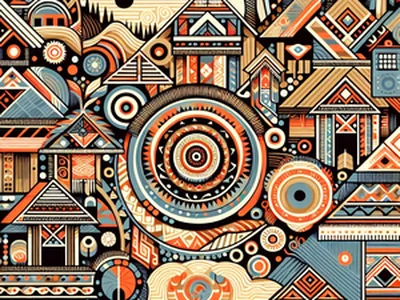
- Cultural Symbols Motifs
- Motifs often include natural elements like trees, rivers, and animals, reflecting their environmental connection.
- What Brings Joy
- Community gatherings, nature, and artistic expression are key sources of joy.
- Celebrations Joyful Traditions
- Festivals often revolve around agricultural cycles and religious events, featuring music, dance, and feasting.
- Cultural Calendar And Holidays
- Key holidays include harvest festivals and important religious and communal celebrations.
- Additional Notes
- There is a growing movement to document and preserve traditional songs and stories.
- Economic Context And Occupations
- Economy is primarily based on agriculture, with some involvement in sustainable forestry and crafts.
- Housing And Living Arrangements
- Communal longhouses are central to Ot Danum living, symbolizing unity and cooperation.
- Nutrition And Dietary Norms
- Diet is largely based on rice, vegetables, and locally sourced proteins, with a strong emphasis on self-sufficiency.
- Interpretation Needs
- Interpretation may be needed for Ot Danum speakers in healthcare and legal settings outside their community.
- Interpreter Notes
- Interpreters should be aware of cultural nuances and the importance of non-verbal communication.
- Documentation Traditions
- Traditionally, knowledge is passed orally, but there is a growing effort to document language and cultural practices.
- Interactions With Other Cultures
- The Ot Danum engage in trade and cultural exchange with neighboring Dayak groups and Malay communities.
- Conflict Resolution Mechanisms
- Conflicts are traditionally resolved through community meetings and consensus-building.
- Cultural Exchange Programs
- There are initiatives to promote cultural exchange with other indigenous groups within Borneo.
- Trade Relations
- Trade in crafts and agricultural products occurs with nearby communities and urban centers.
- Shared Artistic Projects
- Collaborations often occur in the form of joint festivals and artistic workshops.
- Intercultural Marriages
- Intercultural marriages are not uncommon and are generally accepted, often strengthening communal ties.
- Shared Educational Initiatives
- Joint educational programs focus on cultural preservation and environmental education.
- Youth Perspectives
- Youth are increasingly balancing traditional values with modern aspirations, seeking education and employment opportunities.
- Education Initiatives
- There are efforts to increase educational access and incorporate cultural studies in curricula.
- Future Challenges
- Challenges include balancing modernization with cultural preservation and addressing environmental threats.
- Youth Employment Trends
- Youth are moving towards urban areas for employment in education, crafts, and sustainable tourism.
- Future Visions
- There is a vision for sustainable development that respects cultural heritage and environmental integrity.
- Youth Leadership Roles
- Youth are taking on leadership roles in community development and cultural preservation efforts.
- Innovation And Startups
- Some youth are involved in startups focused on eco-tourism and sustainable agriculture.
- Festivals And Celebrations
- Festivals celebrate agricultural cycles, community milestones, and religious occasions, featuring traditional music and dance.
- Traditional Medicine Practices
- Healing practices involve natural remedies and spiritual healing conducted by shamans.
- Environmental Practices
- Environmental stewardship is a core value, with rituals and practices aimed at conserving natural resources.
- Rituals
- Rituals often mark important life events and community gatherings, emphasizing social cohesion and spiritual beliefs.
- Rites Of Passage
- Rites of passage include ceremonies for birth, coming of age, marriage, and death, reinforcing cultural continuity.
- Culinary Traditions
- Cuisine is based on locally sourced ingredients, with traditional methods of preparation that are environmentally friendly.
- Climate Adaptation Strategies
- Adaptations include shifting agricultural practices and community initiatives to mitigate environmental impacts.
- Biodiversity Conservation
- Conservation efforts focus on preserving local biodiversity through traditional and modern practices.
- Sustainable Tourism Practices
- Tourism initiatives are designed to be sustainable, emphasizing cultural education and environmental conservation.
- Renewable Energy Use
- There is an increasing interest in renewable energy sources, such as solar power, to reduce environmental impact.
- Community Involvement In Practices
- Community involvement is central to all environmental and cultural practices, ensuring collective responsibility and benefit.
- Environmental Education Programs
- Educational programs aim to raise awareness about environmental issues and instill sustainable practices from an early age.
- Notable Figures
- Notable figures include community leaders and activists who have worked to preserve Ot Danum culture and rights.
- Cultural Innovations
- Innovations include the adaptation of traditional crafts for contemporary markets and sustainable practices in resource management.
- Literary Works
- Oral literature, including folktales and epic stories, is a significant cultural contribution, with efforts underway to document these traditions.
- Architectural Styles
- The traditional longhouse is an iconic architectural style, reflecting communal living and environmental adaptation.
- Scientific Contributions
- Contributions include indigenous knowledge of biodiversity and ecological systems, informing conservation strategies.
- Culinary Innovations
- Culinary practices emphasize sustainable sourcing and traditional preparation methods, appealing to a growing interest in indigenous cuisines.
- Global Influence
- Ot Danum culture contributes to global understanding of indigenous practices and sustainable living.
- Awards And Recognition
- Recognition includes awards for community leaders and initiatives in cultural preservation and environmental conservation.
- Modern Influences
- Modern influences include technology use, increased access to education, and participation in broader economic activities.
- Digital Presence
- Digital tools are used to document and share Ot Danum culture, with social media helping connect members across regions.
- Globalization Effects
- Globalization brings opportunities and challenges, particularly in balancing traditional practices with modern demands.
- Urbanization Effects
- Urban migration impacts cultural transmission, with efforts to maintain connections to traditional practices.
- Technology Adoption
- Technology is increasingly adopted for educational and cultural preservation purposes.
- Hybrid Cultural Forms
- Hybrid cultural forms emerge as traditional practices intersect with modern influences, creating new expressions of cultural identity.
- Social Media Presence
- Social media plays a role in cultural exchange and community engagement, especially among the youth.
- Challenges
- Challenges include environmental threats, cultural erosion, and economic pressures impacting traditional lifestyles.
- Preservation Efforts
- Efforts focus on documenting cultural practices, advocating for land rights, and promoting sustainable development.