
Ossetians
Caucasus, primarily in North Ossetia-Alania (Russia) and South Ossetia. OssetianRussian
The Ossetians are an ethnic group primarily residing in the Caucasus region, known for their rich cultural heritage and unique traditions.
Historical Context
The Ossetians are descendants of the Alans, an ancient Iranian people. Their history is marked by migrations and interactions with neighboring cultures, including the Georgians and Russians.
Migration Patterns
Historically, Ossetians have migrated within the Caucasus region due to various socio-political factors, including conflicts and economic opportunities.
Conflict And Resilience History
The Ossetians have faced numerous conflicts, particularly during the Soviet era and the post-Soviet conflicts in South Ossetia. Despite these challenges, they have maintained a strong cultural identity.
Diaspora Perspectives
Ossetian communities exist in Russia and other parts of the former Soviet Union, where they maintain cultural ties and traditions.
Regional Variations
There are two main dialects of the Ossetian language: Iron and Digor, which reflect regional cultural variations.
Bridging Notes
Ossetians have historically served as a cultural bridge between the Russian and Georgian influences in the Caucasus.
Spiritual And Religious Practices
Ossetians traditionally practice Eastern Orthodoxy, with some communities adhering to indigenous pagan beliefs.
Beliefs And Worldview
The Ossetian worldview is deeply rooted in their history and mythology, emphasizing values such as hospitality, bravery, and respect for elders.
Cultural Proverbs Sayings
Ossetian proverbs often reflect themes of wisdom, community, and resilience.
Naming Conventions And Terms Of Address
Ossetians typically use patronymics and surnames that reflect their family lineage and regional origins.
Health And Mental Health
Traditional health practices coexist with modern medicine, with a focus on community-based care.
Mental Health Views
Mental health is often approached with a focus on family support and community involvement.
Traditional Healers
Traditional healers, known as 'khetag', play a role in Ossetian health practices, particularly in rural areas.
Gender Roles In Healthcare
Healthcare roles are traditionally gendered, with women often serving as primary caregivers within families.
Healthcare Barriers
Access to healthcare can be limited in rural areas, with language barriers sometimes affecting service delivery.
Education And Learning Styles
Education is highly valued, with a strong emphasis on both formal schooling and the transmission of cultural knowledge.
Learning Styles
Ossetians often prefer collaborative and community-based learning approaches.
Parental Engagement
Parents are actively involved in their children's education, emphasizing the importance of academic and cultural learning.
Family And Social Structure
Ossetian society is traditionally organized around extended family units, with strong kinship ties.
Discipline And Behavior
Discipline is often community-oriented, with a focus on maintaining social harmony and respect.
Authority Attitudes
Respect for elders and community leaders is a fundamental aspect of Ossetian culture.
Etiquette And Customs
Hospitality is a key cultural value, with specific customs governing social interactions and guest-host relationships.
Community Strengths Resilience
The Ossetian community is known for its resilience and ability to maintain cultural traditions despite external pressures.
Art Music And Expression
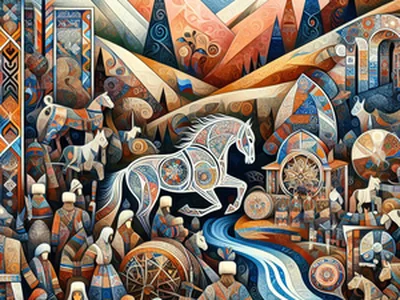
Ossetian culture is rich in music, dance, and storytelling, with traditional instruments like the 'fandyr' being central to cultural expression.
Cultural Symbols Motifs
Symbols such as the Ossetian three pies (symbolizing the sun, earth, and water) are significant in cultural rituals.
What Brings Joy
Community gatherings, festivals, and traditional music and dance are sources of joy for Ossetians.
Celebrations Joyful Traditions
Festivals such as the Iron Fæstag and the celebration of St. George's Day are important cultural events.
Cultural Calendar And Holidays
Ossetians observe a mix of religious and cultural holidays, including New Year and Easter.
Additional Notes
Ossetian cultural expression is deeply tied to their historical narratives and mythology.
Economic Context And Occupations
The economy is diverse, with agriculture, mining, and crafts being significant sectors.
Housing And Living Arrangements
Traditional Ossetian homes are often multi-generational, reflecting the importance of family ties.
Nutrition And Dietary Norms
The Ossetian diet includes staples like bread, meat, and dairy, with traditional dishes such as 'khabizgina' being popular.
Interpretation Needs
In regions where Ossetian is not the primary language, interpretation services may be necessary for effective communication.
Interpreter Notes
Interpreters should be familiar with both the Iron and Digor dialects to effectively serve the Ossetian community.
Documentation Traditions
Oral traditions are strong, with storytelling being a key method of cultural transmission.
Interactions With Other Cultures
Ossetians have historically interacted with neighboring cultures, including Georgians and Russians, influencing and being influenced by them.
Conflict Resolution Mechanisms
Traditional conflict resolution often involves community elders and respected leaders.
Cultural Exchange Programs
Cultural exchange programs with neighboring regions help promote mutual understanding and preserve Ossetian traditions.
Trade Relations
Trade has historically been a means of cultural exchange and economic sustenance for the Ossetians.
Shared Artistic Projects
Collaborative artistic projects with other Caucasian cultures are common, reflecting shared histories and themes.
Intercultural Marriages
Intercultural marriages are not uncommon, reflecting the interconnectedness of the Caucasus region.
Shared Educational Initiatives
Educational initiatives often focus on promoting cultural heritage and language preservation.
Youth Perspectives
Ossetian youth are increasingly engaged in cultural preservation while also embracing modern influences.
Education Initiatives
There are efforts to enhance educational opportunities, particularly in rural areas, to ensure access to quality education.
Future Challenges
Challenges include economic development, cultural preservation, and navigating modern influences.
Youth Employment Trends
Youth employment is focused on both traditional sectors like agriculture and emerging fields such as technology.
Future Visions
The future vision for Ossetians includes a balance between preserving cultural heritage and embracing modernization.
Youth Leadership Roles
Youth are increasingly taking on leadership roles in cultural and community organizations.
Innovation And Startups
There is a growing interest in entrepreneurship and innovation among Ossetian youth, particularly in technology and cultural industries.
Festivals And Celebrations
Festivals play a crucial role in Ossetian culture, with events like the Iron Fæstag celebrating community and heritage.
Traditional Medicine Practices
Traditional medicine, including herbal remedies and spiritual healing, is practiced alongside modern healthcare.
Environmental Practices
Ossetians have a strong connection to their natural environment, with practices that emphasize sustainability and conservation.
Rituals
Rituals often involve elements of Ossetian mythology and are integral to cultural identity.
Rites Of Passage
Rites of passage, such as weddings and funerals, are significant cultural events with elaborate customs.
Culinary Traditions
Ossetian cuisine is known for its hearty dishes, with bread and meat being staples.
Climate Adaptation Strategies
Traditional knowledge is used to adapt to the mountainous climate of the Caucasus.
Biodiversity Conservation
Efforts are made to preserve the unique biodiversity of the Ossetian region through community initiatives.
Sustainable Tourism Practices
Sustainable tourism is promoted to protect cultural and natural heritage while supporting economic development.
Renewable Energy Use
There is an increasing focus on renewable energy sources to meet local energy needs sustainably.
Community Involvement In Practices
Community involvement is key in environmental and cultural preservation efforts.
Environmental Education Programs
Programs are in place to educate the community, especially youth, about environmental conservation and sustainable practices.
Notable Figures
Notable Ossetians include poet Kosta Khetagurov and opera singer Veronika Dudarova.
Cultural Innovations
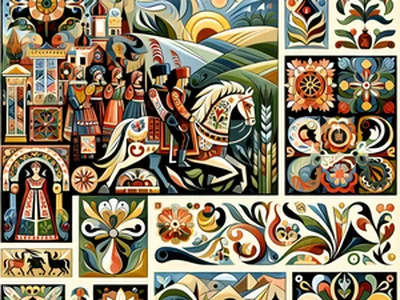
Ossetians have contributed to the arts, particularly in music and dance, with unique styles and performances.
Literary Works
Ossetian literature includes epic poetry and modern works that reflect the culture's rich history.
Architectural Styles
Traditional Ossetian architecture includes stone towers and homes that reflect the mountainous environment.
Scientific Contributions
Ossetians have made contributions in fields such as linguistics and ethnography.
Culinary Innovations
Ossetian cuisine is known for its unique pies and dairy products, which have gained popularity beyond the region.
Global Influence
Ossetian culture has influenced neighboring regions through shared traditions and cultural exchanges.
Awards And Recognition
Ossetian artists and scholars have received recognition for their contributions to culture and academia.
Modern Influences
Modern influences include the integration of technology and contemporary art forms into traditional practices.
Digital Presence
Ossetians are increasingly using digital platforms to promote and preserve their cultural heritage.
Globalization Effects
Globalization has brought both opportunities and challenges, influencing cultural practices and economic activities.
Urbanization Effects
Urbanization has led to changes in living arrangements and social dynamics, particularly in larger cities.
Technology Adoption
Technology is being adopted in various sectors, including education and cultural preservation.
Hybrid Cultural Forms
Hybrid cultural forms are emerging, blending traditional Ossetian elements with modern influences.
Social Media Presence
Social media is used to connect with the diaspora and promote Ossetian culture globally.
Challenges
Challenges include cultural preservation in the face of modernization and political instability in the region.
Preservation Efforts
Efforts are being made to preserve the Ossetian language and cultural practices through education and community initiatives.
Cultural Artwork
Community Discussion
Further Reading
Explore credible external sources to deepen your understanding of Ossetians culture.