

Oroks
Sakhalin Island, Russia OrokRussian
The Oroks are an indigenous people living in the Sakhalin Island, Russia.
Historical Context
The Oroks have a long history of living on Sakhalin Island, with evidence of human habitation dating back to the Neolithic period.
Migration Patterns
The Oroks migrated to Sakhalin Island from mainland Asia around 1000 BCE.
Conflict And Resilience History
The Oroks have faced significant challenges due to colonization and forced assimilation policies, but have maintained their cultural identity through resilience and adaptation.
Diaspora Perspectives
Many Oroks have been displaced or relocated due to Soviet-era policies, leading to a diaspora community in urban areas of Russia.
Regional Variations
The Oroks have regional variations in language, customs, and traditions, reflecting their diverse cultural heritage.
Beliefs And Worldview
The Oroks believe in a complex cosmology, with multiple spirits and deities associated with natural phenomena.
Cultural Proverbs Sayings
A traditional Orok proverb states: 'The forest is our mother; we must respect her.'
Naming Conventions And Terms Of Address
Oroks use kinship terms to address one another, reflecting their strong emphasis on family and community ties.
Health And Mental Health
The Oroks have a holistic understanding of health, emphasizing the interconnectedness of physical, mental, and spiritual well-being.
Mental Health Views
Mental illness is often viewed as a result of spiritual imbalance or disconnection from nature.
Traditional Healers
Orok traditional healers use plant-based remedies, rituals, and ceremonies to restore balance and promote healing.
Gender Roles In Healthcare
Women play a significant role in Orok healthcare, providing emotional support and practical care for family members.
Healthcare Barriers
Limited access to modern healthcare services and cultural barriers can hinder Oroks' ability to seek medical attention.
Education And Learning Styles
The Oroks value experiential learning, with a focus on hands-on skills development and practical knowledge.
Learning Styles
Orok children learn through observation, imitation, and participation in community activities.
Parental Engagement
Parents are actively involved in their children's education, often serving as teachers or mentors.
Family And Social Structure
The Orok family is extended, with multiple generations living together and sharing responsibilities.
Discipline And Behavior
Children are taught to respect nature, community members, and authority figures through storytelling, example-setting, and gentle guidance.
Authority Attitudes
Respect for elders and traditional leaders is deeply ingrained in Orok culture, with a strong emphasis on consensus-building and decision-making.
Etiquette And Customs
Oroks observe strict etiquette rules regarding food sharing, gift-giving, and hospitality.
Community Strengths Resilience
The Orok community is known for its resilience in the face of adversity, with a strong emphasis on cooperation, mutual support, and collective problem-solving.
Art Music And Expression
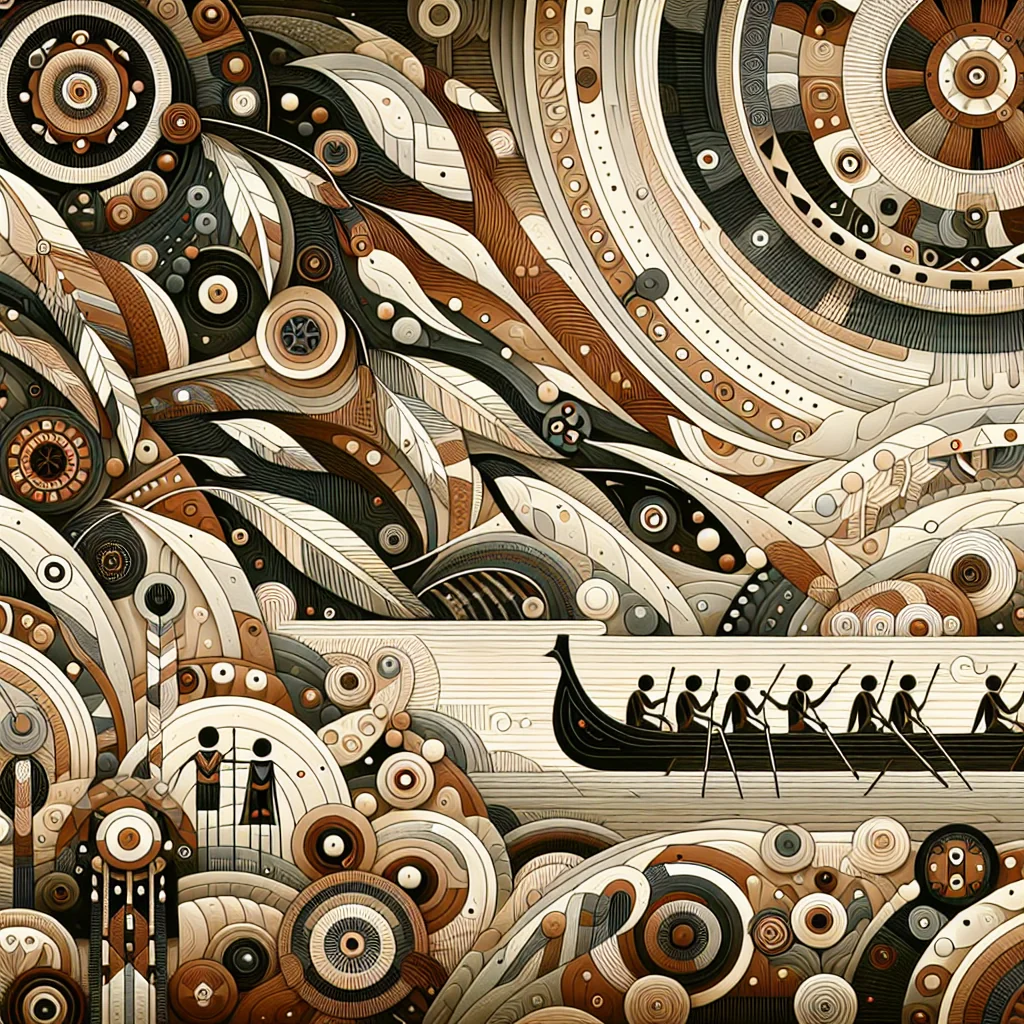
Orok art forms include traditional masks, carvings, and textiles, often used in ceremonies and storytelling.
Cultural Symbols Motifs
The Orok use natural symbols like animals, plants, and landscapes to convey spiritual and cultural meaning.
What Brings Joy
Traditional music, dance, and storytelling bring joy and community together during celebrations and special occasions.
Celebrations Joyful Traditions
The Oroks celebrate the changing of the seasons with festivals honoring their ancestors and the natural world.
Cultural Calendar And Holidays
Orok holidays include the Winter Solstice, Spring Equinox, and Harvest Festival.
Economic Context And Occupations
The Oroks have traditionally engaged in hunting, gathering, fishing, and small-scale agriculture.
Housing And Living Arrangements
Orok communities live in traditional dwellings made from natural materials like wood, bark, and grasses.
Nutrition And Dietary Norms
The Orok diet consists of locally sourced foods like fish, berries, nuts, and roots.
Interpretation Needs
Interpreters may be needed for Oroks who speak Russian or other languages as a second language.
Interpreter Notes
Trained interpreters should be familiar with Orok cultural nuances and terminology to ensure accurate communication.
Documentation Traditions
Oroks have a rich oral tradition, but written records are increasingly being used to document their history and culture.
Interactions With Other Cultures
The Oroks have a history of interacting with other indigenous groups, as well as Russian colonizers and settlers.
Conflict Resolution Mechanisms
Orok communities use mediation, storytelling, and consensus-building to resolve conflicts.
Cultural Exchange Programs
Cultural exchange programs between Orok and other indigenous groups promote mutual understanding and respect.
Trade Relations
The Oroks have traditionally traded with neighboring communities, exchanging goods like furs, fish, and handicrafts.
Shared Artistic Projects
Orok artists collaborate with international artists on joint projects celebrating their shared cultural heritage.
Intercultural Marriages
Intercultural marriages between Orok and other groups are common, reflecting the community's openness to diversity.
Shared Educational Initiatives
The Oroks participate in regional educational initiatives promoting indigenous language and cultural preservation.
Youth Perspectives
Young Oroks value their cultural heritage but also seek modern education and economic opportunities.
Education Initiatives
Orok communities are developing education programs focusing on traditional skills, language, and cultural knowledge.
Future Challenges
The Oroks face challenges related to climate change, resource extraction, and cultural preservation in the face of globalization.
Youth Employment Trends
Youth employment opportunities include eco-tourism, sustainable forestry, and small-scale entrepreneurship.
Future Visions
Orok youth envision a future where their culture is respected, preserved, and integrated into modern society.
Youth Leadership Roles
Young Oroks are taking on leadership roles in community development, education, and cultural preservation initiatives.
Innovation And Startups
The Oroks are developing innovative solutions to address environmental challenges and promote sustainable development.
Festivals And Celebrations
The Oroks celebrate the changing of the seasons with festivals honoring their ancestors and the natural world.
Traditional Medicine Practices
Orok traditional healers use plant-based remedies, rituals, and ceremonies to restore balance and promote healing.
Environmental Practices
The Oroks have a deep understanding of ecological balance and practice sustainable hunting, gathering, and fishing methods.
Rituals
Orok spiritual leaders perform rituals to maintain balance, ensure fertility, and promote well-being in the community.
Rites Of Passage
The Oroks have a rich tradition of initiation rituals marking important life transitions, such as birth, coming-of-age, and marriage.
Culinary Traditions
The Orok diet consists of locally sourced foods like fish, berries, nuts, and roots, reflecting their deep connection with nature.
Climate Adaptation Strategies
Orok communities are developing climate adaptation strategies, including reforestation, permaculture, and renewable energy projects.
Biodiversity Conservation
The Oroks prioritize biodiversity conservation through sustainable land-use practices and protected areas.
Renewable Energy Use
Orok communities are transitioning to renewable energy sources like solar, wind, and hydroelectric power.
Community Involvement In Practices
Oroks actively participate in environmental conservation efforts, such as reforestation and wildlife protection.
Environmental Education Programs
The Oroks offer environmental education programs for children and adults, promoting ecological awareness and sustainable practices.
Notable Figures
Notable Orok figures include shamans, artists, and community leaders who have made significant contributions to their culture.
Cultural Innovations
The Oroks have developed innovative solutions to address environmental challenges, such as sustainable forestry and renewable energy projects.
Literary Works
Orok literature includes traditional stories, songs, and poems passed down through generations.
Architectural Styles
Orok architecture reflects their connection with nature, featuring traditional dwellings made from natural materials like wood, bark, and grasses.
Scientific Contributions
The Oroks have a deep understanding of ecological balance and contribute to scientific research on sustainable development and environmental conservation.
Culinary Innovations
Orok cuisine is characterized by locally sourced ingredients and traditional cooking methods, reflecting their connection with nature.
Global Influence
The Oroks have influenced global culture through their art, music, and spiritual practices, which are increasingly recognized for their value and significance.
Awards And Recognition
The Oroks have received awards and recognition for their contributions to environmental conservation, cultural preservation, and community development.
Modern Influences
Orok culture is influenced by modern trends, such as eco-tourism, sustainable development, and renewable energy projects.
Digital Presence
Orok communities are increasingly using digital platforms to share their culture, promote education, and connect with the global community.
Globalization Effects
The Oroks face challenges related to globalization, including cultural homogenization, resource extraction, and environmental degradation.
Urbanization Effects
Orok communities face challenges related to urbanization, including cultural displacement, resource competition, and environmental degradation.
Technology Adoption
The Oroks are adopting technologies like solar power, wind turbines, and hydroelectric systems to reduce their reliance on fossil fuels.
Hybrid Cultural Forms
The Oroks are developing hybrid cultural forms, blending traditional practices with modern technologies and innovations.
Social Media Presence
Orok communities have a strong social media presence, using platforms to share their stories, promote education, and connect with the global community.
Challenges
The Oroks face significant cultural challenges, including cultural preservation, language loss, and community displacement due to colonization and globalization.
Preservation Efforts
Orok communities are actively working to preserve their culture through education programs, language revitalization initiatives, and community development projects.
Cultural Artwork
Community Discussion
Further Reading
Explore credible external sources to deepen your understanding of Oroks culture.