
Omani
Middle East, Arabian Peninsula Arabic
The Omani culture is a rich tapestry of traditions, values, and history, deeply rooted in the Arabian Peninsula.
Historical Context
Oman has a rich history dating back thousands of years, with influences from Persian, Portuguese, and British rule.
Migration Patterns
Historically, Omanis have migrated for trade and exploration, particularly along the Indian Ocean.
Conflict And Resilience History
Oman has experienced periods of conflict, including internal tribal disputes and external pressures, but has maintained stability through diplomacy.
Diaspora Perspectives
The Omani diaspora is spread across East Africa, the UK, and the US, maintaining cultural ties through community organizations.
Regional Variations
Cultural practices vary between coastal and interior regions, influenced by trade and geography.
Bridging Notes
Oman's strategic location has facilitated cultural exchanges, enriching its cultural tapestry.
Spiritual And Religious Practices
Islam is the predominant religion, with Ibadi Islam being particularly significant in Oman.
Beliefs And Worldview
Omanis value hospitality, family, and community, with a worldview shaped by Islamic teachings.
Cultural Proverbs Sayings
Common proverbs emphasize wisdom, patience, and the importance of family.
Naming Conventions And Terms Of Address
Names often reflect Islamic heritage, with respectful terms of address used for elders and leaders.
Health And Mental Health
Healthcare in Oman is modern and accessible, with a focus on both physical and mental well-being.
Mental Health Views
Mental health is increasingly recognized, with efforts to reduce stigma and improve services.
Traditional Healers
Traditional medicine, including herbal remedies, is still practiced alongside modern healthcare.
Gender Roles In Healthcare
Healthcare is accessible to both men and women, with increasing female participation in the medical field.
Healthcare Barriers
Rural areas may face challenges in accessing healthcare facilities.
Education And Learning Styles
Education is highly valued, with a strong emphasis on science and technology.
Learning Styles
Omani students often engage in collaborative and experiential learning.
Parental Engagement
Parents are actively involved in their children's education, often participating in school activities.
Family And Social Structure
Family is the cornerstone of Omani society, with extended families often living together.
Discipline And Behavior
Discipline is generally guided by Islamic principles and family values.
Authority Attitudes
Respect for elders and authority figures is deeply ingrained in Omani culture.
Etiquette And Customs
Hospitality is a key aspect, with customs such as offering coffee and dates to guests.
Community Strengths Resilience
Strong community bonds and a collective spirit contribute to resilience in times of adversity.
Art Music And Expression
Omani music and dance, such as the 'razha' and 'bar'a', are integral to cultural expression.
Cultural Symbols Motifs
Symbols like the khanjar (dagger) and frankincense are iconic in Omani culture.
What Brings Joy
Festivals, family gatherings, and traditional music bring joy to Omanis.
Celebrations Joyful Traditions
Eid celebrations and National Day are significant joyful occasions.
Cultural Calendar And Holidays
Islamic holidays and National Day are key events in the Omani calendar.
Additional Notes
Omani culture is a harmonious blend of tradition and modernity, celebrated through various art forms.
Economic Context And Occupations
Oman's economy is diverse, with key sectors including oil, agriculture, and tourism.
Housing And Living Arrangements
Housing varies from traditional homes to modern apartments, with a focus on family living.
Nutrition And Dietary Norms
Omani cuisine features rice, meat, and seafood, with dates and coffee as staples.
Interpretation Needs
Arabic is the primary language, but English is widely understood, especially in business contexts.
Interpreter Notes
Interpreters may be needed in rural areas or for specific dialects.
Documentation Traditions
Oral traditions are strong, but written documentation is increasingly common in education and business.
Interactions With Other Cultures
Oman has a history of peaceful interactions and trade with various cultures.
Conflict Resolution Mechanisms
Diplomacy and dialogue are preferred methods for resolving conflicts.
Cultural Exchange Programs
Oman participates in cultural exchange programs to promote understanding and cooperation.
Trade Relations
Oman maintains strong trade relations with neighboring countries and global partners.
Shared Artistic Projects
Collaborations in music and art with other Gulf countries are common.
Intercultural Marriages
Intercultural marriages are accepted, reflecting Oman's openness to diversity.
Shared Educational Initiatives
Oman collaborates with international institutions for educational development.
Youth Perspectives
Omani youth are increasingly global in outlook, valuing education and innovation.
Education Initiatives
Government initiatives focus on enhancing education quality and accessibility.
Future Challenges
Youth unemployment and economic diversification are key challenges.
Youth Employment Trends
There is a growing trend towards entrepreneurship and technology sectors.
Future Visions
Oman's Vision 2040 aims for sustainable development and economic diversification.
Youth Leadership Roles
Youth are encouraged to take leadership roles in community and business settings.
Innovation And Startups
The startup ecosystem is growing, with support for innovation and technology.
Festivals And Celebrations
Festivals like Eid and National Day are celebrated with enthusiasm across Oman.
Traditional Medicine Practices
Herbal medicine and traditional healing practices are still valued in rural areas.
Environmental Practices
Oman is committed to environmental conservation and sustainable practices.
Rituals
Rituals often revolve around Islamic practices and family traditions.
Rites Of Passage
Rites of passage include ceremonies for birth, marriage, and coming of age.
Culinary Traditions
Omani cuisine is rich and diverse, with dishes like shuwa and majboos being popular.
Climate Adaptation Strategies
Efforts are underway to adapt to climate change, focusing on water conservation and sustainable agriculture.
Biodiversity Conservation
Oman has initiatives to protect its unique biodiversity, including marine life and desert ecosystems.
Sustainable Tourism Practices
Tourism development focuses on sustainability and cultural preservation.
Renewable Energy Use
Oman is investing in solar and wind energy as part of its renewable energy strategy.
Community Involvement In Practices
Community involvement is key in environmental and cultural preservation efforts.
Environmental Education Programs
Programs aim to educate the public on environmental issues and sustainable practices.
Notable Figures
Figures like Sultan Qaboos bin Said have played significant roles in shaping modern Oman.
Cultural Innovations
Oman has contributed to innovations in architecture and maritime navigation.
Literary Works
Omani poetry and literature reflect the country's rich cultural heritage.
Architectural Styles
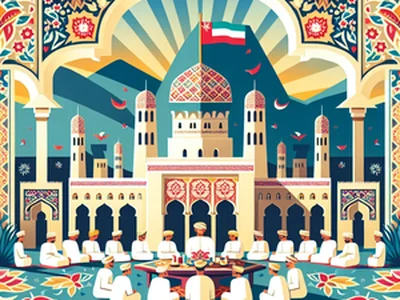
Omani architecture is known for its forts, mosques, and traditional homes.
Scientific Contributions
Oman has made strides in scientific research, particularly in marine biology and geology.
Culinary Innovations
Omani cuisine is known for its unique blend of spices and flavors.
Global Influence
Oman's strategic location has historically made it a hub for cultural and trade exchanges.
Awards And Recognition
Oman has received international recognition for its cultural preservation and environmental efforts.
Modern Influences
Omani culture is influenced by globalization, with a blend of traditional and modern elements.
Digital Presence
Omanis are active on social media, using it for communication and cultural expression.
Globalization Effects
Globalization has brought diverse influences to Oman, impacting lifestyle and culture.
Urbanization Effects
Urbanization is leading to changes in living patterns and infrastructure development.
Technology Adoption
Oman is rapidly adopting technology, with a focus on digital transformation.
Hybrid Cultural Forms
Hybrid cultural forms are emerging, combining traditional and modern elements.
Social Media Presence
Social media is widely used for cultural exchange and maintaining social connections.
Challenges
Balancing modernization with cultural preservation is a key challenge for Oman.
Preservation Efforts
Efforts are underway to preserve Omani heritage through museums and cultural programs.
Cultural Artwork
Community Discussion
Further Reading
Explore credible external sources to deepen your understanding of Omani culture.