Norwegian
- Historical Context
- Norwegian history is marked by the Viking Age, which began around 800 AD, characterized by exploration, trade, and conquest. The country later unified under King Harald Fairhair and experienced a period of Christianization. Norway was part of various unions, including with Denmark and Sweden, before gaining full independence in 1905.
- Migration Patterns
- Norwegians have historically migrated to North America, particularly during the 19th and early 20th centuries, seeking better economic opportunities. Recent migration patterns include a diverse influx of immigrants from Eastern Europe and the Middle East.
- Conflict And Resilience History
- Norway has experienced conflicts such as the Napoleonic Wars and World War II, during which it was occupied by Nazi Germany. The country has shown resilience through its commitment to peace and democracy.
- Diaspora Perspectives
- The Norwegian diaspora, particularly in the United States and Canada, maintains cultural ties through organizations and events celebrating Norwegian heritage and traditions.
- Regional Variations
- Norway has distinct regional cultures, such as the Sami in the north, known for their reindeer herding and unique traditions, and the coastal communities with maritime influences.
- Bridging Notes
- Efforts to bridge cultural differences focus on promoting inclusivity and understanding, particularly between ethnic Norwegians and immigrant communities.
- Spiritual And Religious Practices
- The majority of Norwegians are members of the Church of Norway, a Lutheran denomination, though secularism is prevalent. Traditional beliefs include respect for nature and folklore.
- Beliefs And Worldview
- Norwegians value egalitarianism, individual freedom, and a strong social welfare system. There is a deep respect for nature, reflected in outdoor activities and environmental consciousness.
- Cultural Proverbs Sayings
- Common sayings include 'Ut på tur, aldri sur' (Out on a trip, never sour) and 'Det finnes ikke dårlig vær, bare dårlige klær' (There is no bad weather, only bad clothing).
- Naming Conventions And Terms Of Address
- Norwegians typically use first names in informal settings, reflecting a culture of equality. Surnames often derive from geographical locations or patronymics.
- Health And Mental Health
- Norway has a robust healthcare system with universal coverage. Mental health is increasingly prioritized, with efforts to reduce stigma and improve access to services.
- Mental Health Views
- Mental health is viewed as an integral part of overall well-being, with growing awareness and acceptance of seeking professional help.
- Traditional Healers
- While modern medicine is predominant, some traditional practices persist, particularly in rural areas, including herbal remedies and folk medicine.
- Gender Roles In Healthcare
- Healthcare is gender-neutral, with equal access for all. However, there is ongoing work to address gender-specific health issues and disparities.
- Healthcare Barriers
- Barriers include geographic challenges in remote areas and language barriers for immigrants, which are addressed through translation services and outreach programs.
- Education And Learning Styles
- Norwegian education emphasizes critical thinking, creativity, and collaboration. The system is inclusive, with a focus on equal opportunities for all students.
- Learning Styles
- Learning is student-centered, with an emphasis on group work, project-based learning, and practical applications of knowledge.
- Parental Engagement
- Parents are actively involved in their children's education, participating in school meetings and supporting learning at home.
- Family And Social Structure
- Norwegian families are typically nuclear, with a strong emphasis on work-life balance and shared responsibilities. Social structures are egalitarian, promoting gender equality.
- Discipline And Behavior
- Discipline is generally gentle, with a focus on dialogue and understanding rather than punishment. Children are encouraged to express themselves and learn from their experiences.
- Authority Attitudes
- Authority is respected but not unquestioned. There is a cultural preference for consensus and collaboration over hierarchical decision-making.
- Etiquette And Customs
- Norwegians value punctuality, direct communication, and personal space. It is customary to remove shoes indoors and greet with a firm handshake.
- Community Strengths Resilience
- Communities are characterized by strong social networks and a collective spirit, often coming together to support each other in times of need.
- Art Music And Expression
- Norwegian culture boasts a rich tradition of folk music, literature, and visual arts. Edvard Grieg and Henrik Ibsen are notable figures, and contemporary art continues to thrive.
- Cultural Symbols Motifs
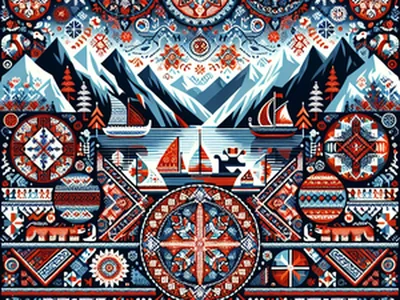
- Symbols like the Viking ship, the fjord, and the troll are iconic. The bunad, a traditional costume, is worn during celebrations.
- What Brings Joy
- Norwegians find joy in outdoor activities, community gatherings, and cultural festivals. The concept of 'kos', meaning coziness, is central to their lifestyle.
- Celebrations Joyful Traditions
- Constitution Day on May 17th is a major celebration, marked by parades and national pride. Christmas and Midsummer are also significant cultural events.
- Cultural Calendar And Holidays
- Key holidays include Constitution Day, Christmas, Easter, and Midsummer. These are celebrated with traditional foods, music, and family gatherings.
- Additional Notes
- Norwegian culture is deeply intertwined with nature, influencing art, traditions, and daily life. The emphasis on sustainability and environmental stewardship is evident in cultural expressions.
- Economic Context And Occupations
- Norway has a mixed economy with a strong welfare state. Key industries include oil and gas, maritime, and technology, with a focus on sustainable practices.
- Housing And Living Arrangements
- Housing is typically modern and well-insulated, reflecting the cold climate. Urban areas have a mix of apartments and single-family homes, while rural areas feature traditional wooden houses.
- Nutrition And Dietary Norms
- The Norwegian diet is rich in seafood, dairy, and whole grains. Traditional dishes include salmon, reindeer, and brown cheese, with a growing trend towards organic and locally sourced foods.
- Interpretation Needs
- Interpretation services are available for immigrants and non-native speakers, particularly in healthcare and legal settings, to ensure effective communication.
- Interpreter Notes
- Interpreters are trained to understand cultural nuances and provide accurate translations, respecting confidentiality and neutrality.
- Documentation Traditions
- Documentation is thorough and systematic, reflecting the high value placed on transparency and accountability in both public and private sectors.
- Interactions With Other Cultures
- Norway has historically interacted with neighboring cultures such as Sweden, Denmark, and Finland, as well as with the broader Scandinavian region. These interactions have been shaped by both conflict and cooperation, leading to shared cultural elements. In recent years, Norway has become more multicultural with increased immigration, which has enriched its cultural landscape.
- Conflict Resolution Mechanisms
- Traditionally, Norwegians have employed consensus-building and dialogue as primary methods for conflict resolution. Mediation by community elders or local leaders, known as 'forliksråd', plays a critical role. Modern practices still emphasize peaceful negotiation and legal arbitration.
- Cultural Exchange Programs
- Norway participates in numerous cultural exchange programs such as the Erasmus+ program and bilateral cultural agreements with countries worldwide. These programs aim to foster mutual understanding and share cultural heritage.
- Trade Relations
- Norway maintains strong trade relationships globally, particularly with the European Union, the United States, and China. Its economy is heavily reliant on exports of oil, gas, seafood, and technology, which facilitates intercultural exchanges and economic partnerships.
- Shared Artistic Projects
- Collaborative artistic endeavors include the Nordic Council's joint artistic projects and partnerships with international artists. Norway is known for its contributions to literature, music, and visual arts on the global stage.
- Intercultural Marriages
- Intercultural marriages are increasingly common in Norway, reflecting the country's growing diversity. Such unions are generally accepted and celebrated, contributing to a richer multicultural society.
- Shared Educational Initiatives
- Norway is involved in shared educational initiatives, including the Nordplus program, which promotes cooperation between Nordic and Baltic countries in education and training, enhancing intercultural understanding and collaboration.
- Youth Perspectives
- Norwegian youth are often optimistic and globally minded, valuing education, environmental sustainability, and social equality. They are active in advocating for climate action and social justice.
- Education Initiatives
- Education in Norway focuses on inclusivity, critical thinking, and innovation. Recent initiatives emphasize STEM education, digital literacy, and environmental studies to prepare students for the future.
- Future Challenges
- Challenges for the future include addressing climate change, managing immigration, and sustaining economic growth while maintaining social welfare systems.
- Youth Employment Trends
- Youth employment trends in Norway show a strong focus on service industries, technology, and renewable energy sectors. The government supports youth employment through apprenticeships and vocational training.
- Future Visions
- The community envisions a future where Norway continues as a leader in sustainability, with a robust economy and a society that values diversity and inclusivity.
- Youth Leadership Roles
- Youth are increasingly taking on leadership roles in politics, business, and civil society. Organizations like Young Entrepreneurs Norway support young leaders in bringing innovative ideas to fruition.
- Innovation And Startups
- Norway has a thriving startup ecosystem, particularly in the tech and green energy sectors. Young entrepreneurs are encouraged through government grants, incubators, and innovation hubs.
- Festivals And Celebrations
- Major festivals include Constitution Day on May 17th, Christmas, and Midsummer. These celebrations often feature parades, traditional costumes, and community gatherings.
- Traditional Medicine Practices
- While modern healthcare is predominant, some traditional practices like the use of herbal remedies and massage are still valued in rural areas.
- Environmental Practices
- Norway is a global leader in environmental stewardship, implementing strict regulations to protect natural resources and reduce carbon emissions.
- Rituals
- Important cultural rituals include confirmations for youth, which are both religious and secular in nature, and seasonal rituals tied to agriculture and fishing.
- Rites Of Passage
- Common rites of passage include baptism, confirmation, marriage, and funerals, each with unique ceremonies that often blend tradition and personal elements.
- Culinary Traditions
- Traditional foods include dishes like lutefisk, gravlaks, and rømmegrøt. Norwegian cuisine emphasizes fresh, local ingredients, especially seafood.
- Climate Adaptation Strategies
- Norway actively invests in climate adaptation strategies, including infrastructure resilience, sustainable urban planning, and renewable energy development.
- Biodiversity Conservation
- Efforts to protect biodiversity are robust, with initiatives like the protection of national parks and marine reserves, and the promotion of sustainable fishing practices.
- Sustainable Tourism Practices
- Norway promotes sustainable tourism by encouraging eco-friendly travel options and supporting local communities and conservation projects.
- Renewable Energy Use
- The country is a pioneer in renewable energy, particularly hydropower, which accounts for over 95% of its electricity production, along with investments in wind and solar energy.
- Community Involvement In Practices
- Communities actively participate in cultural and environmental practices through local associations, volunteerism, and public consultation processes.
- Environmental Education Programs
- Environmental education is integrated into school curricula, emphasizing sustainability, conservation, and the impact of climate change.
- Notable Figures
- Important figures include playwright Henrik Ibsen, artist Edvard Munch, and contemporary author Karl Ove Knausgård. Norway has also produced influential scientists like May-Britt Moser, Nobel laureate in physiology.
- Cultural Innovations
- Norway has contributed significantly to modern theatre and art, with innovations in expressionism and naturalism, and is known for its pioneering work in black metal music.
- Literary Works
- Norwegian literature boasts classics like Ibsen's plays and Knut Hamsun's novels, as well as rich oral traditions of sagas and folklore.
- Architectural Styles
- Norwegian architecture is known for its modernist designs and sustainable building practices, exemplified by the Oslo Opera House and the Stave Churches.
- Scientific Contributions
- Norwegian scientists have made significant contributions to fields like oceanography, Arctic research, and neuroscience.
- Culinary Innovations
- Culinary innovations include the New Nordic Cuisine movement, which emphasizes local, seasonal ingredients and has gained international acclaim.
- Global Influence
- Norway's influence on global culture is evident through its Nobel Peace Prize, contributions to global environmental policies, and cultural exports in literature and music.
- Awards And Recognition
- Norwegian authors and scientists have achieved global recognition, including multiple Nobel Prizes in literature and peace.
- Modern Influences
- Contemporary Norwegian culture is influenced by global trends in fashion, music, and technology, while maintaining a strong sense of national identity.
- Digital Presence
- Norway has a robust digital presence, with widespread internet access and active participation in online communities and digital innovation.
- Globalization Effects
- Globalization has brought diverse cultural influences to Norway, enriching its cultural fabric while also presenting challenges in preserving traditional customs.
- Urbanization Effects
- Urbanization has led to a concentration of the population in cities like Oslo and Bergen, impacting housing, infrastructure, and cultural life.
- Technology Adoption
- Norway is a leader in technology adoption, with a strong emphasis on digital transformation in both public and private sectors.
- Hybrid Cultural Forms
- There is a growing fusion of traditional and modern cultural elements, seen in music, fashion, and art, reflecting Norway's dynamic cultural evolution.
- Social Media Presence
- Social media is widely used in Norway for communication, activism, and cultural promotion, with platforms like Facebook, Instagram, and Twitter being popular.
- Challenges
- Current challenges include managing the impacts of climate change, integrating immigrants, and addressing social inequalities while maintaining economic prosperity.
- Preservation Efforts
- Efforts to preserve cultural heritage include funding for museums and cultural sites, promotion of the Norwegian language, and support for traditional crafts and practices.