
Nigerian
West Africa HausaYorubaIgboEnglish
The Nigerian culture is a rich and diverse blend of over 250 ethnic groups, with a strong emphasis on community, family, and tradition.
Historical Context
Nigeria has a complex history shaped by colonialism, slavery, and cultural exchange.
Migration Patterns
The country's population is made up of over 250 ethnic groups, with many migrating from neighboring countries.
Conflict And Resilience History
Nigeria has experienced numerous conflicts, including the Biafran War and the Nigerian Civil War, but has also shown resilience in the face of adversity.
Diaspora Perspectives
The Nigerian diaspora is a significant presence globally, with many Nigerians living abroad contributing to their host countries' cultures.
Regional Variations
Regional variations are significant in Nigeria, with different ethnic groups having distinct cultural practices and traditions.
Spiritual And Religious Practices
The majority of Nigerians practice Islam or Christianity, but there is also a significant presence of traditional African religions.
Beliefs And Worldview
Nigerian culture places a strong emphasis on community and family, with a focus on respect for elders and tradition.
Cultural Proverbs Sayings
Examples include 'A child who does not know his father's name is like a tree without roots' and 'The elephant never forgets'.
Naming Conventions And Terms Of Address
Nigerians often use honorific titles such as 'Baba' or 'Mama', and names are often given based on family or cultural traditions.
Health And Mental Health
Healthcare in Nigeria is a significant challenge, with limited access to medical services and high rates of disease.
Mental Health Views
Mental health is not widely discussed in Nigerian culture, but there is an increasing awareness of its importance.
Traditional Healers
Traditional healers are still widely used in Nigeria, particularly for spiritual or supernatural ailments.
Gender Roles In Healthcare
Women often play a significant role in healthcare in Nigeria, particularly in traditional settings.
Healthcare Barriers
Barriers to healthcare include limited access to medical services, poverty, and cultural beliefs about illness.
Education And Learning Styles
Nigerian education places an emphasis on rote learning and memorization, but there is also a growing focus on critical thinking.
Learning Styles
Learning styles vary across different ethnic groups, with some emphasizing oral tradition and others written texts.
Parental Engagement
Parental engagement in education is often high in Nigeria, particularly for girls.
Family And Social Structure
Nigerian culture places a strong emphasis on family and community, with extended families often living together.
Discipline And Behavior
Discipline and behavior are highly valued in Nigerian culture, with an emphasis on respect for elders and tradition.
Authority Attitudes
Authority is often seen as coming from traditional or spiritual sources, rather than government or institutions.
Etiquette And Customs
Etiquette and customs vary across different ethnic groups, but generally involve a strong emphasis on respect and hospitality.
Community Strengths Resilience
Nigerian communities are known for their resilience in the face of adversity, with a strong sense of solidarity and support.
Art Music And Expression
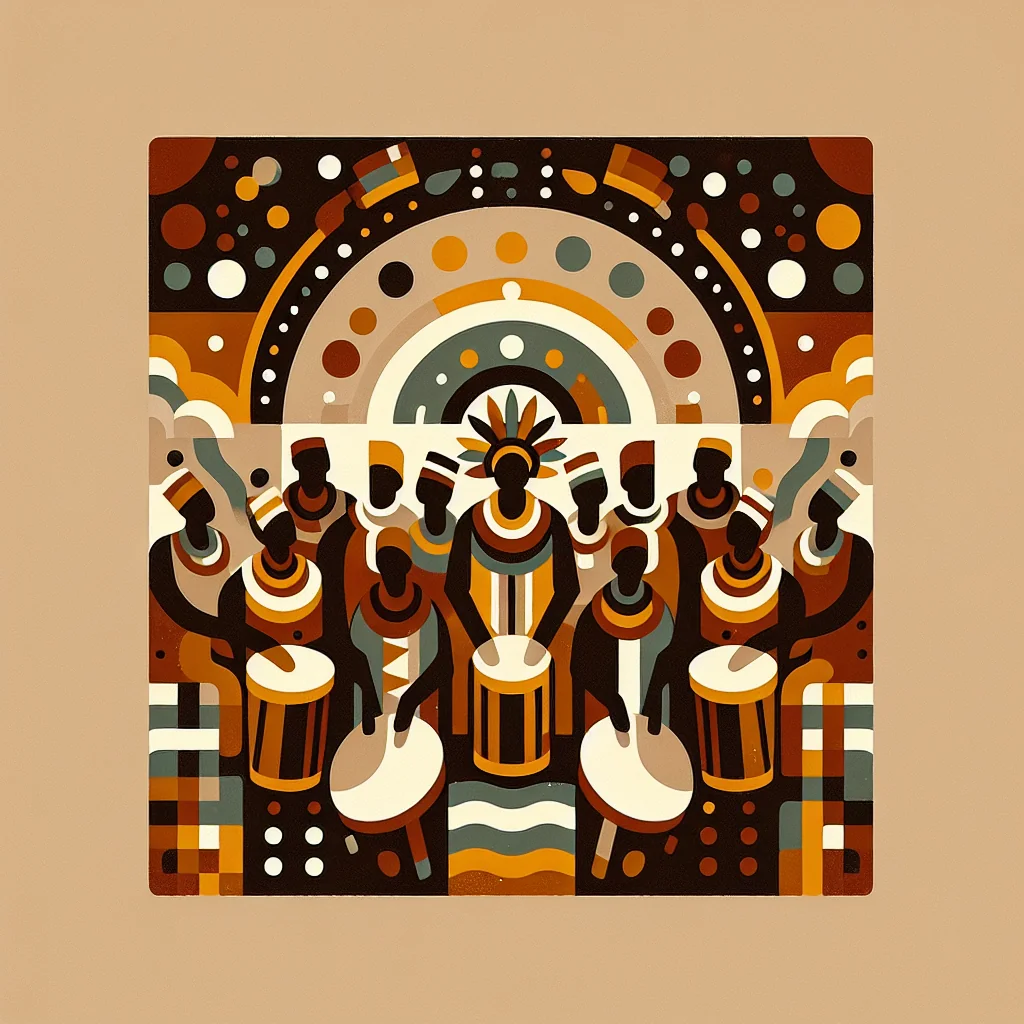
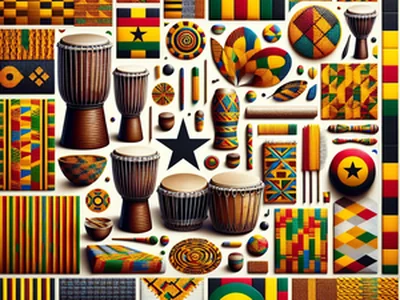
Nigerian art and music is highly expressive and vibrant, with a focus on percussion and rhythm.
Cultural Symbols Motifs
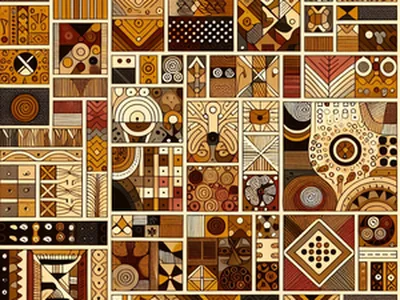
Examples include the Adire cloth pattern and the Yoruba Ifa divination symbols.
What Brings Joy
Music, dance, and storytelling are all significant sources of joy in Nigerian culture.
Celebrations Joyful Traditions
Examples include the Egungun festival and the Osun Osogbo festival.
Cultural Calendar And Holidays
Nigeria has a number of public holidays, including Independence Day and Eid al-Fitr.
Economic Context And Occupations
The Nigerian economy is largely informal, with many people engaged in small-scale agriculture or trade.
Housing And Living Arrangements
Housing varies across different regions and ethnic groups, but often involves extended family living arrangements.
Nutrition And Dietary Norms
Nigerian cuisine is highly diverse, with a focus on staple foods such as rice, yams, and plantains.
Interpretation Needs
Interpretation services are often needed for languages such as Hausa, Yoruba, and Igbo.
Interpreter Notes
Interpreters may be needed in a variety of settings, including healthcare and education.
Documentation Traditions
Documentation traditions vary across different ethnic groups, but often involve oral or written records.
Interactions With Other Cultures
Nigerians interact with other cultures through trade, tourism, and migration.
Conflict Resolution Mechanisms
Conflict resolution mechanisms vary across different ethnic groups, but often involve traditional or spiritual leaders.
Cultural Exchange Programs
Cultural exchange programs are becoming increasingly popular in Nigeria, particularly between African countries.
Trade Relations
Nigeria has trade relations with many countries, including the United States and China.
Shared Artistic Projects
Examples include the Nigerian film industry (Nollywood) and the Afrobeat music genre.
Intercultural Marriages
Intercultural marriages are becoming more common in Nigeria, particularly between Nigerians and foreigners.
Shared Educational Initiatives
Examples include the African Union's Agenda 2063 and the United Nations' Sustainable Development Goals.
Youth Perspectives
Youth perspectives on Nigerian culture are often shaped by their experiences with modernity and globalization.
Education Initiatives
Education initiatives in Nigeria focus on improving access to quality education, particularly for girls.
Future Challenges
Future challenges facing Nigeria include poverty, corruption, and climate change.
Youth Employment Trends
Youth employment trends in Nigeria are shaped by the country's informal economy and limited job opportunities.
Future Visions
Future visions for Nigeria often involve a focus on economic development, social justice, and environmental sustainability.
Youth Leadership Roles
Youth leadership roles in Nigeria are becoming increasingly important, particularly in areas such as education and healthcare.
Innovation And Startups
Innovation and startups are emerging in Nigeria, particularly in the tech sector.
Festivals And Celebrations
Examples include the Osun Osogbo festival and the Egungun festival.
Traditional Medicine Practices
Traditional medicine practices vary across different ethnic groups, but often involve herbal remedies or spiritual healing.
Environmental Practices
Environmental practices in Nigeria are shaped by traditional beliefs about nature and the importance of conservation.
Rituals
Rituals vary across different ethnic groups, but often involve spiritual or supernatural practices.
Rites Of Passage
Examples include the initiation rituals for boys and girls in different ethnic groups.
Culinary Traditions
Culinary traditions in Nigeria are shaped by staple foods such as rice, yams, and plantains.
Climate Adaptation Strategies
Climate adaptation strategies in Nigeria focus on mitigating the impacts of climate change, particularly in areas such as agriculture and water management.
Biodiversity Conservation
Biodiversity conservation efforts in Nigeria focus on protecting endangered species and ecosystems.
Renewable Energy Use
Renewable energy use is becoming increasingly important in Nigeria, particularly in areas such as solar power and wind energy.
Community Involvement In Practices
Community involvement in environmental practices is often high in Nigeria, particularly in areas such as conservation and sustainable agriculture.
Environmental Education Programs
Environmental education programs in Nigeria focus on raising awareness about the importance of conservation and sustainability.
Notable Figures
Examples include Chinua Achebe, Wole Soyinka, and Fela Kuti.
Cultural Innovations
Cultural innovations in Nigeria are emerging in areas such as music, film, and literature.
Literary Works
Examples include 'Things Fall Apart' by Chinua Achebe and 'The Lion and the Jewel' by Wole Soyinka.
Architectural Styles
Architectural styles in Nigeria vary across different ethnic groups, but often involve traditional or modern designs.
Scientific Contributions
Scientific contributions from Nigeria are emerging in areas such as medicine, technology, and environmental science.
Culinary Innovations
Culinary innovations in Nigeria are emerging in areas such as fusion cuisine and food technology.
Global Influence
Nigerian culture has a significant global influence, particularly in areas such as music, film, and literature.
Awards And Recognition
Examples include the Nobel Prize awarded to Wole Soyinka and the Grammy Award won by Fela Kuti.
Modern Influences
Modern influences on Nigerian culture include globalization, urbanization, and technological advancements.
Digital Presence
Nigerian culture has a significant digital presence, particularly in areas such as social media and online music platforms.
Globalization Effects
Globalization is having a significant impact on Nigerian culture, particularly in areas such as trade, tourism, and migration.
Urbanization Effects
Urbanization is having a significant impact on Nigerian culture, particularly in areas such as housing, transportation, and employment.
Technology Adoption
Technology adoption is becoming increasingly important in Nigeria, particularly in areas such as education and healthcare.
Hybrid Cultural Forms
Hybrid cultural forms are emerging in Nigeria, particularly in areas such as music, film, and literature.
Social Media Presence
Nigerian culture has a significant social media presence, particularly in areas such as Instagram and Facebook.
Challenges
Challenges facing Nigerian culture include poverty, corruption, and climate change.
Preservation Efforts
Preservation efforts are underway to protect Nigeria's cultural heritage, particularly in areas such as traditional music and dance.
Cultural Artwork
Community Discussion
Further Reading
Explore credible external sources to deepen your understanding of Nigerian culture.