

New Caledonian
South Pacific, Melanesia FrenchKanak languagesBislama
The New Caledonian culture is a rich tapestry of indigenous Kanak traditions blended with French influences, reflecting its colonial history and diverse population.
Historical Context
New Caledonia has a complex history involving the indigenous Kanak people and French colonization. The territory was annexed by France in 1853, leading to significant cultural and social changes.
Migration Patterns
The population includes indigenous Kanak people, descendants of European settlers, and immigrants from other Pacific islands and Asia.
Conflict And Resilience History
The Kanak people have a history of resistance against colonial rule, notably during the 1980s with the Kanak independence movement.
Diaspora Perspectives
The New Caledonian diaspora maintains cultural ties through community organizations and cultural events abroad.
Regional Variations
Cultural practices vary between the Loyalty Islands, the mainland, and other regions, influenced by local traditions and geography.
Bridging Notes
Efforts are ongoing to bridge cultural differences through dialogue and cultural exchange programs.
Spiritual And Religious Practices
Traditional Kanak spirituality is animistic, with a belief in ancestral spirits and natural forces. Christianity, introduced by missionaries, is also widely practiced.
Beliefs And Worldview
Community and respect for nature are central to the Kanak worldview, emphasizing harmony and balance.
Cultural Proverbs Sayings
Proverbs often reflect the importance of community, nature, and respect for elders.
Naming Conventions And Terms Of Address
Names often reflect family lineage and ancestral connections. Respectful terms of address are important in social interactions.
Health And Mental Health
Traditional medicine coexists with modern healthcare. Access to healthcare can be limited in rural areas.
Mental Health Views
Mental health is often approached holistically, considering spiritual and community aspects.
Traditional Healers
Traditional healers, known as 'doctors of the bush,' play a role in community health, using herbal remedies and spiritual practices.
Gender Roles In Healthcare
Gender roles can influence healthcare access and decision-making, with women often responsible for family health.
Healthcare Barriers
Barriers include geographic isolation, language differences, and economic factors.
Education And Learning Styles
Education is influenced by both French and indigenous systems, with a focus on bilingual education.
Learning Styles
Learning often emphasizes oral traditions and community involvement, alongside formal education.
Parental Engagement
Parents are actively involved in their children's education, often participating in school activities and decision-making.
Family And Social Structure
Extended family and clan systems are central, with strong kinship ties and communal living arrangements.
Discipline And Behavior
Discipline is often community-based, with an emphasis on teaching respect and responsibility.
Authority Attitudes
Elders and community leaders hold significant authority and are respected for their wisdom.
Etiquette And Customs
Customs emphasize respect, hospitality, and communal sharing. Ceremonial exchanges are important in social interactions.
Community Strengths Resilience
Communities are resilient, with strong support networks and a deep connection to land and tradition.
Art Music And Expression
Art and music are vibrant, with traditional Kanak art forms and contemporary influences. Music often features traditional instruments like the bamboo flute.
Cultural Symbols Motifs
Symbols such as the flèche faîtière (traditional roof spire) represent cultural identity and heritage.
What Brings Joy
Community gatherings, traditional dances, and storytelling are sources of joy and cultural expression.
Celebrations Joyful Traditions
Celebrations include traditional festivals, weddings, and community feasts, often involving dance and music.
Cultural Calendar And Holidays
Key holidays include Bastille Day, local festivals, and traditional Kanak celebrations.
Additional Notes
Cultural expression is a vital part of identity, with ongoing efforts to preserve and promote traditional arts.
Economic Context And Occupations
The economy is diverse, with sectors including mining, agriculture, and tourism. Traditional subsistence activities remain important.
Housing And Living Arrangements
Housing varies from traditional thatched huts to modern homes, often reflecting economic status and location.
Nutrition And Dietary Norms
Diet includes traditional foods like yams and taro, alongside French-influenced cuisine. Seafood is a staple.
Interpretation Needs
Interpretation services are important for non-French speakers, particularly in healthcare and legal settings.
Interpreter Notes
Interpreters should be culturally sensitive and aware of local dialects and customs.
Documentation Traditions
Oral traditions are strong, with storytelling and oral history playing key roles in cultural transmission.
Interactions With Other Cultures
New Caledonia has a history of cultural exchange with neighboring Pacific islands and France.
Conflict Resolution Mechanisms
Traditional conflict resolution involves community dialogue and the role of elders in mediating disputes.
Cultural Exchange Programs
Programs exist to promote cultural understanding and exchange, particularly with France and Pacific neighbors.
Trade Relations
Trade is significant with France, Australia, and other Pacific nations, focusing on resources like nickel.
Shared Artistic Projects
Collaborative art projects often involve indigenous and contemporary artists, highlighting cultural diversity.
Intercultural Marriages
Intercultural marriages are common, reflecting the diverse population and cultural blending.
Shared Educational Initiatives
Educational initiatives often focus on bilingual education and cultural preservation.
Youth Perspectives
Youth are increasingly engaged in cultural preservation and modernization efforts, balancing tradition with global influences.
Education Initiatives
Initiatives focus on improving access to education and incorporating indigenous knowledge into curricula.
Future Challenges
Challenges include economic development, environmental sustainability, and cultural preservation.
Youth Employment Trends
Youth employment is focused on sectors like tourism, technology, and traditional crafts.
Future Visions
Visions for the future include sustainable development, cultural resilience, and increased autonomy.
Youth Leadership Roles
Youth are taking on leadership roles in community organizations and cultural initiatives.
Innovation And Startups
Innovation is encouraged, with startups emerging in areas like renewable energy and digital technology.
Festivals And Celebrations
Festivals celebrate cultural heritage, such as the Yam Festival, which marks the yam harvest and involves traditional rituals.
Traditional Medicine Practices
Traditional medicine includes the use of local plants and spiritual healing practices.
Environmental Practices
Environmental stewardship is important, with practices focused on sustainable land use and conservation.
Rituals
Rituals often involve community participation and are tied to agricultural cycles and life events.
Rites Of Passage
Rites of passage mark significant life stages, such as initiation ceremonies for young people.
Culinary Traditions
Culinary traditions include communal feasts and the preparation of traditional dishes like bougna, a Melanesian dish cooked in banana leaves.
Climate Adaptation Strategies
Strategies focus on preserving biodiversity and adapting to climate change impacts, such as rising sea levels.
Biodiversity Conservation
Conservation efforts aim to protect unique ecosystems and species, involving community participation.
Sustainable Tourism Practices
Tourism initiatives emphasize cultural and environmental sustainability, promoting eco-friendly practices.
Renewable Energy Use
Renewable energy projects are being developed to reduce reliance on fossil fuels and promote sustainability.
Community Involvement In Practices
Communities are actively involved in environmental and cultural preservation efforts, emphasizing local knowledge.
Environmental Education Programs
Programs aim to educate the public about environmental issues and promote sustainable practices.
Notable Figures
Notable figures include Jean-Marie Tjibaou, a leader in the Kanak independence movement and cultural advocate.
Cultural Innovations
Innovations include the blending of traditional and contemporary art forms, creating unique cultural expressions.
Literary Works
Literature often explores themes of identity, colonial history, and cultural resilience.
Architectural Styles
Architecture reflects a blend of traditional Kanak structures and French colonial influences.
Scientific Contributions
Contributions include research in biodiversity and environmental science, reflecting the region's unique ecosystems.
Culinary Innovations
Culinary innovations involve the fusion of traditional Melanesian and French cuisines.
Global Influence
New Caledonian culture influences global discussions on indigenous rights and cultural preservation.
Awards And Recognition
Cultural achievements are recognized through awards in arts, literature, and environmental conservation.
Modern Influences
Modern influences include globalization, digital technology, and increased cultural exchange.
Digital Presence
Digital platforms are used to promote cultural heritage and connect with the diaspora.
Globalization Effects
Globalization brings both opportunities and challenges, impacting cultural practices and economic development.
Urbanization Effects
Urbanization is leading to changes in traditional lifestyles and increased demand for infrastructure.
Technology Adoption
Technology is being adopted in education, communication, and cultural preservation efforts.
Hybrid Cultural Forms
Hybrid cultural forms emerge from the blending of traditional and modern influences, seen in art and music.
Social Media Presence
Social media is a tool for cultural expression and community engagement, particularly among youth.
Challenges
Challenges include cultural preservation, economic inequality, and environmental sustainability.
Preservation Efforts
Efforts focus on documenting traditional knowledge, promoting indigenous languages, and supporting cultural institutions.
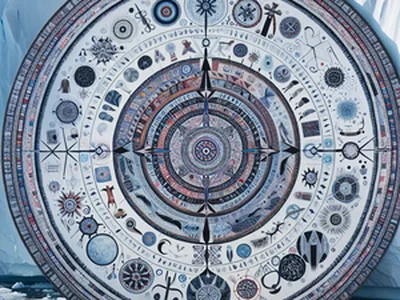
Cultural Artwork
Community Discussion
Further Reading
Explore credible external sources to deepen your understanding of New Caledonian culture.