

Mumuye
Northeastern Nigeria, primarily in Taraba State Mumuye
The Mumuye are an ethnic group primarily located in northeastern Nigeria, known for their unique artistic expressions and rich cultural heritage.
Historical Context
The Mumuye have a long history in the region, with their origins tracing back several centuries. They have maintained their cultural practices despite external influences.
Migration Patterns
Historically, the Mumuye have been relatively sedentary, with minimal migration outside their traditional lands.
Conflict And Resilience History
The Mumuye have faced challenges from colonial and post-colonial pressures but have shown resilience in preserving their cultural identity.
Diaspora Perspectives
There is limited diaspora, with most Mumuye people residing in their traditional homeland.
Regional Variations
There are slight variations in dialect and customs among different Mumuye clans.
Bridging Notes
Efforts to bridge cultural understanding focus on promoting Mumuye art and traditions globally.
Spiritual And Religious Practices
The Mumuye practice a traditional religion that involves ancestor worship and the veneration of natural spirits.
Beliefs And Worldview
Their worldview is deeply connected to nature and the spiritual realm, with a strong emphasis on community and kinship.
Cultural Proverbs Sayings
Proverbs often reflect the importance of community, wisdom, and respect for elders.
Naming Conventions And Terms Of Address
Names often reflect personal attributes or circumstances of birth, and respectful terms are used for elders and leaders.
Health And Mental Health
Traditional medicine plays a significant role, with herbal remedies and spiritual healing practices.
Mental Health Views
Mental health is often viewed through a spiritual lens, with traditional healers playing a key role in treatment.
Traditional Healers
Traditional healers, known as 'Baba', are respected figures who use herbs and spiritual guidance.
Gender Roles In Healthcare
Healthcare roles are traditionally gendered, with women often serving as midwives and caregivers.
Healthcare Barriers
Access to modern healthcare facilities is limited, with reliance on traditional practices.
Education And Learning Styles
Education is traditionally informal, focusing on oral transmission of knowledge and skills.
Learning Styles
Learning is experiential, with a strong emphasis on storytelling and practical skills.
Parental Engagement
Parents are actively involved in the education of their children, often teaching them cultural practices and values.
Family And Social Structure
The Mumuye society is organized into extended families and clans, with a strong emphasis on kinship ties.
Discipline And Behavior
Discipline is community-based, with elders playing a significant role in guiding behavior.
Authority Attitudes
Authority is respected, with elders and clan leaders holding significant influence.
Etiquette And Customs
Customs emphasize respect for elders, communal living, and participation in community rituals.
Community Strengths Resilience
The community is resilient, with strong social bonds and a deep connection to cultural traditions.
Art Music And Expression
The Mumuye are known for their wooden sculptures and masks, which are used in rituals and ceremonies.
Cultural Symbols Motifs
Common motifs include geometric patterns and representations of ancestors and spirits.
What Brings Joy
Community gatherings, music, dance, and storytelling are sources of joy.
Celebrations Joyful Traditions
Festivals and ceremonies celebrating harvests and life events are central to Mumuye culture.
Cultural Calendar And Holidays
The cultural calendar includes agricultural festivals and rites of passage.
Additional Notes
Artistic expression is a vital part of Mumuye identity, with art serving both aesthetic and spiritual purposes.
Economic Context And Occupations
The Mumuye primarily engage in agriculture, with farming being the main occupation.
Housing And Living Arrangements
Traditional housing is communal, with family compounds made of mud and thatch.
Nutrition And Dietary Norms
The diet is based on locally grown crops, with millet and sorghum being staples.
Interpretation Needs
Interpretation may be needed for interactions outside the community, especially in healthcare and legal settings.
Interpreter Notes
Interpreters should be familiar with cultural nuances and respectful of traditional practices.
Documentation Traditions
Traditionally, knowledge is passed orally, with limited written documentation.
Interactions With Other Cultures
The Mumuye interact with neighboring ethnic groups through trade and cultural exchanges.
Conflict Resolution Mechanisms
Conflicts are traditionally resolved through mediation by elders and community leaders.
Cultural Exchange Programs
There are initiatives to promote Mumuye art and culture through exhibitions and workshops.
Trade Relations
Trade is primarily local, involving agricultural products and crafts.
Shared Artistic Projects
Collaborations with other cultures often focus on artistic and cultural projects.
Intercultural Marriages
Intercultural marriages occur, though they are less common and often involve negotiation of cultural practices.
Shared Educational Initiatives
Educational initiatives focus on preserving language and cultural heritage.
Youth Perspectives
Youth are increasingly interested in balancing traditional practices with modern opportunities.
Education Initiatives
Efforts are being made to improve access to formal education while preserving cultural teachings.
Future Challenges
Challenges include economic opportunities and maintaining cultural identity in a globalized world.
Youth Employment Trends
Youth are seeking employment in both traditional agriculture and emerging sectors.
Future Visions
There is a vision for sustainable development that respects cultural heritage.
Youth Leadership Roles
Youth are taking on leadership roles in cultural preservation and community development.
Innovation And Startups
There is growing interest in entrepreneurship, particularly in agriculture and crafts.
Festivals And Celebrations
Festivals mark agricultural cycles and significant life events, featuring music and dance.
Traditional Medicine Practices
Herbal medicine and spiritual healing are integral to health practices.
Environmental Practices
Sustainable farming and respect for natural resources are emphasized.
Rituals
Rituals often involve offerings to ancestors and spirits, seeking blessings and protection.
Rites Of Passage
Rites of passage include ceremonies for birth, adulthood, and marriage.
Culinary Traditions
Culinary practices focus on local ingredients, with communal meals being common.
Climate Adaptation Strategies
Adaptation strategies include crop diversification and traditional water management techniques.
Biodiversity Conservation
There is a cultural emphasis on conserving biodiversity through traditional practices.
Sustainable Tourism Practices
Efforts are being made to promote tourism that respects cultural and environmental values.
Renewable Energy Use
Renewable energy use is limited but growing, with interest in solar power.
Community Involvement In Practices
Community involvement is key in environmental and cultural practices.
Environmental Education Programs
Programs aim to educate youth on sustainable practices and cultural heritage.
Notable Figures
Notable figures include traditional leaders and artists renowned for their contributions to Mumuye art.
Cultural Innovations
Innovations include unique artistic styles and techniques in sculpture and mask-making.
Literary Works
Literary traditions are primarily oral, with stories and proverbs passed down through generations.
Architectural Styles
Traditional architecture features round huts with thatched roofs, reflecting environmental adaptation.
Scientific Contributions
Contributions are mainly in traditional knowledge systems, particularly in agriculture and medicine.
Culinary Innovations
Culinary practices emphasize local ingredients and traditional cooking methods.
Global Influence
Mumuye art has gained international recognition, influencing global perceptions of African art.
Awards And Recognition
Recognition has come through exhibitions and academic studies highlighting Mumuye culture.
Modern Influences
Modern influences include increased access to education and technology.
Digital Presence
Digital presence is growing, with social media being used to share cultural content.
Globalization Effects
Globalization has brought both opportunities and challenges in preserving cultural identity.
Urbanization Effects
Urbanization is leading to changes in traditional lifestyles, with some migration to cities.
Technology Adoption
Technology adoption is increasing, particularly in communication and agriculture.
Hybrid Cultural Forms
Hybrid forms are emerging, blending traditional and modern elements in art and music.
Social Media Presence
Social media is used to connect with the diaspora and promote cultural heritage.
Challenges
Challenges include cultural erosion, economic pressures, and environmental changes.
Preservation Efforts
Efforts focus on documenting oral traditions and promoting cultural education.
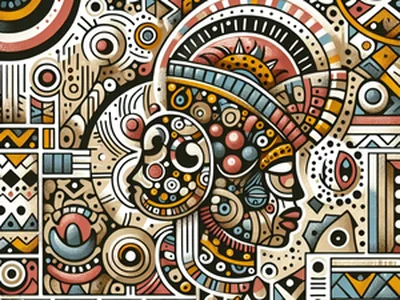
Cultural Artwork
Community Discussion
Further Reading
Explore credible external sources to deepen your understanding of Mumuye culture.