Malian
West Africa BambaraFrenchSoninke
The Malian culture is a rich and diverse blend of traditional and modern influences, shaped by the country's history as a crossroads of trade and cultural exchange.
Historical Context
Mali has a rich and complex history, with various empires rising and falling over the centuries. The Mali Empire was one of the most powerful in West Africa during the 13th to 16th centuries.
Migration Patterns
The Malian people have a long history of migration and trade, with influences from various regions including North Africa, Europe, and Asia.
Conflict And Resilience History
Mali has experienced periods of conflict and instability, particularly in the 20th century. However, the country has also shown remarkable resilience and adaptability in the face of these challenges.
Diaspora Perspectives
The Malian diaspora is significant, with many Malians living abroad and contributing to their communities through remittances, cultural exchange, and entrepreneurship.
Regional Variations
Mali has several regional variations, including the Sahelian region in the north and the savannah region in the south.
Spiritual And Religious Practices
Islam is the dominant religion in Mali, with a significant minority of Christians and animists. Traditional spiritual practices include ancestor worship and reverence for nature.
Beliefs And Worldview
Malian culture places great emphasis on community, family, and respect for elders. The concept of 'ubuntu' (humanity towards others) is central to Malian values.
Cultural Proverbs Sayings
Examples include: 'Sigi ka jeli' (The griot's song is the truth), 'Kora koro' (The kora is a symbol of wisdom).
Naming Conventions And Terms Of Address
In Malian culture, names often reflect family ties and social status. Terms of address include 'sir' or 'madam' for elders, and 'brother' or 'sister' for peers.
Health And Mental Health
Malian culture places a strong emphasis on traditional healing practices, including herbalism and spiritual rituals.
Mental Health Views
Mental health is often seen as a personal issue, with stigma surrounding mental illness. However, there is growing recognition of the importance of mental health support.
Traditional Healers
Traditional healers in Mali use a range of techniques, including herbalism, massage, and spiritual rituals.
Gender Roles In Healthcare
In Malian culture, women often play a central role in healthcare, particularly in rural areas. However, there is also a growing recognition of the importance of men's involvement in healthcare.
Healthcare Barriers
Barriers to healthcare access include lack of infrastructure, limited resources, and cultural attitudes towards Western medicine.
Education And Learning Styles
Malian culture places a strong emphasis on oral tradition and community-based learning. Formal education is also highly valued.
Learning Styles
Learning styles in Mali often involve hands-on experience, storytelling, and group work.
Parental Engagement
Parents are highly involved in their children's education, with a strong emphasis on family support and community involvement.
Family And Social Structure
Malian culture places great emphasis on family and social ties. Extended families often live together, and community is seen as essential to well-being.
Discipline And Behavior
Discipline in Malian culture is often based on respect for elders and tradition. Children are taught to obey authority figures and respect their peers.
Authority Attitudes
Authority attitudes in Mali often involve a mix of traditional and modern influences, with a strong emphasis on community involvement and participation.
Etiquette And Customs
Etiquette and customs in Malian culture include respect for elders, use of formal titles, and avoidance of public displays of affection.
Community Strengths Resilience
Malian communities are known for their resilience and adaptability in the face of challenges. Community support networks are often strong and effective.
Art Music And Expression
Malian culture is renowned for its vibrant music, dance, and art traditions. The kora (a stringed instrument) is a central part of Malian musical heritage.
Cultural Symbols Motifs
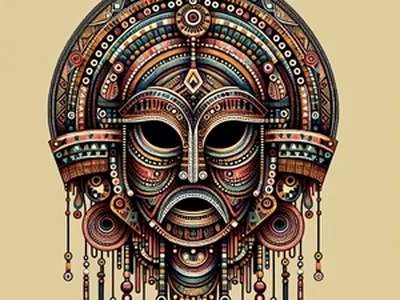
Examples include the Adinkra symbol (representing wisdom and knowledge), the Dogon mask (representing ancestral spirits).
What Brings Joy
Malian culture places great emphasis on community celebrations, music, and dance. Traditional festivals like the Festival in the Desert bring people together to celebrate Malian heritage.
Celebrations Joyful Traditions
Examples include the Eid al-Fitr (Islamic holiday), the Tabaski (Eid al-Kabir), and the Festival in the Desert.
Cultural Calendar And Holidays
Malian calendar includes Islamic holidays, traditional festivals, and community celebrations like the Festival in the Desert.
Economic Context And Occupations
The Malian economy is primarily based on agriculture, with a growing service sector. Occupations include farming, trading, and entrepreneurship.
Housing And Living Arrangements
Housing in Mali often involves traditional mud-brick homes or modern apartments in urban areas.
Nutrition And Dietary Norms
Malian cuisine is known for its rich flavors and spices, with a focus on staple foods like rice, millet, and sorghum.
Interpretation Needs
Interpretation needs may arise in situations involving official business, education, or healthcare.
Interpreter Notes
Interpreter services are available for Bambara, French, and Soninke languages.
Documentation Traditions
Documentation traditions in Mali often involve written records of oral histories, genealogies, and traditional knowledge.
Interactions With Other Cultures
Malian culture has a long history of interactions with other cultures, particularly in the context of trade and colonialism.
Conflict Resolution Mechanisms
Conflict resolution mechanisms in Mali often involve traditional mediation and community-based dispute resolution.
Cultural Exchange Programs
Cultural exchange programs between Mali and other countries are becoming increasingly popular, promoting cross-cultural understanding and collaboration.
Trade Relations
Mali has trade relations with various countries, including France, the United States, and China.
Shared Artistic Projects
Examples include the Festival in the Desert, which brings together musicians from around the world to celebrate Malian culture.
Intercultural Marriages
Intercultural marriages between Malians and people from other cultures are becoming more common, promoting cross-cultural understanding and exchange.
Shared Educational Initiatives
Examples include joint educational programs between Mali and other countries, focusing on topics like language, culture, and development.
Youth Perspectives
Youth in Mali are increasingly involved in education, entrepreneurship, and community development.
Education Initiatives
Examples include the Malian government's efforts to increase access to education, particularly for girls and women.
Future Challenges
Challenges facing Mali include climate change, poverty, and conflict. However, there is also a growing recognition of the importance of innovation, entrepreneurship, and community development.
Youth Employment Trends
Youth employment trends in Mali are shifting towards more formalized sectors like education, healthcare, and technology.
Future Visions
Future visions for Mali include sustainable development, economic growth, and improved living standards.
Youth Leadership Roles
Youth leadership roles in Mali are becoming increasingly important, with a focus on community development, entrepreneurship, and innovation.
Innovation And Startups
Innovation and startups in Mali are growing rapidly, particularly in the areas of technology, agriculture, and renewable energy.
Festivals And Celebrations
Examples include the Festival in the Desert, the Eid al-Fitr, and the Tabaski.
Traditional Medicine Practices
Traditional medicine practices in Mali often involve herbalism, massage, and spiritual rituals.
Environmental Practices
Environmental practices in Mali are shifting towards more sustainable approaches, including renewable energy, reforestation, and conservation.
Rituals
Examples include the initiation rites for young men, which involve traditional music, dance, and storytelling.
Rites Of Passage
Rites of passage in Malian culture often involve community-based celebrations and rituals marking important life events like birth, marriage, and death.
Culinary Traditions
Malian cuisine is known for its rich flavors and spices, with a focus on staple foods like rice, millet, and sorghum.
Climate Adaptation Strategies
Climate adaptation strategies in Mali often involve traditional knowledge and practices, such as crop rotation, irrigation, and conservation.
Biodiversity Conservation
Biodiversity conservation efforts in Mali are becoming increasingly important, with a focus on protecting endangered species and ecosystems.
Sustainable Tourism Practices
Sustainable tourism practices in Mali often involve community-based tourism initiatives, promoting cultural exchange and economic development.
Renewable Energy Use
Renewable energy use in Mali is growing rapidly, particularly in the areas of solar power, wind energy, and hydroelectricity.
Community Involvement In Practices
Community involvement in environmental practices is becoming increasingly important in Mali, with a focus on community-based conservation and sustainable development.
Notable Figures
Examples include the legendary griot (musician-poet) Amadou Ba, the Malian president Modibo Keita.
Cultural Innovations
Cultural innovations in Mali often involve traditional music, dance, and art forms, as well as modern adaptations like fusion music and contemporary art.
Literary Works
Examples include the works of Malian writers like Amadou Hampâté Bâ, Aïcha Faye.
Architectural Styles
Architectural styles in Mali often reflect traditional mud-brick construction, as well as modern adaptations like concrete and steel.
Scientific Contributions
Scientific contributions from Mali include research on topics like climate change, renewable energy, and sustainable development.
Culinary Innovations
Culinary innovations in Mali often involve fusion cuisine, blending traditional flavors with international influences.
Global Influence
Malian culture has a significant global influence, particularly in the areas of music, dance, and art.
Awards And Recognition
Examples include the Malian government's recognition of outstanding cultural contributions, as well as international awards for innovation and entrepreneurship.
Modern Influences
Modern influences on Malian culture often involve globalization, urbanization, and technological advancements.
Digital Presence
Digital presence in Mali is growing rapidly, particularly in the areas of social media, e-commerce, and online education.
Globalization Effects
Globalization effects in Mali often involve cultural exchange, trade, and economic development.
Urbanization Effects
Urbanization effects in Mali often involve changes to traditional ways of life, as well as increased access to modern amenities like healthcare and education.
Technology Adoption
Technology adoption in Mali is becoming increasingly important, particularly in the areas of renewable energy, agriculture, and healthcare.
Hybrid Cultural Forms
Hybrid cultural forms in Mali often involve blending traditional music, dance, and art with international influences.
Social Media Presence
Social media presence in Mali is growing rapidly, particularly among youth and entrepreneurs.
Challenges
Challenges facing Malian culture include climate change, poverty, conflict. However, there is also a growing recognition of the importance of innovation, entrepreneurship, and community development.
Preservation Efforts
Preservation efforts in Mali often involve community-based initiatives to protect traditional knowledge, cultural heritage, and environmental practices.
Community Discussion
Further Reading
Explore credible external sources to deepen your understanding of Malian culture.