
Madagascar
Africa, Indian Ocean MalagasyFrench
The culture of Madagascar is a unique blend of African, Asian, and European influences.
Historical Context
Madagascar has a complex history of colonization and migration, with influences from Africa, Asia, and Europe.
Migration Patterns
The island was first inhabited by Austronesian-speaking peoples who migrated from Borneo around 350 BCE.
Conflict And Resilience History
Madagascar has experienced periods of conflict and resilience throughout its history, including the Malagasy Uprising against French colonial rule in 1947.
Diaspora Perspectives
The Malagasy diaspora is a significant aspect of Madagascar's cultural identity, with many Malagasy people living abroad and maintaining strong ties to their homeland.
Regional Variations
Regional variations in culture and language are significant in Madagascar, with different regions having distinct customs and traditions.
Spiritual And Religious Practices
The majority of Malagasy people practice a syncretic form of Christianity that blends elements of Catholicism, Protestantism, and traditional animist beliefs.
Beliefs And Worldview
Malagasy culture is deeply rooted in ancestor worship and the concept of 'fady' (taboos) that govern social behavior and relationships with nature.
Cultural Proverbs Sayings
Proverbs such as 'Fidy aman-dreny, fahafahana an-tany' ('Respect for elders is respect for the land') reflect the importance of intergenerational relationships and environmental stewardship in Malagasy culture.
Naming Conventions And Terms Of Address
In Malagasy culture, names are often given based on ancestral or spiritual significance, with terms of address reflecting social hierarchy and age.
Health And Mental Health
Mental health is a significant concern in Madagascar, with high rates of depression and anxiety among the population.
Mental Health Views
Traditional healers play an important role in addressing mental health issues, using techniques such as 'fomba' (spiritual healing) to restore balance and well-being.
Traditional Healers
Traditional healers are highly respected in Malagasy culture, with many communities relying on their expertise for physical and spiritual care.
Gender Roles In Healthcare
Women play a significant role in healthcare in Madagascar, often serving as caregivers and community health workers.
Healthcare Barriers
Barriers to healthcare access include limited resources, geographical isolation, and cultural beliefs that may lead individuals to seek traditional rather than modern medical care.
Education And Learning Styles
Malagasy education emphasizes hands-on learning and practical skills, with a focus on community-based initiatives and vocational training.
Learning Styles
Learning styles in Madagascar often prioritize oral tradition and storytelling, with an emphasis on memorization and repetition.
Parental Engagement
Parental engagement is highly valued in Malagasy culture, with parents often participating actively in their children's education.
Family And Social Structure
The extended family is a central unit of social organization in Madagascar, with close ties between generations and community members.
Discipline And Behavior
Discipline and behavior are governed by strict social norms and expectations, particularly for young people.
Authority Attitudes
Authority figures such as elders and traditional leaders are highly respected in Malagasy culture, with a strong emphasis on obedience and respect.
Etiquette And Customs
Etiquette and customs in Madagascar emphasize hospitality, generosity, and respect for others, particularly the elderly and those in positions of authority.
Community Strengths Resilience
Community strengths include strong social bonds, cooperative spirit, and a deep connection to nature and tradition.
Art Music And Expression
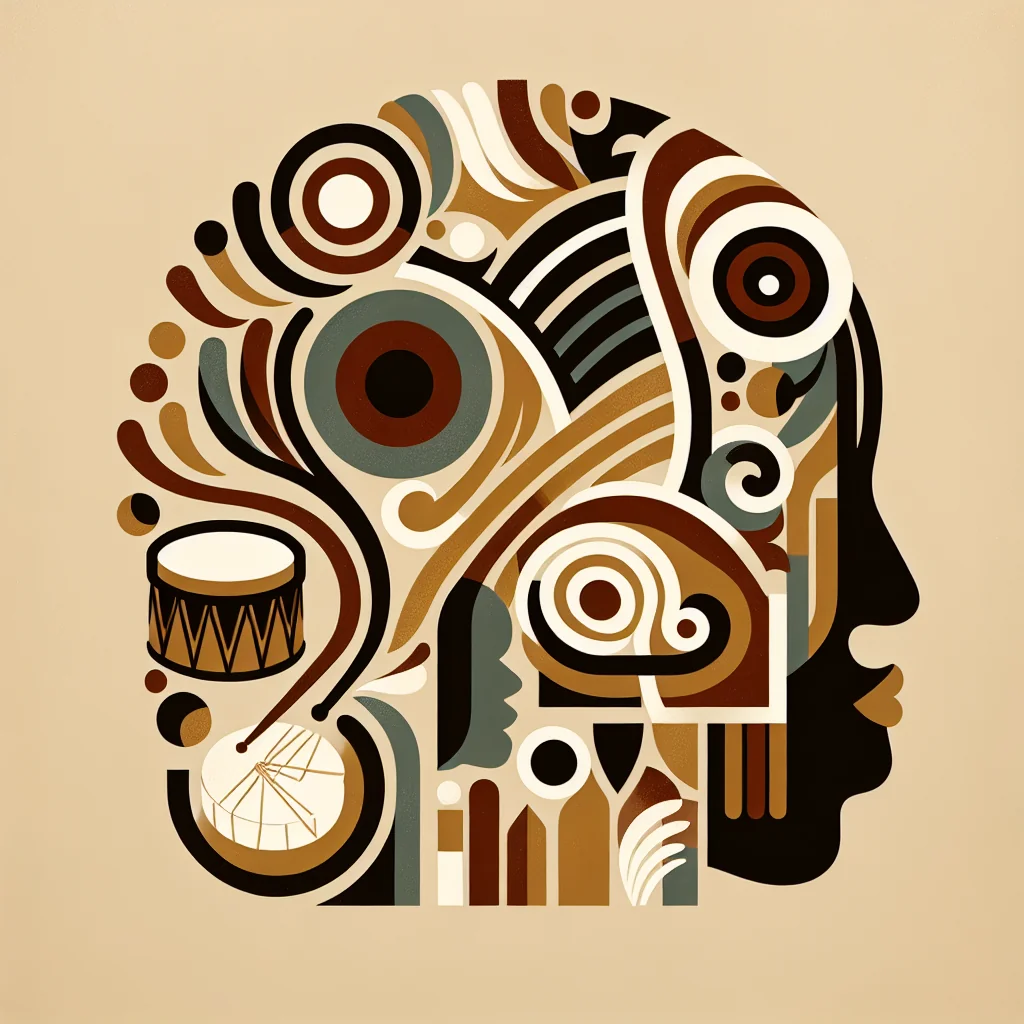
Malagasy art and music are characterized by vibrant colors, intricate patterns, and lively rhythms that reflect the country's rich cultural heritage.
Cultural Symbols Motifs
Cultural symbols such as the 'fady' (taboos) and 'tromba' (drums) hold significant meaning in Malagasy culture, representing spiritual and ancestral connections.
What Brings Joy
Joy is often associated with community celebrations, music, dance, and storytelling, which bring people together and foster a sense of connection and belonging.
Celebrations Joyful Traditions
Celebrations such as the 'Famadihana' (Turning of the Bones) festival honor ancestors and mark important life events, while joyful traditions like 'Kabosy' music and dance bring communities together.
Cultural Calendar And Holidays
The Malagasy calendar is rich in cultural significance, with holidays and celebrations marking important events such as harvests, births, and deaths.
Economic Context And Occupations
Economic activities in Madagascar include agriculture, fishing, and tourism, with many people engaged in small-scale entrepreneurship and informal trade.
Housing And Living Arrangements
Housing in Madagascar varies from traditional thatched huts to modern urban apartments, reflecting the country's diverse cultural and economic contexts.
Nutrition And Dietary Norms
Traditional Malagasy cuisine emphasizes locally sourced ingredients such as rice, fish, and vegetables, with a focus on community-based food systems and sustainable agriculture.
Interpretation Needs
Interpretation services are often required for communication between Malagasy speakers and those who speak other languages.
Interpreter Notes
Interpreter notes highlight the importance of cultural sensitivity and linguistic accuracy in facilitating effective communication across language barriers.
Documentation Traditions
Documentation traditions in Madagascar emphasize oral storytelling, with written records often secondary to verbal accounts.
Interactions With Other Cultures
Malagasy people have interacted with various cultures throughout their history, including African, Asian, and European influences.
Conflict Resolution Mechanisms
Traditional conflict resolution mechanisms in Madagascar emphasize mediation, negotiation, and reconciliation.
Cultural Exchange Programs
Cultural exchange programs between Madagascar and other countries aim to promote mutual understanding and respect for cultural differences.
Trade Relations
Trade relations with neighboring countries are significant for Madagascar's economy, with a focus on agriculture, fishing, and tourism.
Shared Artistic Projects
Shared artistic projects between Malagasy artists and those from other cultures reflect the country's rich cultural heritage and its connections to global art movements.
Intercultural Marriages
Intercultural marriages are common in Madagascar, reflecting the country's history of migration and cultural exchange.
Shared Educational Initiatives
Shared educational initiatives between Madagascar and other countries aim to promote mutual understanding and respect for cultural differences.
Youth Perspectives
Youth in Madagascar face significant challenges, including limited access to education and economic opportunities.
Education Initiatives
Education initiatives in Madagascar focus on community-based programs and vocational training to address the needs of young people.
Future Challenges
Future challenges for Madagascar include climate change, poverty, and social inequality.
Youth Employment Trends
Youth employment trends in Madagascar are characterized by a growing informal sector and limited access to formal job opportunities.
Future Visions
Future visions for Madagascar emphasize sustainable development, environmental conservation, and cultural preservation.
Youth Leadership Roles
Youth leadership roles in Madagascar are increasingly important, with young people taking on responsibilities in community development and social activism.
Innovation And Startups
Innovation and startups in Madagascar focus on addressing local challenges such as energy access, water management, and agricultural productivity.
Festivals And Celebrations
Festivals and celebrations in Madagascar honor important life events, ancestors, and the natural environment.
Traditional Medicine Practices
Traditional medicine practices in Madagascar emphasize spiritual healing and community-based care.
Environmental Practices
Environmental practices in Madagascar prioritize sustainable agriculture, reforestation, and conservation efforts.
Rituals
Rituals in Malagasy culture often involve offerings to ancestors and the natural environment, reflecting a deep connection to nature and tradition.
Rites Of Passage
Rites of passage in Madagascar mark important life events such as birth, initiation, and death, with a focus on community participation and spiritual guidance.
Culinary Traditions
Culinary traditions in Madagascar emphasize locally sourced ingredients, community-based food systems, and sustainable agriculture.
Climate Adaptation Strategies
Climate adaptation strategies in Madagascar prioritize reforestation, conservation efforts, and sustainable land use practices.
Biodiversity Conservation
Biodiversity conservation efforts in Madagascar focus on protecting unique ecosystems such as the Tsingy de Bemaraha National Park.
Sustainable Tourism Practices
Sustainable tourism practices in Madagascar emphasize community-based initiatives, eco-tourism, and cultural preservation.
Renewable Energy Use
Renewable energy use in Madagascar is increasing, with a focus on solar power, wind energy, and hydroelectricity.
Community Involvement In Practices
Community involvement in environmental practices is highly valued in Malagasy culture, with a focus on collective action and community-based initiatives.
Notable Figures
Notable figures from Madagascar include politicians such as Didier Ratsiraka and artists like Rakoto Frah.
Cultural Innovations
Cultural innovations in Madagascar reflect the country's unique blend of African, Asian, and European influences, with a focus on music, dance, and visual arts.
Literary Works
Literary works from Madagascar include poetry, novels, and short stories that explore themes such as identity, culture, and social justice.
Architectural Styles
Architectural styles in Madagascar reflect the country's diverse cultural influences, with a focus on traditional thatched huts and modern urban buildings.
Scientific Contributions
Scientific contributions from Madagascar include research on unique ecosystems such as the Tsingy de Bemaraha National Park and the development of sustainable agriculture practices.
Culinary Innovations
Culinary innovations in Madagascar reflect the country's rich cultural heritage, with a focus on locally sourced ingredients and community-based food systems.
Global Influence
Madagascar has a significant global influence through its unique culture, music, and art, which have inspired artists and musicians worldwide.
Awards And Recognition
Awards and recognition for Madagascar include the UNESCO World Heritage designation for sites such as the Tsingy de Bemaraha National Park.
Modern Influences
Modern influences in Madagascar include urbanization, globalization, and technological advancements, which have transformed the country's economy, culture, and society.
Digital Presence
Madagascar has a growing digital presence, with increasing access to internet services and mobile phone coverage.
Globalization Effects
Globalization effects in Madagascar include increased trade relations, cultural exchange programs, and the spread of global ideas and values.
Urbanization Effects
Urbanization effects in Madagascar include rapid population growth, increased poverty rates, and environmental degradation.
Technology Adoption
Technology adoption in Madagascar is growing, with a focus on digital literacy, e-government services, and online education initiatives.
Hybrid Cultural Forms
Hybrid cultural forms in Madagascar reflect the country's unique blend of African, Asian, and European influences, with a focus on music, dance, and visual arts.
Social Media Presence
Social media presence in Madagascar is increasing, with many young people using platforms such as Facebook and Instagram to connect with others and share their experiences.
Challenges
Challenges facing Malagasy culture include climate change, poverty, social inequality, and cultural preservation efforts.
Preservation Efforts
Preservation efforts for Malagasy culture focus on protecting unique ecosystems, promoting sustainable development, and preserving traditional practices and knowledge.
Cultural Artwork
Community Discussion
Further Reading
Explore credible external sources to deepen your understanding of Madagascar culture.