

Maasai
East Africa, primarily in Kenya and Tanzania MaaSwahiliEnglish
The Maasai are a Nilotic ethnic group inhabiting northern, central, and southern Kenya and northern Tanzania, known for their distinctive customs, dress, and residence near the many game parks of the African Great Lakes.
Historical Context
The Maasai migrated southward from the Nile Valley around the 15th century, settling in the Great Rift Valley region.
Migration Patterns
Historically semi-nomadic, the Maasai have adapted to changing environmental and political landscapes, often moving in search of grazing lands.
Conflict And Resilience History
The Maasai have faced challenges from colonial land appropriation and modern land use policies but have shown resilience through cultural preservation and adaptation.
Diaspora Perspectives
Maasai communities abroad maintain cultural ties through diaspora networks, cultural events, and advocacy for indigenous rights.
Regional Variations
While sharing a common cultural core, Maasai communities exhibit variations in dialects and customs depending on their specific geographic locations.
Bridging Notes
Efforts to bridge traditional Maasai practices with modern development include education initiatives and sustainable tourism.
Spiritual And Religious Practices
The Maasai practice a monotheistic religion centered around the deity Enkai (or Engai), with rituals and ceremonies led by spiritual leaders known as Laibons.
Beliefs And Worldview
Cattle are central to Maasai life, symbolizing wealth, status, and sustenance. The Maasai worldview emphasizes harmony with nature and community cohesion.
Cultural Proverbs Sayings
Common sayings reflect values of bravery, community, and respect for nature, such as 'A Maasai warrior is a lion.'
Naming Conventions And Terms Of Address
Names often reflect circumstances of birth or familial lineage, with respectful terms used for elders and leaders.
Health And Mental Health
Traditional health practices coexist with modern medicine, with a focus on herbal remedies and community-based care.
Mental Health Views
Mental health is often approached through community support and traditional healing practices.
Traditional Healers
Traditional healers, known as 'Laibon,' play a crucial role in health and spiritual matters.
Gender Roles In Healthcare
Women are primary caregivers, while men often make decisions regarding healthcare access.
Healthcare Barriers
Barriers include limited access to modern healthcare facilities and cultural preferences for traditional medicine.
Education And Learning Styles
Education is increasingly valued, with efforts to balance traditional knowledge with formal schooling.
Learning Styles
Learning is often experiential, with knowledge passed down orally through stories and practical demonstrations.
Parental Engagement
Parents are actively involved in their children's education, emphasizing cultural teachings alongside formal education.
Family And Social Structure
The Maasai social structure is organized around age-sets and clans, with strong kinship ties and communal living.
Discipline And Behavior
Discipline is community-oriented, with elders playing a key role in guiding behavior and resolving conflicts.
Authority Attitudes
Elders and community leaders hold significant authority, with decisions often made through consensus.
Etiquette And Customs
Respect for elders and adherence to traditional customs are central to Maasai etiquette.
Community Strengths Resilience
Community resilience is bolstered by strong social networks, cultural pride, and adaptability to change.
Art Music And Expression
Maasai art includes beadwork, jewelry, and body adornment, while music and dance are integral to ceremonies and celebrations.
Cultural Symbols Motifs
Beadwork patterns and colors convey social status and cultural identity, with specific motifs representing various life stages.
What Brings Joy
Community gatherings, storytelling, and traditional dances are sources of joy and cultural expression.
Celebrations Joyful Traditions
Ceremonies such as Eunoto (warrior graduation) and Enkipaata (initiation) are celebrated with music, dance, and feasting.
Cultural Calendar And Holidays
The Maasai calendar is marked by seasonal events and life-cycle ceremonies, with specific times for planting, grazing, and rituals.
Additional Notes
The Maasai's vibrant cultural expressions are a testament to their rich heritage and adaptability.
Economic Context And Occupations
The Maasai economy is traditionally based on pastoralism, with cattle herding as the primary occupation, supplemented by agriculture and tourism.
Housing And Living Arrangements
Traditional Maasai homes, known as 'enkangs,' are circular structures made of mud, sticks, and cow dung, reflecting their semi-nomadic lifestyle.
Nutrition And Dietary Norms
The Maasai diet primarily consists of meat, milk, and blood, with increasing incorporation of grains and vegetables.
Interpretation Needs
Interpretation services may be required for Maa speakers in healthcare and legal settings.
Interpreter Notes
Interpreters should be culturally sensitive and aware of Maasai customs and communication styles.
Documentation Traditions
Oral traditions are paramount, with stories, songs, and proverbs used to transmit knowledge and history.
Interactions With Other Cultures
The Maasai engage in cultural exchanges through tourism and regional collaborations, maintaining distinct cultural identities while interacting with neighboring communities.
Conflict Resolution Mechanisms
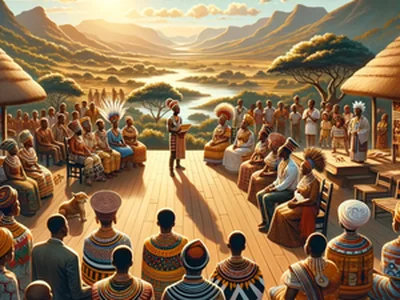
Conflicts are traditionally resolved through community discussions led by elders, emphasizing reconciliation and consensus.
Cultural Exchange Programs
Cultural exchange programs focus on sharing Maasai traditions and fostering mutual understanding with other cultures.
Trade Relations
Trade with neighboring communities includes livestock, crafts, and agricultural products.
Shared Artistic Projects
Collaborative art projects often highlight Maasai beadwork and traditional crafts, promoting cultural heritage.
Intercultural Marriages
Intercultural marriages occur, with efforts to respect and integrate diverse cultural practices.
Shared Educational Initiatives
Educational initiatives often involve partnerships with NGOs to support Maasai education and cultural preservation.
Youth Perspectives
Maasai youth are increasingly advocating for education and cultural preservation, balancing modern influences with traditional values.
Education Initiatives
Programs focus on increasing access to education, particularly for girls, while incorporating Maasai cultural teachings.
Future Challenges
Challenges include land rights issues, climate change impacts, and balancing modernization with cultural preservation.
Youth Employment Trends
Youth employment is diversifying, with opportunities in tourism, entrepreneurship, and education.
Future Visions
The Maasai envision a future where cultural heritage is preserved alongside sustainable development and economic opportunities.
Youth Leadership Roles
Youth are taking on leadership roles in community development and advocacy for indigenous rights.
Innovation And Startups
Innovative projects include eco-tourism ventures and cultural enterprises that promote Maasai heritage.
Festivals And Celebrations
Festivals such as the Olng'esherr (meat-eating ceremony) are key cultural events, celebrating community milestones and rites of passage.
Traditional Medicine Practices
Herbal medicine and spiritual healing are integral to Maasai health practices, with knowledge passed down through generations.
Environmental Practices
The Maasai practice sustainable grazing and land management, emphasizing harmony with the environment.
Rituals
Rituals mark significant life events, including birth, initiation, marriage, and death, with specific ceremonies for each stage.
Rites Of Passage
Rites such as circumcision and warrior initiation are crucial for transitioning between life stages, reinforcing cultural identity.
Culinary Traditions
Culinary practices highlight the use of local ingredients, with traditional dishes like 'nyama choma' (grilled meat) being popular.
Climate Adaptation Strategies
Adaptation strategies include rotational grazing and water conservation to mitigate climate change impacts.
Biodiversity Conservation
The Maasai are involved in conservation efforts, recognizing the importance of biodiversity for their pastoral lifestyle.
Sustainable Tourism Practices
Community-based tourism initiatives promote cultural heritage while ensuring environmental sustainability.
Renewable Energy Use
Efforts are underway to incorporate renewable energy sources, such as solar power, into Maasai communities.
Community Involvement In Practices
Community involvement is central to environmental and cultural practices, ensuring collective responsibility and participation.
Environmental Education Programs
Programs aim to educate Maasai youth on environmental stewardship and sustainable practices.
Notable Figures
Notable Maasai figures include environmentalist and activist Ole Ntutu and cultural ambassador Joseph Ole Lenku.
Cultural Innovations
Innovations include Maasai-inspired fashion and jewelry, which have gained international recognition.
Literary Works
Maasai oral literature, including folktales and proverbs, is a rich source of cultural knowledge and storytelling.
Architectural Styles
Traditional Maasai architecture, characterized by circular huts, reflects their adaptability to the environment.
Scientific Contributions
Maasai knowledge of herbal medicine contributes to ethnobotanical studies and natural health practices.
Culinary Innovations
Culinary innovations include the fusion of traditional Maasai dishes with modern cuisine, promoting cultural gastronomy.
Global Influence
The Maasai have influenced global perceptions of African culture through their distinctive dress, music, and art.
Awards And Recognition
Maasai cultural initiatives have received recognition for their contributions to cultural preservation and sustainable development.
Modern Influences
Modern influences include increased access to education, technology, and global cultural exchanges.
Digital Presence
The Maasai have a growing digital presence, using social media to share cultural stories and advocate for indigenous rights.
Globalization Effects
Globalization has brought both opportunities and challenges, influencing Maasai lifestyles and cultural practices.
Urbanization Effects
Urbanization has led to shifts in traditional living patterns, with some Maasai moving to urban areas for education and employment.
Technology Adoption
Technology adoption includes mobile phones and internet access, facilitating communication and information sharing.
Hybrid Cultural Forms
Hybrid cultural forms emerge as Maasai integrate traditional and modern elements in art, fashion, and music.
Social Media Presence
Social media platforms are used to promote Maasai culture, connect with the diaspora, and engage in cultural advocacy.
Challenges
Challenges include land rights disputes, cultural erosion, and the impacts of climate change on traditional livelihoods.
Preservation Efforts
Preservation efforts focus on cultural education, documentation of oral traditions, and advocacy for indigenous rights.
Cultural Artwork
Community Discussion
Further Reading
Explore credible external sources to deepen your understanding of Maasai culture.