

Luso Africans
Sub-Saharan Africa, primarily in former Portuguese colonies. PortugueseCrioulolocal African languages
Luso-Africans are communities in Africa with cultural and historical ties to Portugal, resulting from centuries of Portuguese colonial influence.
Historical Context
The Luso-African culture developed during the Portuguese colonial period, which began in the 15th century and lasted until the mid-20th century. This period was marked by trade, missionary activities, and cultural exchanges.
Migration Patterns
Migration patterns include the movement of Portuguese settlers to African colonies and the subsequent movement of Luso-Africans to Portugal and other parts of the world after decolonization.
Conflict And Resilience History
Luso-Africans have experienced conflicts related to colonial rule, independence movements, and post-colonial governance, showing resilience through cultural adaptation and preservation.
Diaspora Perspectives
The Luso-African diaspora maintains cultural ties through language, music, and family connections, contributing to multicultural societies in Europe and the Americas.
Regional Variations
There are significant cultural variations among Luso-Africans in different countries, influenced by local African cultures and historical experiences.
Bridging Notes
Luso-Africans serve as cultural bridges between African and Portuguese societies, facilitating understanding and exchange.
Spiritual And Religious Practices
Luso-Africans often practice a blend of Christianity, particularly Catholicism, and traditional African religions.
Beliefs And Worldview
Their worldview is shaped by a mix of African traditions and Portuguese influences, emphasizing community, family, and spirituality.
Cultural Proverbs Sayings
Proverbs often reflect themes of unity, resilience, and the importance of heritage.
Naming Conventions And Terms Of Address
Naming conventions may include Portuguese names alongside traditional African names, with terms of address reflecting respect for elders and community leaders.
Health And Mental Health
Health practices include a combination of modern medicine and traditional healing methods.
Mental Health Views
Mental health is often approached with a focus on community support and traditional beliefs about well-being.
Traditional Healers
Traditional healers play a significant role in providing health care, particularly in rural areas.
Gender Roles In Healthcare
Gender roles in healthcare can vary, with women often taking on caregiving roles within families.
Healthcare Barriers
Barriers include limited access to modern healthcare facilities and economic constraints.
Education And Learning Styles
Education systems in Luso-African communities often reflect Portuguese influences, with an emphasis on formal education.
Learning Styles
Learning styles may incorporate oral traditions and storytelling alongside formal education methods.
Parental Engagement
Parents are typically involved in their children's education, valuing both academic success and cultural knowledge.
Family And Social Structure
Family structures are often extended, with strong kinship ties and community support networks.
Discipline And Behavior
Discipline is typically community-oriented, with an emphasis on respect and responsibility.
Authority Attitudes
There is a respect for authority figures, including elders and community leaders.
Etiquette And Customs
Customs include greetings that reflect respect and hospitality, as well as communal gatherings.
Community Strengths Resilience
Community strengths include adaptability, cultural pride, and resilience in the face of historical challenges.
Art Music And Expression
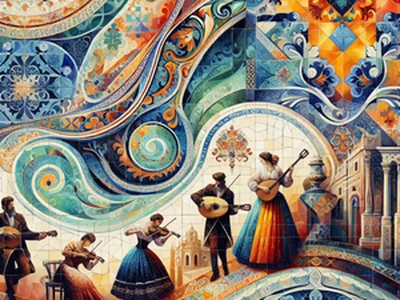
Luso-African art and music blend African rhythms and Portuguese melodies, with popular genres including fado and morna.
Cultural Symbols Motifs
Symbols often include elements from both African and Portuguese heritage, such as traditional patterns and Catholic iconography.
What Brings Joy
Music, dance, and communal celebrations are central to expressions of joy.
Celebrations Joyful Traditions
Festivals often celebrate both African traditions and Portuguese holidays, such as Carnival.
Cultural Calendar And Holidays
Key holidays include Independence Day celebrations and religious festivals like Easter and Christmas.
Additional Notes
Luso-African culture is dynamic, reflecting ongoing interactions between African and Portuguese influences.
Economic Context And Occupations
Economic activities include agriculture, trade, and increasingly, service industries and entrepreneurship.
Housing And Living Arrangements
Housing varies from urban apartments to rural compounds, often reflecting economic status.
Nutrition And Dietary Norms
Dietary practices combine African staples with Portuguese culinary influences, such as seafood and stews.
Interpretation Needs
Interpretation may be needed for Portuguese and local languages in official settings.
Interpreter Notes
Interpreters should be aware of cultural nuances and the importance of both verbal and non-verbal communication.
Documentation Traditions
Documentation often includes oral histories and written records in Portuguese.
Interactions With Other Cultures
Luso-Africans interact with various cultures through trade, migration, and cultural exchanges.
Conflict Resolution Mechanisms
Conflict resolution often involves community dialogue and traditional mediation practices.
Cultural Exchange Programs
Programs may include educational exchanges and cultural festivals promoting mutual understanding.
Trade Relations
Trade relations are historically significant, with a focus on commodities like coffee and oil.
Shared Artistic Projects
Collaborative artistic projects often explore themes of identity and heritage.
Intercultural Marriages
Intercultural marriages are common, reflecting the blending of African and Portuguese cultures.
Shared Educational Initiatives
Educational initiatives often focus on language learning and cultural preservation.
Youth Perspectives
Youth are increasingly focused on education and employment opportunities, balancing tradition with modernity.
Education Initiatives
Initiatives aim to improve access to education and promote bilingualism.
Future Challenges
Challenges include economic development, political stability, and cultural preservation.
Youth Employment Trends
Trends show a shift towards service industries and technology sectors.
Future Visions
Future visions include greater integration into global economies and cultural recognition.
Youth Leadership Roles
Youth are taking on leadership roles in community development and cultural advocacy.
Innovation And Startups
There is a growing trend of innovation and startups, particularly in urban areas.
Festivals And Celebrations
Festivals often celebrate cultural heritage and historical events, with music and dance playing central roles.
Traditional Medicine Practices
Traditional medicine is widely practiced, often alongside modern healthcare.
Environmental Practices
Environmental practices include sustainable agriculture and conservation efforts.
Rituals
Rituals often involve community participation and are tied to life events and agricultural cycles.
Rites Of Passage
Rites of passage mark significant life transitions, such as coming of age and marriage.
Culinary Traditions
Culinary traditions reflect a fusion of African and Portuguese flavors, with dishes like cachupa and feijoada.
Climate Adaptation Strategies
Communities are adopting strategies to adapt to climate change, focusing on resilience and sustainability.
Biodiversity Conservation
Conservation efforts aim to protect local biodiversity and promote eco-friendly practices.
Sustainable Tourism Practices
Sustainable tourism is promoted to preserve cultural heritage and natural resources.
Renewable Energy Use
There is an increasing use of renewable energy sources, such as solar and wind power.
Community Involvement In Practices
Community involvement is crucial in environmental and cultural practices, ensuring local engagement and ownership.
Environmental Education Programs
Programs focus on educating communities about environmental conservation and sustainable practices.
Notable Figures
Notable figures include writers like Mia Couto and musicians like Cesária Évora.
Cultural Innovations
Innovations include the blending of musical genres and the development of unique art forms.
Literary Works
Literary works often explore themes of identity, colonial history, and cultural hybridity.
Architectural Styles
Architecture reflects a mix of Portuguese colonial styles and African influences.
Scientific Contributions
Contributions include advancements in agriculture and environmental science.
Culinary Innovations
Culinary innovations involve the fusion of traditional ingredients with modern techniques.
Global Influence
Luso-African culture has a global influence, particularly in music and literature.
Awards And Recognition
Luso-African artists and writers have received international recognition and awards.
Modern Influences
Modern influences include globalization, digital media, and urbanization.
Digital Presence
There is a growing digital presence, with active participation in social media and online platforms.
Globalization Effects
Globalization has led to increased cultural exchange and economic opportunities.
Urbanization Effects
Urbanization is transforming traditional lifestyles, with more people moving to cities.
Technology Adoption
Technology adoption is increasing, with a focus on mobile and internet technologies.
Hybrid Cultural Forms
Hybrid cultural forms are emerging, blending traditional and contemporary elements.
Social Media Presence
Social media is used to connect with the diaspora and promote cultural heritage.
Challenges
Challenges include cultural preservation, economic disparities, and political instability.
Preservation Efforts
Efforts are underway to preserve cultural heritage through education and community initiatives.
Cultural Artwork
Community Discussion
Further Reading
Explore credible external sources to deepen your understanding of Luso Africans culture.