
Liberian
West Africa EnglishKpelleBassaKru
Liberian culture is a rich tapestry of indigenous traditions and influences from the Americo-Liberian settlers, characterized by diverse ethnic groups, languages, and customs.
Historical Context
Liberia was founded in the early 19th century by freed African American slaves, known as Americo-Liberians, who established a society that combined African and Western elements.
Migration Patterns
The migration of freed slaves from the United States to Liberia in the 1800s significantly influenced the cultural landscape, creating a blend of African and Western traditions.
Conflict And Resilience History
Liberia has experienced civil conflicts, notably from 1989 to 2003, which have impacted its social fabric. However, the country has shown resilience through peacebuilding and reconciliation efforts.
Diaspora Perspectives
The Liberian diaspora, particularly in the United States, maintains strong cultural ties to their homeland and contributes to its development through remittances and cultural exchanges.
Regional Variations
Cultural practices vary across Liberia's regions, with distinct traditions among the various ethnic groups such as the Kpelle, Bassa, and Kru.
Bridging Notes
Efforts to bridge cultural differences focus on promoting unity and understanding among Liberia's diverse ethnic groups.
Spiritual And Religious Practices
Liberian society is predominantly Christian, with a significant Muslim minority. Traditional African religions also play a role, with practices involving ancestral worship and rituals.
Beliefs And Worldview
Liberians value community, family, and respect for elders. There is a strong belief in the interconnectedness of life and the importance of maintaining harmony with nature.
Cultural Proverbs Sayings
Proverbs are an integral part of Liberian communication, often used to convey wisdom and cultural values. For example, 'A single bracelet does not jingle' emphasizes the importance of community.
Naming Conventions And Terms Of Address
Naming conventions often reflect cultural heritage, with names carrying significant meanings. Respectful terms of address are important, especially for elders.
Health And Mental Health
Healthcare in Liberia faces challenges such as limited resources and infrastructure. Traditional medicine is widely practiced alongside modern healthcare.
Mental Health Views
Mental health is often stigmatized, but awareness is growing. Traditional healers play a role in addressing mental health issues.
Traditional Healers
Traditional healers, known as herbalists or diviners, are respected for their knowledge of medicinal plants and spiritual healing practices.
Gender Roles In Healthcare
Women are primary caregivers in families, often responsible for health-related decisions. However, gender roles can limit women's access to healthcare.
Healthcare Barriers
Barriers include economic constraints, limited access to facilities, and cultural beliefs that may discourage seeking formal medical care.
Education And Learning Styles
Education in Liberia is valued, but access is uneven, especially in rural areas. Learning often emphasizes rote memorization.
Learning Styles
Learning styles in Liberia may include oral traditions and storytelling, reflecting the importance of oral history in cultural transmission.
Parental Engagement
Parents are highly involved in their children's education, often prioritizing schooling despite economic hardships.
Family And Social Structure
Family is the cornerstone of Liberian society, with extended families living together and supporting one another.
Discipline And Behavior
Discipline is often community-based, with elders playing a key role in guiding and correcting behavior.
Authority Attitudes
Respect for authority figures, such as elders and community leaders, is deeply ingrained in Liberian culture.
Etiquette And Customs
Greetings are important in Liberian culture, often involving handshakes and inquiries about family well-being.
Community Strengths Resilience
Liberian communities are known for their resilience, drawing strength from communal support and cultural traditions.
Art Music And Expression
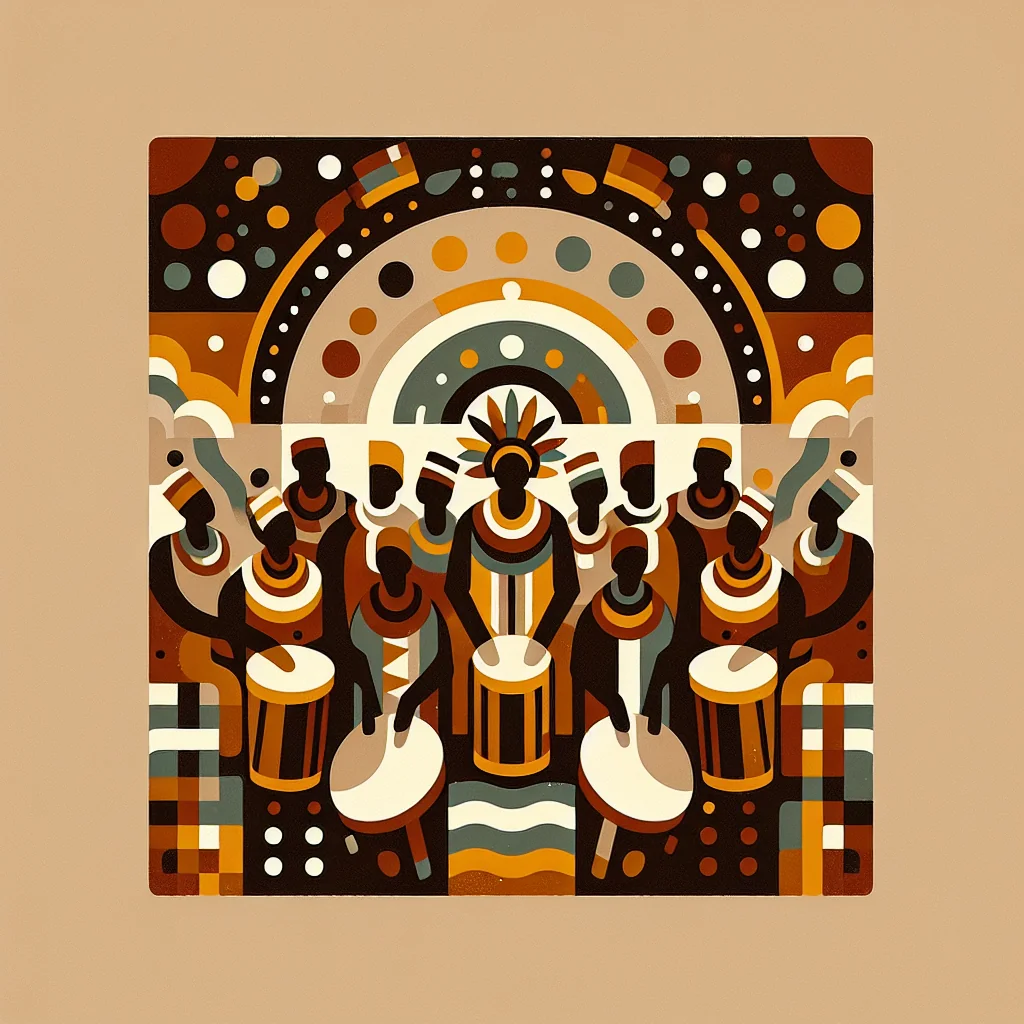
Liberian art and music are vibrant, with traditional drumming, dance, and storytelling playing central roles in cultural expression.
Cultural Symbols Motifs
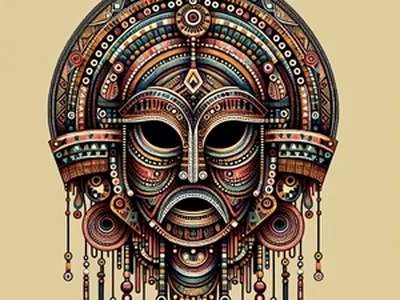
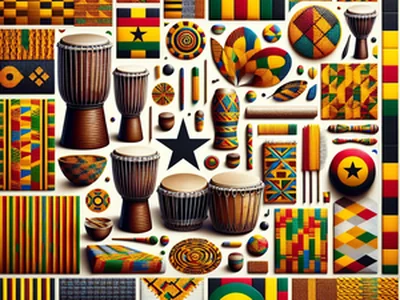
Symbols such as the Liberian flag and traditional masks hold cultural significance, representing identity and heritage.
What Brings Joy
Music, dance, and communal gatherings are sources of joy and celebration in Liberian culture.
Celebrations Joyful Traditions
Festivals such as Independence Day and traditional harvest celebrations are marked by music, dance, and feasting.
Cultural Calendar And Holidays
Key holidays include Independence Day on July 26 and Thanksgiving, celebrated on the first Thursday of November.
Additional Notes
Liberian culture is dynamic, with influences from both indigenous traditions and Western practices.
Economic Context And Occupations
Liberia's economy is primarily based on agriculture, with many people engaged in farming, fishing, and trading.
Housing And Living Arrangements
Housing varies from urban to rural areas, with traditional mud huts common in villages and modern buildings in cities.
Nutrition And Dietary Norms
Rice is a staple food, often served with fish, meat, and a variety of vegetables. Palm oil is a common ingredient in Liberian cuisine.
Interpretation Needs
Given the linguistic diversity, interpretation services are important, especially in healthcare and legal settings.
Interpreter Notes
Interpreters should be culturally sensitive and aware of regional dialects and variations.
Documentation Traditions
Oral traditions are strong, with storytelling and oral history playing key roles in cultural documentation.
Interactions With Other Cultures
Liberians interact with neighboring cultures through trade, migration, and shared cultural practices.
Conflict Resolution Mechanisms
Traditional conflict resolution involves community elders and leaders mediating disputes.
Cultural Exchange Programs
Cultural exchange programs with other West African nations promote mutual understanding and cultural appreciation.
Trade Relations
Liberia engages in trade with neighboring countries, exchanging goods such as rubber, timber, and palm oil.
Shared Artistic Projects
Collaborations in music and art with other West African artists are common, reflecting shared cultural themes.
Intercultural Marriages
Intercultural marriages occur, often strengthening ties between different ethnic groups and cultures.
Shared Educational Initiatives
Educational initiatives often involve partnerships with international organizations to improve access and quality of education.
Youth Perspectives
Liberian youth are optimistic about the future, valuing education and opportunities for entrepreneurship.
Education Initiatives
Programs aimed at improving literacy and vocational skills are crucial for empowering Liberian youth.
Future Challenges
Challenges include unemployment, access to quality education, and addressing the impacts of past conflicts.
Youth Employment Trends
Youth employment is focused on agriculture, small businesses, and emerging sectors like technology.
Future Visions
There is a vision for a prosperous Liberia with improved infrastructure, education, and healthcare systems.
Youth Leadership Roles
Youth are increasingly taking on leadership roles in community development and advocacy.
Innovation And Startups
Innovation is growing, with startups in technology and agriculture leading the way in economic development.
Festivals And Celebrations
Festivals such as the Poro and Sande societies' initiation ceremonies are important cultural events.
Traditional Medicine Practices
Herbal medicine and spiritual healing are integral to traditional health practices.
Environmental Practices
Community-based conservation efforts are important for preserving Liberia's rich biodiversity.
Rituals
Rituals often involve music, dance, and offerings to ancestors or spirits.
Rites Of Passage
Rites of passage, such as initiation into adulthood, are significant cultural milestones.
Culinary Traditions
Liberian cuisine is diverse, with dishes like jollof rice, cassava leaf stew, and fufu being popular.
Climate Adaptation Strategies
Communities are adopting sustainable farming practices to adapt to climate change.
Biodiversity Conservation
Efforts to protect Liberia's rainforests and wildlife are ongoing, with community involvement.
Sustainable Tourism Practices
Eco-tourism is being promoted to showcase Liberia's natural beauty while supporting local communities.
Renewable Energy Use
There is growing interest in solar and other renewable energy sources to address energy needs.
Community Involvement In Practices
Community involvement is key in environmental and cultural preservation efforts.
Environmental Education Programs
Programs aimed at educating youth about environmental conservation are being implemented.
Notable Figures
Notable Liberians include President Ellen Johnson Sirleaf, the first female head of state in Africa, and Nobel laureate Leymah Gbowee.
Cultural Innovations
Liberian artists and musicians are known for their contributions to African music and art.
Literary Works
Liberian literature includes works by authors like Bai T. Moore and Wilton Sankawulo, reflecting the country's history and culture.
Architectural Styles
Traditional Liberian architecture includes round huts with thatched roofs, while urban areas feature modern buildings.
Scientific Contributions
Liberian scientists contribute to fields such as agriculture and environmental science.
Culinary Innovations
Liberian cuisine is known for its unique flavors and use of local ingredients, influencing West African culinary trends.
Global Influence
Liberia's cultural influence extends through its diaspora, impacting music, art, and literature globally.
Awards And Recognition
Liberians have received international recognition for contributions to peace, literature, and human rights.
Modern Influences
Western influences are evident in urban areas, affecting fashion, music, and lifestyle.
Digital Presence
The digital presence is growing, with increased internet access and social media use among Liberians.
Globalization Effects
Globalization has brought both opportunities and challenges, impacting traditional practices and economic structures.
Urbanization Effects
Urbanization is leading to changes in social dynamics and increased demand for infrastructure and services.
Technology Adoption
Technology adoption is increasing, with mobile phones and internet access becoming more widespread.
Hybrid Cultural Forms
Hybrid cultural forms are emerging, blending traditional and modern elements in music, art, and fashion.
Social Media Presence
Social media platforms are popular among Liberians, facilitating communication and cultural exchange.
Challenges
Challenges include preserving cultural heritage in the face of modernization and addressing social inequalities.
Preservation Efforts
Efforts to preserve cultural heritage include documenting traditional practices and promoting cultural education.
Cultural Artwork
Community Discussion
Further Reading
Explore credible external sources to deepen your understanding of Liberian culture.