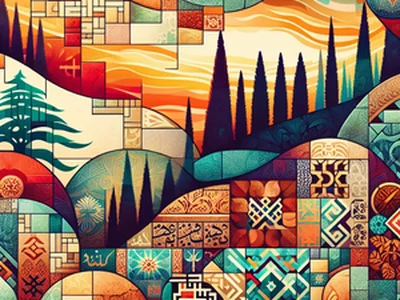
Lebanese
Middle East, Mediterranean region ArabicFrenchEnglish
The Lebanese culture is a rich and diverse blend of Mediterranean, Arab, and Western influences.
Historical Context
Located in the eastern Mediterranean, Lebanon has a long history of cultural exchange and trade with neighboring countries.
Migration Patterns
Historically, Lebanon was a major hub for migration between Europe and the Middle East.
Conflict And Resilience History
Lebanon has experienced several conflicts throughout its history, including the Lebanese Civil War (1975-1990).
Diaspora Perspectives
The Lebanese diaspora is significant, with many Lebanese living in countries such as Brazil, Argentina, and Australia.
Regional Variations
Regional variations within Lebanon include differences between the Christian and Muslim populations.
Bridging Notes
Lebanon's cultural identity is shaped by its unique blend of Mediterranean, Arab, and Western influences.
Spiritual And Religious Practices
The majority of Lebanese are Muslim (Shia and Sunni), with a significant Christian minority.
Beliefs And Worldview
Lebanese culture values hospitality, respect for elders, and strong family ties.
Cultural Proverbs Sayings
Examples include: 'Mabrook' (congratulations), 'As-salamu alaykum' (peace be upon you).
Naming Conventions And Terms Of Address
Names are often given based on the day of the week or a family member, and titles such as 'Mr.' or 'Mrs.' are used.
Health And Mental Health
Lebanese culture places a strong emphasis on mental health and well-being.
Mental Health Views
Mental illness is often stigmatized, but there is growing awareness of its importance.
Traditional Healers
Traditional healers, such as 'Hakims,' are still used in some parts of Lebanon.
Gender Roles In Healthcare
Women play a significant role in healthcare, particularly in rural areas.
Healthcare Barriers
Barriers to healthcare include limited access to medical facilities and services.
Education And Learning Styles
Lebanese education system is based on the French model, with an emphasis on science and mathematics.
Learning Styles
Students are encouraged to be independent and self-motivated.
Parental Engagement
Parents are often involved in their children's education, particularly in rural areas.
Family And Social Structure
Lebanese culture places a strong emphasis on family ties and social relationships.
Discipline And Behavior
Children are expected to respect their elders and follow traditional values.
Authority Attitudes
Authority figures, such as teachers and government officials, are respected.
Etiquette And Customs
Examples include: removing shoes before entering a home, using the right hand when eating or giving/receiving something.
Community Strengths Resilience
Lebanese communities are known for their resilience in the face of adversity.
Art Music And Expression
Traditional Lebanese music and dance include the 'Dabke' and 'Oud' instruments.
Cultural Symbols Motifs
Examples include: the cedar tree, the olive branch, and the Arabic calligraphy script.
What Brings Joy
Lebanese people often find joy in social gatherings, food, and music.
Celebrations Joyful Traditions
Examples include: Eid al-Fitr (end of Ramadan), Christmas, and New Year's Eve.
Cultural Calendar And Holidays
The Lebanese calendar includes Islamic holidays such as Eid al-Adha and Ashura.
Additional Notes
Lebanese culture is known for its vibrant arts scene, with many festivals and exhibitions throughout the year.
Economic Context And Occupations
Lebanon has a service-based economy, with a strong focus on tourism and finance.
Housing And Living Arrangements
Housing in Lebanon varies from modern apartments to traditional stone houses.
Nutrition And Dietary Norms
Traditional Lebanese cuisine includes dishes such as 'Kibbeh' and 'Shawarma'.
Interpretation Needs
Interpretation services are often required for Arabic speakers who do not speak English or French.
Interpreter Notes
Certified interpreters can be found in major cities, particularly Beirut.
Documentation Traditions
Documentation is often done in Arabic, with some use of French and English.
Interactions With Other Cultures
Lebanese culture has a long history of interactions with neighboring cultures, including the Greeks, Romans, and Ottomans.
Conflict Resolution Mechanisms
Traditional conflict resolution mechanisms include mediation by community leaders or elders.
Cultural Exchange Programs
Cultural exchange programs are common between Lebanon and other countries in the region.
Trade Relations
Lebanon has a significant trade relationship with neighboring countries, particularly Syria and Jordan.
Shared Artistic Projects
Examples include: joint music festivals and art exhibitions.
Intercultural Marriages
Intercultural marriages are common between Lebanese and other nationalities in the region.
Shared Educational Initiatives
Examples include: joint educational programs and research collaborations.
Youth Perspectives
Youth in Lebanon often face challenges related to education, employment, and social mobility.
Education Initiatives
Initiatives aimed at improving education in Lebanon include the 'Lebanon Education Initiative'.
Future Challenges
Challenges facing Lebanon's future include economic development, environmental sustainability, and social cohesion.
Youth Employment Trends
Youth employment trends in Lebanon are influenced by factors such as education level, occupation, and industry.
Future Visions
Future visions for Lebanon include a more inclusive and equitable society, with improved access to education and economic opportunities.
Youth Leadership Roles
Youth leadership roles in Lebanon often involve community service, activism, or entrepreneurship.
Innovation And Startups
Innovation and startups are increasingly important in Lebanon's economy, particularly in the tech sector.
Festivals And Celebrations
Examples include: Eid al-Fitr (end of Ramadan), Christmas, and New Year's Eve.
Traditional Medicine Practices
Traditional medicine practices in Lebanon include the use of herbal remedies and spiritual healing.
Environmental Practices
Environmental practices in Lebanon vary from traditional to modern, with a growing focus on sustainability.
Rituals
Examples include: daily prayers, fasting during Ramadan, and pilgrimage to holy sites.
Rites Of Passage
Rites of passage in Lebanese culture include birth, marriage, and death ceremonies.
Culinary Traditions
Traditional Lebanese cuisine includes dishes such as 'Kibbeh' and 'Shawarma'.
Climate Adaptation Strategies
Climate adaptation strategies in Lebanon include measures to mitigate the effects of droughts and heatwaves.
Biodiversity Conservation
Biodiversity conservation efforts in Lebanon focus on protecting endangered species and ecosystems.
Sustainable Tourism Practices
Sustainable tourism practices in Lebanon aim to promote eco-friendly tourism while preserving cultural heritage.
Renewable Energy Use
Renewable energy use in Lebanon is increasing, particularly in the form of solar and wind power.
Community Involvement In Practices
Community involvement in environmental practices is essential for their success and sustainability.
Environmental Education Programs
Environmental education programs in Lebanon aim to raise awareness about environmental issues and promote sustainable practices.
Notable Figures
Notable figures from Lebanese culture include poets such as Khalil Gibran and writers like Amin Maalouf.
Cultural Innovations
Cultural innovations in Lebanon include the development of Arabic calligraphy and traditional music instruments.
Literary Works
Examples include: 'The Prophet' by Kahlil Gibran, 'The Rock of Tanios' by Amin Maalouf.
Architectural Styles
Architectural styles in Lebanon include a blend of Ottoman, French, and Arab influences.
Scientific Contributions
Scientific contributions from Lebanese culture include advances in mathematics, astronomy, and medicine.
Culinary Innovations
Culinary innovations in Lebanon include the development of traditional dishes such as 'Kibbeh' and 'Shawarma'.
Global Influence
Lebanese culture has a significant global influence, particularly in the fields of literature, music, and art.
Awards And Recognition
Awards and recognition for Lebanese culture include the UNESCO World Heritage designation for the city of Byblos.
Modern Influences
Modern influences on Lebanese culture come from various sources, including Western media, technology, and social media.
Digital Presence
Lebanese culture has a significant digital presence, with many online platforms and social media accounts.
Globalization Effects
Globalization has had both positive and negative effects on Lebanese culture, including increased economic opportunities but also cultural homogenization.
Urbanization Effects
Urbanization has had both positive and negative effects on Lebanese culture, including increased economic opportunities but also social isolation.
Technology Adoption
Technology adoption in Lebanon has been rapid, particularly in the fields of telecommunications and e-commerce.
Hybrid Cultural Forms
Hybrid cultural forms in Lebanon include the blending of traditional and modern music styles.
Social Media Presence
Social media presence is significant for Lebanese culture, with many influencers and content creators promoting cultural heritage and traditions.
Challenges
Challenges facing Lebanese culture include cultural homogenization, loss of traditional practices, and environmental degradation.
Preservation Efforts
Preservation efforts for Lebanese culture include initiatives aimed at protecting cultural heritage sites, promoting traditional practices, and raising awareness about environmental issues.
Community Discussion
Further Reading
Explore credible external sources to deepen your understanding of Lebanese culture.