

Laotian
Southeast Asia LaoFrench
The Laotian culture is a rich and diverse blend of traditional and modern influences, shaped by the country's history as a major hub for trade and cultural exchange.
Historical Context
Laos has a complex and often tumultuous history, with periods of independence and occupation by foreign powers.
Migration Patterns
The country has experienced significant migration patterns throughout its history, including the arrival of Buddhist monks from India and China.
Conflict And Resilience History
Laos has faced numerous conflicts, including the Vietnam War, which had a profound impact on the country's culture and society.
Diaspora Perspectives
The Laotian diaspora is significant, with many Lao people living abroad in countries such as Thailand, France, and the United States.
Regional Variations
Laos has several regional variations, including the northern region of Luang Prabang, which is known for its rich cultural heritage.
Spiritual And Religious Practices
Buddhism plays a significant role in Laotian culture, with many people practicing Theravada Buddhism.
Beliefs And Worldview
Laotians believe in the concept of 'karma', which holds that an individual's actions have consequences in this life and the next.
Cultural Proverbs Sayings
Examples include: 'Sabai sabai' (relax, relax), 'Khop khun krap' (thank you)
Naming Conventions And Terms Of Address
Laotians typically use a combination of given name and surname, with terms of address such as 'Ajaan' (respected elder) or 'Nong' (young person)
Health And Mental Health
Mental health is often stigmatized in Laotian culture, but there is a growing recognition of its importance.
Mental Health Views
Laotians tend to view mental illness as a personal failing rather than a medical condition.
Traditional Healers
Traditional healers, such as monks and shamans, play an important role in Laotian healthcare.
Gender Roles In Healthcare
Women often take on caregiving roles for family members, while men are more likely to seek medical attention themselves.
Healthcare Barriers
Limited access to healthcare services, particularly in rural areas, is a significant challenge.
Education And Learning Styles
Laotian education emphasizes rote memorization and respect for authority.
Learning Styles
Students are often encouraged to work individually rather than collaboratively.
Parental Engagement
Parents play an active role in their children's education, particularly in rural areas.
Family And Social Structure
Laotian society is highly collectivist, with a strong emphasis on family and community ties.
Discipline And Behavior
Children are often disciplined through physical punishment or public shaming.
Authority Attitudes
Authority figures, such as parents and teachers, are highly respected in Laotian culture.
Etiquette And Customs
Examples include: removing shoes before entering a home, using the right hand for eating and giving/receiving objects
Community Strengths Resilience
Laotians place a strong emphasis on community solidarity and mutual support.
Art Music And Expression
Laotian art and music are characterized by their use of traditional instruments, such as the khaen (a type of mouth organ).
Cultural Symbols Motifs
Examples include: the naga (a serpent-like creature), the mak phuak (a mythical bird)
What Brings Joy
Laotians often find joy in simple pleasures, such as spending time with family and friends or enjoying traditional foods.
Celebrations Joyful Traditions
Examples include: the Boun Bang Fai (Rocket Festival), the Boun Suang Heua (Boat Racing Festival)
Cultural Calendar And Holidays
Laos has a number of significant holidays, including the New Year (Pi Mai Lao) and the full moon festival (Boun Phra Bat).
Economic Context And Occupations
The Laotian economy is primarily based on agriculture, with many people working as farmers or laborers.
Housing And Living Arrangements
Laotians often live in rural areas, where housing is typically simple and made of natural materials such as wood and thatch.
Nutrition And Dietary Norms
The traditional Laotian diet is based on rice, fish, and vegetables, with a focus on fresh ingredients.
Interpretation Needs
Laotians may require interpretation services when interacting with people who speak other languages.
Interpreter Notes
Interpreters should be aware of cultural nuances and idioms that may not translate directly.
Documentation Traditions
Laotian documents often use a combination of Lao script and Romanization.
Interactions With Other Cultures
Laotians often interact with people from neighboring countries, such as Thailand and Vietnam.
Conflict Resolution Mechanisms
Disputes are often resolved through mediation or arbitration by community leaders.
Cultural Exchange Programs
Laos participates in various cultural exchange programs with other countries.
Trade Relations
Laos has trade agreements with several countries, including China and Vietnam.
Shared Artistic Projects
Examples include: the Lao-Thai joint production of a film about the history of the Mekong River
Intercultural Marriages
Intercultural marriages are becoming more common in Laos, particularly between Laotians and Thais.
Shared Educational Initiatives
Laos participates in regional educational initiatives, such as the Southeast Asia Ministers of Education Organization (SEAMEO).
Youth Perspectives
Young people in Laos are increasingly interested in technology and entrepreneurship.
Education Initiatives
The government has launched several education initiatives aimed at improving access to quality education for all.
Future Challenges
Laos faces significant challenges, including poverty, corruption, and environmental degradation.
Youth Employment Trends
Youth employment is a growing concern in Laos, with many young people seeking work abroad.
Future Visions
Many Laotians envision a future where the country becomes a major hub for trade and tourism.
Youth Leadership Roles
Young people are increasingly taking on leadership roles in politics, business, and civil society.
Innovation And Startups
Laos has seen an increase in innovation and entrepreneurship, particularly in the tech sector.
Festivals And Celebrations
Examples include: the Boun Bang Fai (Rocket Festival), the Boun Suang Heua (Boat Racing Festival)
Traditional Medicine Practices
Laotians often use traditional medicine, such as herbal remedies and spiritual healing.
Environmental Practices
Laotians place a strong emphasis on environmental conservation, particularly in rural areas.
Rituals
Rituals are often performed to ensure good harvests and fertility.
Rites Of Passage
Examples include: the Boun Bang Fai (Rocket Festival), which marks the beginning of the wet season
Culinary Traditions
Laotian cuisine is characterized by its use of fresh ingredients, such as fish and vegetables.
Climate Adaptation Strategies
Laotians have developed various strategies to adapt to climate change, including shifting crop patterns and using drought-resistant crops.
Biodiversity Conservation
Laos has made significant efforts to conserve biodiversity, particularly in protected areas such as the Nam Ha National Park.
Sustainable Tourism Practices
Tourism is becoming increasingly important for Laos, with a focus on sustainable tourism practices.
Renewable Energy Use
Laos has invested heavily in renewable energy sources, including hydroelectric power and solar panels.
Community Involvement In Practices
Community members are often involved in environmental conservation efforts, such as tree planting and wildlife monitoring.
Notable Figures
Examples include: King Fa Ngum, who unified the country in the 14th century
Cultural Innovations
Laos has made significant contributions to cultural innovations, including the development of traditional instruments and textiles.
Literary Works
Examples include: the epic poem 'The Story of the Mekong River'
Architectural Styles
Laotian architecture is characterized by its use of natural materials and intricate carvings.
Scientific Contributions
Laos has made significant contributions to scientific research, particularly in the fields of agriculture and medicine.
Culinary Innovations
Laotian cuisine has been influenced by various cultures, including Chinese and French.
Global Influence
Laos has a growing global influence, particularly in the areas of trade and tourism.
Awards And Recognition
Laos has received several awards for its cultural achievements, including UNESCO recognition for its traditional music.
Modern Influences
Modern influences are shaping Laotian culture, particularly in the areas of fashion and entertainment.
Digital Presence
Laotians are increasingly using digital technologies, such as smartphones and social media.
Globalization Effects
Globalization has had a significant impact on Laotian culture, particularly in the areas of trade and tourism.
Urbanization Effects
Urbanization is having a significant impact on Laotian culture, particularly in the areas of education and employment.
Technology Adoption
Laos has made significant progress in adopting new technologies, including e-government systems and mobile banking.
Hybrid Cultural Forms
Laos is experiencing a growing trend towards hybrid cultural forms, including fusion cuisine and blended music styles.
Social Media Presence
Social media is becoming increasingly popular in Laos, with many people using platforms such as Facebook and Instagram.
Challenges
Examples include: poverty, corruption, environmental degradation
Preservation Efforts
Laos has made significant efforts to preserve its cultural heritage, including the establishment of museums and cultural centers.
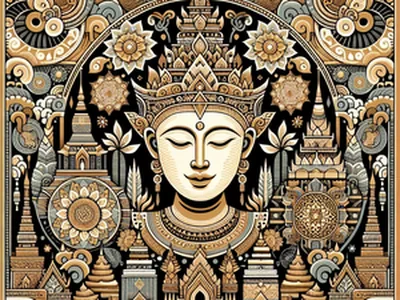
Cultural Artwork
Community Discussion
Further Reading
Explore credible external sources to deepen your understanding of Laotian culture.