

Kyrgyz
Central Asia KyrgyzRussian
The Kyrgyz culture is rich in nomadic traditions, with a strong emphasis on community, hospitality, and a deep connection to nature.
Historical Context
The Kyrgyz people have a history that dates back over a thousand years, with roots in the nomadic tribes of Central Asia. They have experienced various periods of independence and subjugation, including under the Mongol Empire and later the Soviet Union.
Migration Patterns
Historically, the Kyrgyz were nomadic, migrating seasonally with their livestock. In the Soviet era, many were settled into collective farms, but nomadic traditions still influence modern Kyrgyz culture.
Conflict And Resilience History
The Kyrgyz have faced numerous conflicts, including tribal wars and Soviet repression, but have shown resilience through the preservation of their cultural identity and traditions.
Diaspora Perspectives
The Kyrgyz diaspora is spread across Russia, Kazakhstan, and other parts of the world, maintaining cultural ties through community organizations and cultural events.
Regional Variations
There are regional differences in dialects, customs, and traditions within Kyrgyzstan, influenced by geography and historical interactions with neighboring cultures.
Bridging Notes
Efforts to bridge regional differences include national festivals and cultural exchange programs that promote unity and cultural understanding.
Spiritual And Religious Practices
Islam is the predominant religion, with Sunni Islam being the most practiced. However, traditional beliefs and practices, such as shamanism, still influence spiritual life.
Beliefs And Worldview
Kyrgyz culture values hospitality, respect for elders, and a deep connection to nature. The worldview is shaped by a blend of Islamic beliefs and traditional nomadic customs.
Cultural Proverbs Sayings
Proverbs play a significant role in Kyrgyz culture, often reflecting wisdom about life, nature, and human relationships.
Naming Conventions And Terms Of Address
Names often reflect Islamic and Turkic influences. Respectful terms of address are important, especially when speaking to elders.
Health And Mental Health
Traditional medicine and healing practices are common, alongside modern healthcare. Mental health is often addressed within the family or community context.
Mental Health Views
Mental health issues may be stigmatized, with a preference for addressing them privately or through traditional healers.
Traditional Healers
Traditional healers, known as 'baksys', play a role in health practices, using herbal remedies and spiritual healing methods.
Gender Roles In Healthcare
Women often manage family health, but men typically make major healthcare decisions.
Healthcare Barriers
Barriers include limited access to healthcare facilities in rural areas and financial constraints.
Education And Learning Styles
Education is highly valued, with a strong emphasis on literacy and numeracy. Traditional storytelling and oral history are also important educational tools.
Learning Styles
Learning often involves memorization and recitation, reflecting the oral traditions of Kyrgyz culture.
Parental Engagement
Parents are actively involved in their children's education, often emphasizing the importance of academic success and cultural knowledge.
Family And Social Structure
The family is the central unit of Kyrgyz society, with extended families often living together or nearby. Elders hold a respected position within the family and community.
Discipline And Behavior
Discipline is generally enforced through family and community norms, with an emphasis on respect and obedience to elders.
Authority Attitudes
Respect for authority is ingrained, with elders and community leaders playing key roles in decision-making.
Etiquette And Customs
Hospitality is a cornerstone of Kyrgyz culture, with guests often treated with great honor. Traditional customs are observed in social interactions and celebrations.
Community Strengths Resilience
Strong community ties and a shared cultural heritage contribute to resilience, especially in rural areas where traditional practices are more prevalent.
Art Music And Expression
Kyrgyz art and music are vibrant, with traditional instruments like the komuz and epic poetry recitations being central to cultural expression.
Cultural Symbols Motifs
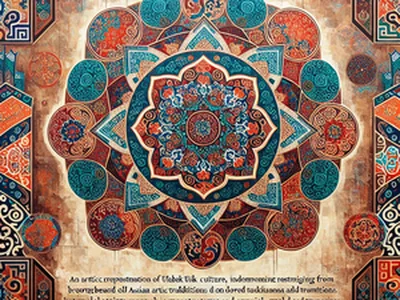
Common motifs include the yurt, mountains, and horses, symbolizing the nomadic lifestyle and connection to nature.
What Brings Joy
Community gatherings, music, and traditional games bring joy and strengthen social bonds.
Celebrations Joyful Traditions
Festivals such as Nooruz (New Year) and national holidays are celebrated with music, dance, and feasting.
Cultural Calendar And Holidays
The cultural calendar includes Islamic holidays, national celebrations, and traditional festivals like Nooruz.
Additional Notes
Kyrgyz culture places a strong emphasis on oral traditions, with storytelling and poetry being key forms of cultural expression.
Economic Context And Occupations
The economy is largely based on agriculture, livestock, and increasingly, tourism. Many Kyrgyz people are engaged in small-scale farming and herding.
Housing And Living Arrangements
In rural areas, traditional yurts are still used, while urban areas feature more modern housing. Extended families often live together.
Nutrition And Dietary Norms
The diet is meat-heavy, with staples like bread, dairy, and tea. Traditional dishes include beshbarmak and plov.
Interpretation Needs
Kyrgyz and Russian are widely spoken, but interpretation may be needed for official matters or in regions with linguistic diversity.
Interpreter Notes
Interpreters should be aware of cultural nuances and respectful communication styles.
Documentation Traditions
Oral traditions are strong, but written documentation is increasingly important, especially in education and governance.
Interactions With Other Cultures
Kyrgyzstan has a history of cultural exchange with neighboring countries, influenced by trade routes and shared history.
Conflict Resolution Mechanisms
Traditional methods of conflict resolution involve community elders and consensus-building practices.
Cultural Exchange Programs
There are various cultural exchange programs with neighboring countries and international partners to promote understanding and cooperation.
Trade Relations
Kyrgyzstan engages in trade with neighboring countries, benefiting from its location along historical trade routes.
Shared Artistic Projects
Collaborative artistic projects often focus on shared cultural heritage and regional themes.
Intercultural Marriages
Intercultural marriages are not uncommon, reflecting the diverse ethnic composition of the region.
Shared Educational Initiatives
Educational initiatives often involve partnerships with international organizations to improve access and quality of education.
Youth Perspectives
Kyrgyz youth are increasingly engaged in global culture through technology and social media, while also valuing traditional customs.
Education Initiatives
There are efforts to improve educational opportunities, particularly in rural areas, through government and NGO initiatives.
Future Challenges
Challenges include economic development, employment opportunities, and balancing modernization with cultural preservation.
Youth Employment Trends
Youth employment is focused on agriculture, service industries, and increasingly, technology and entrepreneurship.
Future Visions
The future vision for Kyrgyz youth includes greater economic opportunities, cultural preservation, and increased global engagement.
Youth Leadership Roles
Youth are taking on leadership roles in community organizations and social movements, advocating for change and innovation.
Innovation And Startups
There is a growing interest in startups and innovation, particularly in technology and sustainable development sectors.
Festivals And Celebrations
Festivals like Nooruz and traditional weddings are celebrated with music, dance, and communal feasting.
Traditional Medicine Practices
Herbal remedies and spiritual healing are part of traditional medicine practices, often used alongside modern healthcare.
Environmental Practices
Traditional practices emphasize sustainable use of natural resources, reflecting the nomadic heritage.
Rituals
Rituals often mark life events such as births, weddings, and funerals, incorporating both Islamic and traditional elements.
Rites Of Passage
Rites of passage, such as circumcision and weddings, are significant cultural events with elaborate ceremonies.
Culinary Traditions
Kyrgyz cuisine features dishes like beshbarmak, plov, and fermented mare's milk, reflecting nomadic influences.
Climate Adaptation Strategies
Adaptation strategies include traditional knowledge of weather patterns and sustainable herding practices.
Biodiversity Conservation
Efforts are made to conserve biodiversity, particularly in mountainous regions, through protected areas and community initiatives.
Sustainable Tourism Practices
Sustainable tourism is promoted to preserve natural landscapes and cultural heritage while benefiting local communities.
Renewable Energy Use
There is growing interest in renewable energy, particularly hydropower, to reduce reliance on fossil fuels.
Community Involvement In Practices
Community involvement is key in environmental and cultural practices, ensuring sustainability and cultural continuity.
Environmental Education Programs
Programs focus on educating youth about environmental conservation and sustainable practices.
Notable Figures
Notable figures include Manas, the legendary hero of the Kyrgyz epic, and Chingiz Aitmatov, a renowned writer.
Cultural Innovations
Innovations include the development of traditional musical instruments and the preservation of epic poetry.
Literary Works
The Manas epic is a cornerstone of Kyrgyz literature, alongside modern works by authors like Chingiz Aitmatov.
Architectural Styles
Traditional yurts and Soviet-era architecture are prominent, with modern influences in urban areas.
Scientific Contributions
Contributions include research in agriculture, environmental science, and traditional medicine.
Culinary Innovations
Culinary innovations focus on adapting traditional dishes for modern tastes and dietary needs.
Global Influence
Kyrgyz culture influences global perceptions of Central Asia through its music, literature, and traditional practices.
Awards And Recognition
Kyrgyz artists and writers have received international recognition for their contributions to culture and literature.
Modern Influences
Modern influences include globalization, technology, and increased urbanization, impacting traditional lifestyles.
Digital Presence
There is a growing digital presence, with increased internet access and social media use among the youth.
Globalization Effects
Globalization has brought both opportunities and challenges, influencing cultural practices and economic development.
Urbanization Effects
Urbanization is leading to changes in lifestyle, with more people moving to cities for education and employment.
Technology Adoption
Technology adoption is increasing, with a focus on improving communication, education, and business opportunities.
Hybrid Cultural Forms
Hybrid cultural forms are emerging, blending traditional and modern elements in music, art, and fashion.
Social Media Presence
Social media is widely used for communication, cultural exchange, and promoting Kyrgyz culture globally.
Challenges
Challenges include preserving cultural heritage in the face of modernization and economic pressures.
Preservation Efforts
Efforts to preserve culture include government initiatives, cultural festivals, and educational programs focused on traditional practices.
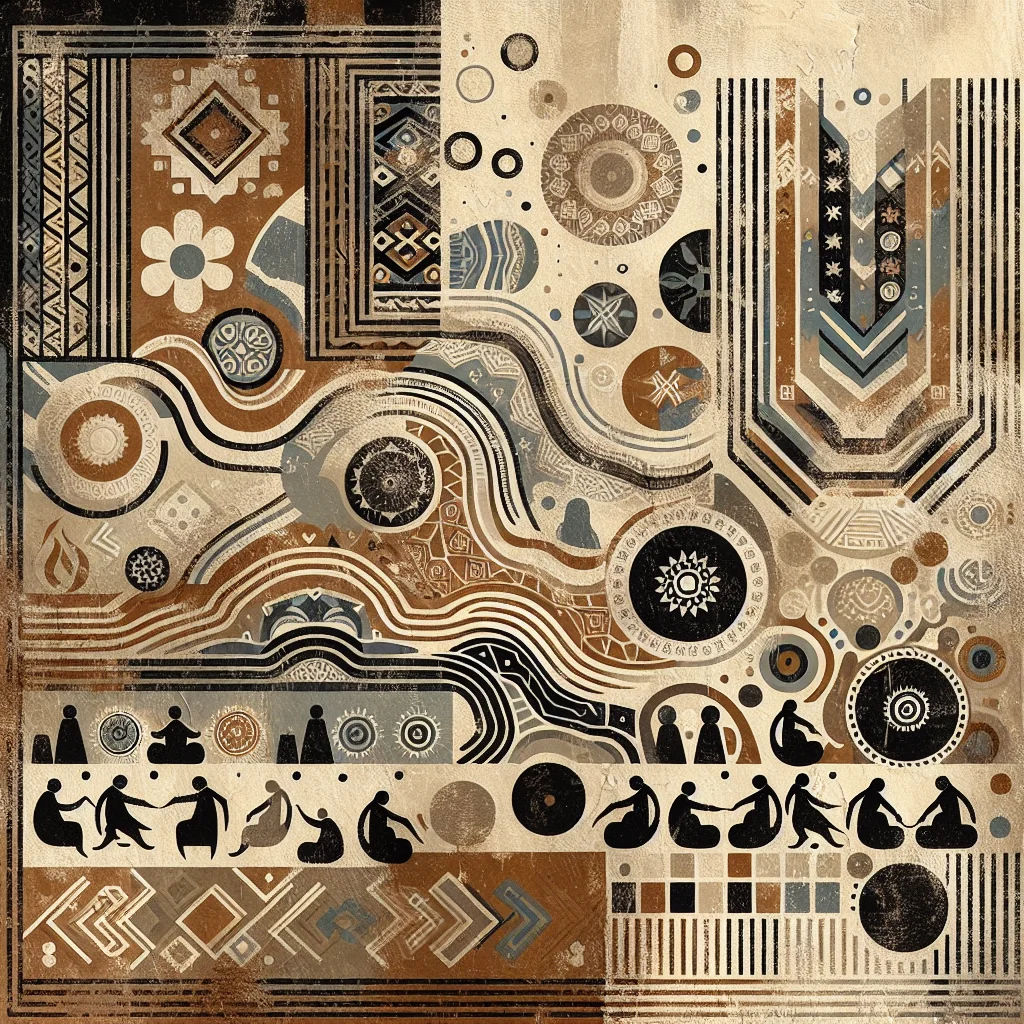
Cultural Artwork
Community Discussion
Further Reading
Explore credible external sources to deepen your understanding of Kyrgyz culture.