
Kpelle
- Historical Context
- The Kpelle are part of the larger Mande ethnic group, migrating to their current regions from the north several centuries ago. During the colonial era, the Kpelle were under both French and British influence, impacting their social and political structures. Following Liberia's independence, the Kpelle have played a significant role in the country's political and social development.
- Migration Patterns
- The Kpelle are part of the larger Mande ethnic group, migrating to their current regions from the north several centuries ago. During the colonial era, the Kpelle were under both French and British influence, impacting their social and political structures. Following Liberia's independence, the Kpelle have played a significant role in the country's political and social development. The Kpelle are part of the larger Mande ethnic group, migrating to their current regions from the north several centuries ago. During the colonial era, the Kpelle were under both French and British influence, impacting their social and political structures.
- Conflict And Resilience History
- The Kpelle are part of the larger Mande ethnic group, migrating to their current regions from the north several centuries ago. During the colonial era, the Kpelle were under both French and British influence, impacting their social and political structures. Following Liberia's independence, the Kpelle have played a significant role in the country's political and social development. The Kpelle are part of the larger Mande ethnic group, migrating to their current regions from the north several centuries ago. During the colonial era, the Kpelle were under both French and British influence, impacting their social and political structures. Following Liberia's independence, the Kpelle have played a significant role in the country's political and social development. The Kpelle are part of the larger Mande ethnic group, migrating to their current regions from the north several centuries ago. During the colonial era, the Kpelle were under both French and British influence, impacting their social and political structures. The Kpelle are part of the larger Mande ethnic group, migrating to their current regions from the north several centuries ago.
- Diaspora Perspectives
- The Kpelle are part of the larger Mande ethnic group, migrating to their current regions from the north several centuries ago. During the colonial era, the Kpelle were under both French and British influence, impacting their social and political structures. Following Liberia's independence, the Kpelle have played a significant role in the country's political and social development. The Kpelle are part of the larger Mande ethnic group, migrating to their current regions from the north several centuries ago. During the colonial era, the Kpelle were under both French and British influence, impacting their social and political structures. Following Liberia's independence, the Kpelle have played a significant role in the country's political and social development. The Kpelle are part of the larger Mande ethnic group, migrating to their current regions from the north several centuries ago. During the colonial era, the Kpelle were under both French and British influence, impacting their social and political structures. The Kpelle are part of the larger Mande ethnic group, migrating to their current regions from the north several centuries ago. During the colonial era, the Kpelle were under both French and British influence, impacting their social and political structures. Following Liberia's independence, the Kpelle have played a significant role in the country's political and social development. The Kpelle are part of the larger Mande ethnic group, migrating to their current regions from the north several centuries ago. During the colonial era, the Kpelle were under both French and British influence, impacting their social and political structures. Following Liberia's independence, the Kpelle have played a significant role in the country's political and social development. The Kpelle are part of the larger Mande ethnic group, migrating to their current regions from the north several centuries ago. During the colonial era, the Kpelle were under both French and British influence, impacting their social and political structures. The Kpelle are part of the larger Mande ethnic group, migrating to their current regions from the north several centuries ago.
- Regional Variations
- The Kpelle are part of the larger Mande ethnic group, migrating to their current regions from the north several centuries ago. During the colonial era, the Kpelle were under both French and British influence, impacting their social and political structures. Following Liberia's independence, the Kpelle have played a significant role in the country's political and social development. The Kpelle are part of the larger Mande ethnic group, migrating to their current regions from the north several centuries ago. During the colonial era, the Kpelle were under both French and British influence, impacting their social and political structures. Following Liberia's independence, the Kpelle have played a significant role in the country's political and social development. The Kpelle are part of the larger Mande ethnic group, migrating to their current regions from the north several centuries ago. During the colonial era, the Kpelle were under both French and British influence, impacting their social and political structures. The Kpelle are part of the larger Mande ethnic group, migrating to their current regions from the north several centuries ago. During the colonial era, the Kpelle were under both French and British influence, impacting their social and political structures. Following Liberia's independence, the Kpelle have played a significant role in the country's political and social development. The Kpelle are part of the larger Mande ethnic group, migrating to their current regions from the north several centuries ago. During the colonial era, the Kpelle were under both French and British influence, impacting their social and political structures. Following Liberia's independence, the Kpelle have played a significant role in the country's political and social development. The Kpelle are part of the larger Mande ethnic group, migrating to their current regions from the north several centuries ago. During the colonial era, the Kpelle were under both French and British influence, impacting their social and political structures. The Kpelle are part of the larger Mande ethnic group, migrating to their current regions from the north several centuries ago.
- Bridging Notes
- The Kpelle are part of the larger Mande ethnic group, migrating to their current regions from the north several centuries ago. During the colonial era, the Kpelle were under both French and British influence, impacting their social and political structures. Following Liberia's independence, the Kpelle have played a significant role in the country's political and social development. The Kpelle are part of the larger Mande ethnic group, migrating to their current regions from the north several centuries ago. During the colonial era, the Kpelle were under both French and British influence, impacting their social and political structures. Following Liberia's independence, the Kpelle have played a significant role in the country's political and social development. The Kpelle are part of the larger Mande ethnic group, migrating to their current regions from the north several centuries ago. During the colonial era, the Kpelle were under both French and British influence, impacting their social and political structures. The Kpelle are part of the larger Mande ethnic group, migrating to their current regions from the north several centuries ago. During the colonial era, the Kpelle were under both French and British influence, impacting their social and political structures. Following Liberia's independence, the Kpelle have played a significant role in the country's political and social development. The Kpelle are part of the larger Mande ethnic group, migrating to their current regions from the north several centuries ago. During the colonial era, the Kpelle were under both French and British influence, impacting their social and political structures. Following Liberia's independence, the Kpelle have played a significant role in the country's political and social development. The Kpelle are part of the larger Mande ethnic group, migrating to their current regions from the north several centuries ago. During the colonial era, the Kpelle were under both French and British influence, impacting their social and political structures. The Kpelle are part of the larger Mande ethnic group, migrating to their current regions from the north several centuries ago.
- Spiritual And Religious Practices
- The Kpelle practice a mix of traditional African religions and Christianity. Kpelle society is organized around extended family units and community elders. Community cooperation, respect for elders, and agricultural productivity are highly valued.
- Beliefs And Worldview
- The Kpelle practice a mix of traditional African religions and Christianity. Kpelle society is organized around extended family units and community elders. Community cooperation, respect for elders, and agricultural productivity are highly valued. The Kpelle practice a mix of traditional African religions and Christianity. Kpelle society is organized around extended family units and community elders.
- Cultural Proverbs Sayings
- The Kpelle practice a mix of traditional African religions and Christianity. Kpelle society is organized around extended family units and community elders. Community cooperation, respect for elders, and agricultural productivity are highly valued. The Kpelle practice a mix of traditional African religions and Christianity. Kpelle society is organized around extended family units and community elders. Community cooperation, respect for elders, and agricultural productivity are highly valued. The Kpelle practice a mix of traditional African religions and Christianity. Kpelle society is organized around extended family units and community elders. The Kpelle practice a mix of traditional African religions and Christianity.
- Naming Conventions And Terms Of Address
- The Kpelle practice a mix of traditional African religions and Christianity. Kpelle society is organized around extended family units and community elders. Community cooperation, respect for elders, and agricultural productivity are highly valued. The Kpelle practice a mix of traditional African religions and Christianity. Kpelle society is organized around extended family units and community elders. Community cooperation, respect for elders, and agricultural productivity are highly valued. The Kpelle practice a mix of traditional African religions and Christianity. Kpelle society is organized around extended family units and community elders. The Kpelle practice a mix of traditional African religions and Christianity. Kpelle society is organized around extended family units and community elders. Community cooperation, respect for elders, and agricultural productivity are highly valued. The Kpelle practice a mix of traditional African religions and Christianity. Kpelle society is organized around extended family units and community elders. Community cooperation, respect for elders, and agricultural productivity are highly valued. The Kpelle practice a mix of traditional African religions and Christianity. Kpelle society is organized around extended family units and community elders. The Kpelle practice a mix of traditional African religions and Christianity.
- Health And Mental Health
- Herbal remedies and spiritual healing are common practices. Access to modern healthcare varies, with rural areas often underserved. Malaria, respiratory infections, and malnutrition are prevalent health concerns.
- Mental Health Views
- Herbal remedies and spiritual healing are common practices. Access to modern healthcare varies, with rural areas often underserved. Malaria, respiratory infections, and malnutrition are prevalent health concerns. Herbal remedies and spiritual healing are common practices. Access to modern healthcare varies, with rural areas often underserved.
- Traditional Healers
- Herbal remedies and spiritual healing are common practices. Access to modern healthcare varies, with rural areas often underserved. Malaria, respiratory infections, and malnutrition are prevalent health concerns. Herbal remedies and spiritual healing are common practices. Access to modern healthcare varies, with rural areas often underserved. Malaria, respiratory infections, and malnutrition are prevalent health concerns. Herbal remedies and spiritual healing are common practices. Access to modern healthcare varies, with rural areas often underserved. Herbal remedies and spiritual healing are common practices.
- Gender Roles In Healthcare
- Herbal remedies and spiritual healing are common practices. Access to modern healthcare varies, with rural areas often underserved. Malaria, respiratory infections, and malnutrition are prevalent health concerns. Herbal remedies and spiritual healing are common practices. Access to modern healthcare varies, with rural areas often underserved. Malaria, respiratory infections, and malnutrition are prevalent health concerns. Herbal remedies and spiritual healing are common practices. Access to modern healthcare varies, with rural areas often underserved. Herbal remedies and spiritual healing are common practices. Access to modern healthcare varies, with rural areas often underserved. Malaria, respiratory infections, and malnutrition are prevalent health concerns. Herbal remedies and spiritual healing are common practices. Access to modern healthcare varies, with rural areas often underserved. Malaria, respiratory infections, and malnutrition are prevalent health concerns. Herbal remedies and spiritual healing are common practices. Access to modern healthcare varies, with rural areas often underserved. Herbal remedies and spiritual healing are common practices.
- Healthcare Barriers
- Herbal remedies and spiritual healing are common practices. Access to modern healthcare varies, with rural areas often underserved. Malaria, respiratory infections, and malnutrition are prevalent health concerns. Herbal remedies and spiritual healing are common practices. Access to modern healthcare varies, with rural areas often underserved. Malaria, respiratory infections, and malnutrition are prevalent health concerns. Herbal remedies and spiritual healing are common practices. Access to modern healthcare varies, with rural areas often underserved. Herbal remedies and spiritual healing are common practices. Access to modern healthcare varies, with rural areas often underserved. Malaria, respiratory infections, and malnutrition are prevalent health concerns. Herbal remedies and spiritual healing are common practices. Access to modern healthcare varies, with rural areas often underserved. Malaria, respiratory infections, and malnutrition are prevalent health concerns. Herbal remedies and spiritual healing are common practices. Access to modern healthcare varies, with rural areas often underserved. Herbal remedies and spiritual healing are common practices.
- Education And Learning Styles
- Knowledge is traditionally passed down through storytelling and apprenticeships. Access to formal education has improved, but challenges remain in rural areas. Literacy rates are improving, though disparities exist between urban and rural populations.
- Learning Styles
- Knowledge is traditionally passed down through storytelling and apprenticeships. Access to formal education has improved, but challenges remain in rural areas. Literacy rates are improving, though disparities exist between urban and rural populations. Knowledge is traditionally passed down through storytelling and apprenticeships. Access to formal education has improved, but challenges remain in rural areas.
- Parental Engagement
- Knowledge is traditionally passed down through storytelling and apprenticeships. Access to formal education has improved, but challenges remain in rural areas. Literacy rates are improving, though disparities exist between urban and rural populations. Knowledge is traditionally passed down through storytelling and apprenticeships. Access to formal education has improved, but challenges remain in rural areas. Literacy rates are improving, though disparities exist between urban and rural populations. Knowledge is traditionally passed down through storytelling and apprenticeships. Access to formal education has improved, but challenges remain in rural areas. Knowledge is traditionally passed down through storytelling and apprenticeships.
- Family And Social Structure
- Communities are typically organized around family compounds and village councils. Elders and chiefs play a crucial role in decision-making and conflict resolution. Traditional gender roles are observed, though they are gradually evolving.
- Discipline And Behavior
- Communities are typically organized around family compounds and village councils. Elders and chiefs play a crucial role in decision-making and conflict resolution. Traditional gender roles are observed, though they are gradually evolving. Communities are typically organized around family compounds and village councils. Elders and chiefs play a crucial role in decision-making and conflict resolution.
- Authority Attitudes
- Communities are typically organized around family compounds and village councils. Elders and chiefs play a crucial role in decision-making and conflict resolution. Traditional gender roles are observed, though they are gradually evolving. Communities are typically organized around family compounds and village councils. Elders and chiefs play a crucial role in decision-making and conflict resolution. Traditional gender roles are observed, though they are gradually evolving. Communities are typically organized around family compounds and village councils. Elders and chiefs play a crucial role in decision-making and conflict resolution. Communities are typically organized around family compounds and village councils.
- Etiquette And Customs
- Communities are typically organized around family compounds and village councils. Elders and chiefs play a crucial role in decision-making and conflict resolution. Traditional gender roles are observed, though they are gradually evolving. Communities are typically organized around family compounds and village councils. Elders and chiefs play a crucial role in decision-making and conflict resolution. Traditional gender roles are observed, though they are gradually evolving. Communities are typically organized around family compounds and village councils. Elders and chiefs play a crucial role in decision-making and conflict resolution. Communities are typically organized around family compounds and village councils. Elders and chiefs play a crucial role in decision-making and conflict resolution. Traditional gender roles are observed, though they are gradually evolving. Communities are typically organized around family compounds and village councils. Elders and chiefs play a crucial role in decision-making and conflict resolution. Traditional gender roles are observed, though they are gradually evolving. Communities are typically organized around family compounds and village councils. Elders and chiefs play a crucial role in decision-making and conflict resolution. Communities are typically organized around family compounds and village councils.
- Community Strengths Resilience
- Communities are typically organized around family compounds and village councils. Elders and chiefs play a crucial role in decision-making and conflict resolution. Traditional gender roles are observed, though they are gradually evolving. Communities are typically organized around family compounds and village councils. Elders and chiefs play a crucial role in decision-making and conflict resolution. Traditional gender roles are observed, though they are gradually evolving. Communities are typically organized around family compounds and village councils. Elders and chiefs play a crucial role in decision-making and conflict resolution. Communities are typically organized around family compounds and village councils. Elders and chiefs play a crucial role in decision-making and conflict resolution. Traditional gender roles are observed, though they are gradually evolving. Communities are typically organized around family compounds and village councils. Elders and chiefs play a crucial role in decision-making and conflict resolution. Traditional gender roles are observed, though they are gradually evolving. Communities are typically organized around family compounds and village councils. Elders and chiefs play a crucial role in decision-making and conflict resolution. Communities are typically organized around family compounds and village councils.
- Art Music And Expression
- Kpelle art includes weaving, pottery, and carving, often with symbolic meanings. Music is integral, featuring drums, flutes, and vocal harmonies. Dance is a vital form of expression, used in ceremonies and celebrations.
- Cultural Symbols Motifs
- Kpelle art includes weaving, pottery, and carving, often with symbolic meanings. Music is integral, featuring drums, flutes, and vocal harmonies. Dance is a vital form of expression, used in ceremonies and celebrations. Kpelle art includes weaving, pottery, and carving, often with symbolic meanings. Music is integral, featuring drums, flutes, and vocal harmonies.
- What Brings Joy
- Kpelle art includes weaving, pottery, and carving, often with symbolic meanings. Music is integral, featuring drums, flutes, and vocal harmonies. Dance is a vital form of expression, used in ceremonies and celebrations. Kpelle art includes weaving, pottery, and carving, often with symbolic meanings. Music is integral, featuring drums, flutes, and vocal harmonies. Dance is a vital form of expression, used in ceremonies and celebrations. Kpelle art includes weaving, pottery, and carving, often with symbolic meanings. Music is integral, featuring drums, flutes, and vocal harmonies. Kpelle art includes weaving, pottery, and carving, often with symbolic meanings.
- Celebrations Joyful Traditions
- Kpelle art includes weaving, pottery, and carving, often with symbolic meanings. Music is integral, featuring drums, flutes, and vocal harmonies. Dance is a vital form of expression, used in ceremonies and celebrations. Kpelle art includes weaving, pottery, and carving, often with symbolic meanings. Music is integral, featuring drums, flutes, and vocal harmonies. Dance is a vital form of expression, used in ceremonies and celebrations. Kpelle art includes weaving, pottery, and carving, often with symbolic meanings. Music is integral, featuring drums, flutes, and vocal harmonies. Kpelle art includes weaving, pottery, and carving, often with symbolic meanings. Music is integral, featuring drums, flutes, and vocal harmonies. Dance is a vital form of expression, used in ceremonies and celebrations. Kpelle art includes weaving, pottery, and carving, often with symbolic meanings. Music is integral, featuring drums, flutes, and vocal harmonies. Dance is a vital form of expression, used in ceremonies and celebrations. Kpelle art includes weaving, pottery, and carving, often with symbolic meanings. Music is integral, featuring drums, flutes, and vocal harmonies. Kpelle art includes weaving, pottery, and carving, often with symbolic meanings.
- Cultural Calendar And Holidays
- Kpelle art includes weaving, pottery, and carving, often with symbolic meanings. Music is integral, featuring drums, flutes, and vocal harmonies. Dance is a vital form of expression, used in ceremonies and celebrations. Kpelle art includes weaving, pottery, and carving, often with symbolic meanings. Music is integral, featuring drums, flutes, and vocal harmonies. Dance is a vital form of expression, used in ceremonies and celebrations. Kpelle art includes weaving, pottery, and carving, often with symbolic meanings. Music is integral, featuring drums, flutes, and vocal harmonies. Kpelle art includes weaving, pottery, and carving, often with symbolic meanings. Music is integral, featuring drums, flutes, and vocal harmonies. Dance is a vital form of expression, used in ceremonies and celebrations. Kpelle art includes weaving, pottery, and carving, often with symbolic meanings. Music is integral, featuring drums, flutes, and vocal harmonies. Dance is a vital form of expression, used in ceremonies and celebrations. Kpelle art includes weaving, pottery, and carving, often with symbolic meanings. Music is integral, featuring drums, flutes, and vocal harmonies. Kpelle art includes weaving, pottery, and carving, often with symbolic meanings.
- Additional Notes
- Kpelle art includes weaving, pottery, and carving, often with symbolic meanings. Music is integral, featuring drums, flutes, and vocal harmonies. Dance is a vital form of expression, used in ceremonies and celebrations. Kpelle art includes weaving, pottery, and carving, often with symbolic meanings. Music is integral, featuring drums, flutes, and vocal harmonies. Dance is a vital form of expression, used in ceremonies and celebrations. Kpelle art includes weaving, pottery, and carving, often with symbolic meanings. Music is integral, featuring drums, flutes, and vocal harmonies. Kpelle art includes weaving, pottery, and carving, often with symbolic meanings. Music is integral, featuring drums, flutes, and vocal harmonies. Dance is a vital form of expression, used in ceremonies and celebrations. Kpelle art includes weaving, pottery, and carving, often with symbolic meanings. Music is integral, featuring drums, flutes, and vocal harmonies. Dance is a vital form of expression, used in ceremonies and celebrations. Kpelle art includes weaving, pottery, and carving, often with symbolic meanings. Music is integral, featuring drums, flutes, and vocal harmonies. Kpelle art includes weaving, pottery, and carving, often with symbolic meanings.
- Economic Context And Occupations
- Road infrastructure is limited, affecting access to services. Mobile phone usage is increasing, but internet access remains limited. Public services are concentrated in urban areas, with rural communities often lacking.
- Housing And Living Arrangements
- Road infrastructure is limited, affecting access to services. Mobile phone usage is increasing, but internet access remains limited. Public services are concentrated in urban areas, with rural communities often lacking. Road infrastructure is limited, affecting access to services. Mobile phone usage is increasing, but internet access remains limited.
- Nutrition And Dietary Norms
- Road infrastructure is limited, affecting access to services. Mobile phone usage is increasing, but internet access remains limited. Public services are concentrated in urban areas, with rural communities often lacking. Road infrastructure is limited, affecting access to services. Mobile phone usage is increasing, but internet access remains limited. Public services are concentrated in urban areas, with rural communities often lacking. Road infrastructure is limited, affecting access to services. Mobile phone usage is increasing, but internet access remains limited. Road infrastructure is limited, affecting access to services.
- Interpretation Needs
- English is the official language in Liberia, while French is used in Guinea. Kpelle is widely spoken, with efforts to preserve and promote its use. Bilingual education programs are being developed to support language preservation.
- Interpreter Notes
- English is the official language in Liberia, while French is used in Guinea. Kpelle is widely spoken, with efforts to preserve and promote its use. Bilingual education programs are being developed to support language preservation. English is the official language in Liberia, while French is used in Guinea. Kpelle is widely spoken, with efforts to preserve and promote its use.
- Documentation Traditions
- English is the official language in Liberia, while French is used in Guinea. Kpelle is widely spoken, with efforts to preserve and promote its use. Bilingual education programs are being developed to support language preservation. English is the official language in Liberia, while French is used in Guinea. Kpelle is widely spoken, with efforts to preserve and promote its use. Bilingual education programs are being developed to support language preservation. English is the official language in Liberia, while French is used in Guinea. Kpelle is widely spoken, with efforts to preserve and promote its use. English is the official language in Liberia, while French is used in Guinea.
- Interactions With Other Cultures
- The Kpelle people, primarily residing in Liberia and Guinea, have historically interacted with neighboring ethnic groups such as the Mandingo, Loma, and Bassa through trade, marriage, and cultural exchange. These interactions have fostered a shared cultural heritage and mutual influence.
- Conflict Resolution Mechanisms
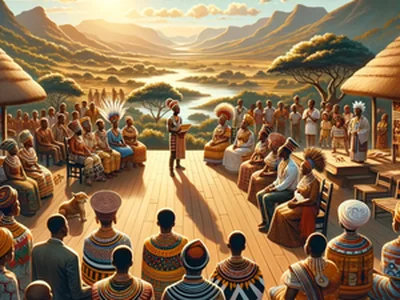
- Traditionally, the Kpelle rely on elders and chiefs to mediate disputes. The palaver hut serves as a communal space for discussion and resolution, emphasizing consensus-building and reconciliation.
- Cultural Exchange Programs
- Today, cultural exchange initiatives often involve local festivals where neighboring communities are invited to participate, showcasing music, dance, and cuisine. Educational exchanges also occur through local and international NGOs.
- Trade Relations
- Historically, the Kpelle engaged in trade with nearby groups, exchanging agricultural products for goods like cloth and salt. Modern trade relations include both local markets and regional trade with a focus on agricultural exports.
- Shared Artistic Projects
- Collaborative artistic endeavors often take place during regional festivals, where joint performances and workshops in traditional music and dance are common.
- Intercultural Marriages
- Intercultural marriages are generally accepted, especially with neighboring ethnic groups, and often serve to strengthen alliances and social cohesion.
- Shared Educational Initiatives
- Shared educational programs often focus on literacy and vocational training, with NGOs and government agencies working across cultural lines to improve educational access for all communities.
- Youth Perspectives
- Kpelle youth are increasingly focused on education and economic opportunities, aspiring to balance traditional values with modern advancements.
- Education Initiatives
- Educational priorities include improving access to primary and secondary education, with emphasis on literacy and STEM subjects to prepare youth for diverse employment opportunities.
- Future Challenges
- Anticipated challenges include economic instability, climate change impacts, and preserving cultural identity amidst globalization.
- Youth Employment Trends
- Youth employment is shifting towards service and technology sectors, though agriculture remains a significant source of livelihood.
- Future Visions
- The community envisions a future where traditional values are upheld alongside modern developments, with a focus on sustainability and education.
- Youth Leadership Roles
- Youth are increasingly taking on leadership roles in community development and local governance, often driving initiatives for social change and innovation.
- Innovation And Startups
- Youth-driven entrepreneurship is on the rise, with small startups focusing on technology, agriculture, and crafts, supported by local incubators and NGOs.
- Festivals And Celebrations
- Major festivals include the Poro and Sande ceremonies, which feature music, dance, and rituals to celebrate cultural heritage and community solidarity.
- Traditional Medicine Practices
- Traditional healing involves herbal remedies and spiritual practices, with healers playing a crucial role in community health.
- Environmental Practices
- The Kpelle practice sustainable agriculture and forest management, emphasizing crop rotation and conservation.
- Rituals
- Key rituals involve rites of passage, harvest celebrations, and ancestral worship, reinforcing social bonds and cultural identity.
- Rites Of Passage
- Coming-of-age ceremonies for boys and girls mark the transition to adulthood, involving instruction in cultural values and practical skills.
- Culinary Traditions
- Staple foods include rice, cassava, and plantains, with dishes often featuring spicy stews and grilled meats.
- Climate Adaptation Strategies
- To adapt to climate change, the Kpelle are implementing water conservation techniques and diversifying crops to increase resilience.
- Biodiversity Conservation
- Efforts in biodiversity conservation include community-led forest protection and traditional ecological knowledge to manage natural resources.
- Sustainable Tourism Practices
- Sustainable tourism initiatives focus on eco-friendly tours and cultural experiences that benefit local communities.
- Renewable Energy Use
- Renewable energy projects, such as small-scale solar installations, are being introduced to improve energy access.
- Community Involvement In Practices
- Community participation is integral to cultural practices, with collective decision-making and shared responsibilities in managing cultural and environmental activities.
- Environmental Education Programs
- Environmental education programs aim to raise awareness about conservation and sustainable practices among youth and the broader community.
- Notable Figures
- Prominent figures include Bai T. Moore, a celebrated Kpelle writer and cultural advocate, known for his literary contributions and efforts to preserve Kpelle culture.
- Cultural Innovations
- The Kpelle have innovated in music and dance, with traditional rhythms influencing broader West African musical styles.
- Literary Works
- Important literary contributions include oral traditions and folklore, with stories that convey moral lessons and cultural values.
- Architectural Styles
- Traditional Kpelle architecture includes round huts with thatched roofs, designed for natural cooling and communal living.
- Scientific Contributions
- While not widely recognized for scientific achievements, the Kpelle contribute to agricultural science through indigenous knowledge in sustainable farming practices.
- Culinary Innovations
- Culinary contributions include unique spice blends and preparation techniques that have influenced regional cuisine.
- Global Influence
- The Kpelle have influenced global culture through their music, dance, and storytelling, contributing to the wider West African cultural tapestry.
- Awards And Recognition
- Kpelle cultural ambassadors have received recognition for their work in promoting peace and cultural understanding, though formal awards are less common.
- Modern Influences
- Contemporary influences include Western education, technology, and media, which are integrated with traditional practices to create hybrid cultural forms.
- Digital Presence
- The Kpelle are increasingly engaging online, with social media platforms used to connect diaspora communities and share cultural content.
- Globalization Effects
- Globalization has brought both opportunities and challenges, such as increased access to information and the risk of cultural homogenization.
- Urbanization Effects
- Urban migration has led to changes in social structures, with younger generations navigating urban life while maintaining rural ties.
- Technology Adoption
- Technology adoption is growing, with mobile phones and internet access facilitating communication and access to information.
- Hybrid Cultural Forms
- Hybrid cultural forms emerge as traditional music and dance are blended with modern genres, appealing to both local and global audiences.
- Social Media Presence
- Social media platforms are used to promote cultural events, share traditional stories, and engage with a global audience, strengthening cultural identity.
- Challenges
- Current challenges include economic pressures, cultural erosion due to external influences, and political instability affecting community cohesion.
- Preservation Efforts
- Efforts to preserve cultural heritage include documenting oral traditions, promoting traditional arts, and educational programs emphasizing cultural pride.