
Koryaks
Kamchatka Krai, Russia KoryakRussian
The Koryaks are an indigenous people of the Russian Far East, primarily residing in the Kamchatka Krai region. They are known for their rich traditions, including reindeer herding and a deep connection to their natural environment.
Historical Context
The Koryaks have a long history of living in the harsh climates of the Kamchatka Peninsula. Traditionally, they were semi-nomadic, relying on reindeer herding, fishing, and hunting. Their history includes interactions with Russian explorers and traders, which have influenced their culture.
Migration Patterns
Historically, the Koryaks migrated seasonally with their reindeer herds. In modern times, some have moved to urban areas for economic opportunities, though many still maintain traditional lifestyles.
Conflict And Resilience History
The Koryaks have faced numerous challenges throughout history, including Russian colonization and Soviet assimilation policies. Despite these pressures, they have maintained many of their traditional practices and cultural identity.
Diaspora Perspectives
The Koryak diaspora is limited, with most Koryaks remaining in their traditional territories. Those who have moved often seek to maintain cultural connections through community events and cultural organizations.
Regional Variations
There are two main groups within the Koryaks: the coastal Nymylan, who are primarily fishers, and the inland Chavchuven, who are reindeer herders.
Bridging Notes
Understanding the Koryaks' resilience and adaptation to external influences is crucial for appreciating their cultural continuity.
Spiritual And Religious Practices
The Koryaks traditionally practice animism, with a belief in spirits inhabiting natural elements. Shamanism plays a significant role in their spiritual life, with shamans acting as mediators between the human and spirit worlds.
Beliefs And Worldview
The Koryaks hold a deep respect for nature and the interconnectedness of all living things. Their worldview emphasizes harmony with the environment and the importance of community.
Cultural Proverbs Sayings
Proverbs often reflect the Koryaks' relationship with nature, such as 'The reindeer is our bread' and 'The sea is our mother.'
Naming Conventions And Terms Of Address
Names often reflect natural elements or animals, and terms of address are used to show respect, particularly towards elders and shamans.
Health And Mental Health
Traditional health practices are still prevalent, with a focus on natural remedies and shamanic healing. Access to modern healthcare can be limited in remote areas.
Mental Health Views
Mental health is traditionally viewed through a holistic lens, with an emphasis on community and spiritual well-being. Traditional practices often involve shamanistic rituals to address mental and physical ailments.
Traditional Healers
Shamans play a significant role in Koryak health practices, using rituals and natural remedies to heal both physical and spiritual ailments.
Gender Roles In Healthcare
Traditionally, women are caregivers within the family, while shamans, who can be of any gender, play a crucial role in community health.
Healthcare Barriers
Access to modern healthcare can be limited due to remote living conditions and cultural differences. Language barriers and a lack of culturally sensitive healthcare providers also pose challenges.
Education And Learning Styles
Education among the Koryaks traditionally involves oral transmission of knowledge, with elders teaching younger generations about cultural practices, survival skills, and history.
Learning Styles
Koryak learning styles traditionally emphasize oral storytelling, hands-on experiences, and observation, particularly in the context of learning survival skills and cultural traditions.
Parental Engagement
Parents and elders are actively involved in the education of children, emphasizing the importance of cultural heritage and practical skills.
Family And Social Structure
Koryak society is organized around extended family units, with strong kinship ties and communal living arrangements.
Discipline And Behavior
Discipline is often community-based, with a focus on maintaining harmony and respect within the group.
Authority Attitudes
Elders and shamans hold significant authority, respected for their wisdom and spiritual guidance.
Etiquette And Customs
Hospitality is a key custom, with guests often offered food and shelter. Respect for elders and communal decision-making are important social norms.
Community Strengths Resilience
The Koryaks' resilience is rooted in their strong community bonds, adaptability, and deep connection to their land and traditions.
Art Music And Expression
Koryak art includes intricate carvings, beadwork, and textiles, often depicting animals and natural scenes. Music and dance are integral to cultural celebrations.
Cultural Symbols Motifs
Common motifs include reindeer, fish, and birds, symbolizing the Koryaks' connection to nature.
What Brings Joy
Community gatherings, storytelling, and traditional festivals bring joy and reinforce cultural identity.
Celebrations Joyful Traditions
Festivals such as the Reindeer Herder's Day celebrate traditional livelihoods and cultural heritage.
Cultural Calendar And Holidays
The Koryaks celebrate various traditional festivals, often linked to the reindeer herding cycle and seasonal changes. These include the Reindeer Breeders' Day, which involves communal feasting and traditional games.
Additional Notes
Koryak culture is rich in oral traditions, with storytelling, music, and dance playing crucial roles in cultural expression and the transmission of knowledge.
Economic Context And Occupations
The Koryaks' economy traditionally revolves around reindeer herding, fishing, and hunting. Modern influences have introduced new occupations, but traditional practices remain vital.
Housing And Living Arrangements
Many Koryaks live in yarangas, traditional tents made from reindeer hides, although modern housing is also present in some areas.
Nutrition And Dietary Norms
The diet is heavily based on locally sourced foods, including fish, reindeer meat, and berries, reflecting the Koryaks' reliance on their natural environment.
Interpretation Needs
Koryak speakers may require interpretation services when accessing services outside their community, particularly in healthcare and legal settings.
Interpreter Notes
Interpreters familiar with both Koryak and Russian are essential for effective communication, especially in healthcare and legal contexts.
Documentation Traditions
Traditionally, the Koryaks have relied on oral traditions for documentation, with stories and histories passed down through generations verbally.
Interactions With Other Cultures
The Koryaks have historically interacted with neighboring indigenous groups and Russian settlers, leading to cultural exchanges and adaptations.
Conflict Resolution Mechanisms
Traditional conflict resolution involves community discussions led by elders, focusing on restoring harmony.
Cultural Exchange Programs
There are occasional cultural exchange programs with other indigenous groups in the Russian Far East, focusing on sharing traditional knowledge and practices.
Trade Relations
Trade with neighboring cultures and Russian settlers historically included goods like furs, fish, and reindeer products.
Shared Artistic Projects
Collaborative art projects with neighboring indigenous groups often focus on traditional crafts and storytelling.
Intercultural Marriages
Intermarriage with neighboring indigenous groups and Russians has occurred, contributing to cultural blending.
Shared Educational Initiatives
Educational initiatives sometimes involve collaboration with other indigenous communities to preserve languages and cultural practices.
Youth Perspectives
Koryak youth are increasingly balancing traditional practices with modern influences, seeking education and opportunities while preserving their cultural identity.
Education Initiatives
Programs aimed at preserving the Koryak language and culture are increasingly involving youth, with a focus on integrating traditional knowledge with modern education.
Future Challenges
Challenges include preserving language and culture in the face of modernization and ensuring sustainable economic opportunities.
Youth Employment Trends
Many Koryak youth are seeking employment opportunities in urban areas, though there is a strong desire to maintain cultural ties and return to traditional practices.
Future Visions
The Koryak community envisions a future where traditional practices are preserved and integrated with modern advancements, ensuring cultural continuity.
Youth Leadership Roles
Youth are encouraged to take on leadership roles in cultural preservation and community development.
Innovation And Startups
There is a growing interest among Koryak youth in startups that focus on sustainable practices and cultural tourism.
Festivals And Celebrations
Festivals are vital for cultural expression, including traditional dances, music, and communal feasts.
Traditional Medicine Practices
Herbal remedies and shamanic rituals are integral to traditional medicine, emphasizing holistic health.
Environmental Practices
Sustainable practices are crucial, with a focus on maintaining balance with nature through responsible hunting and fishing.
Rituals
Rituals often involve offerings to spirits and ceremonies led by shamans to ensure community well-being.
Rites Of Passage
Rites of passage mark significant life stages, such as coming of age, often involving community celebrations and teachings.
Culinary Traditions
Culinary practices emphasize local ingredients, with dishes like fish soup and reindeer stew being staples.
Climate Adaptation Strategies
Adaptation strategies include traditional knowledge of weather patterns and sustainable resource management.
Biodiversity Conservation
Conservation efforts focus on protecting the natural habitats that are crucial for traditional livelihoods.
Sustainable Tourism Practices
Efforts are being made to develop tourism that respects and preserves Koryak culture and the natural environment, focusing on eco-friendly practices.
Renewable Energy Use
There is an increasing interest in utilizing renewable energy sources, such as wind and solar, to reduce reliance on external energy supplies.
Community Involvement In Practices
Community involvement is key in environmental practices, with collective decision-making ensuring sustainable resource use.
Environmental Education Programs
Programs are being developed to educate both Koryak youth and visitors about the importance of environmental conservation and sustainable living practices.
Notable Figures
Notable figures include Koryak shamans and community leaders who have played significant roles in cultural preservation.
Cultural Innovations
Innovations include adaptations of traditional crafts and music to modern contexts, preserving cultural heritage.
Literary Works
Oral literature, including myths and legends, is a rich part of Koryak cultural heritage.
Architectural Styles
Traditional architecture includes the yaranga, a portable dwelling suited to the harsh climate.
Scientific Contributions
The Koryaks have contributed to ethnobotanical knowledge, particularly in the use of local plants for medicinal purposes.
Culinary Innovations
Koryak cuisine includes unique methods of preserving and preparing fish and reindeer meat, which are gaining interest in broader culinary circles.
Global Influence
The Koryaks' cultural practices contribute to the global understanding of indigenous resilience and adaptation.
Awards And Recognition
Koryak cultural practices and crafts have been recognized in various indigenous cultural festivals and exhibitions.
Modern Influences
Modern influences include increased access to education and technology, impacting traditional lifestyles.
Digital Presence
The Koryak community is increasingly using digital platforms to share cultural knowledge and connect with the diaspora.
Globalization Effects
Globalization has brought both opportunities and challenges, influencing cultural practices and economic activities.
Urbanization Effects
Urbanization has led to shifts in traditional lifestyles, with some Koryaks moving to cities for education and employment, while still maintaining cultural ties.
Technology Adoption
Technology is increasingly used for communication and cultural preservation, such as documenting oral traditions.
Hybrid Cultural Forms
Hybrid forms include blending traditional music with modern genres, appealing to younger generations.
Social Media Presence
Social media is being used by Koryak youth to promote cultural heritage and engage with global indigenous networks.
Challenges
Challenges include cultural assimilation, language loss, and economic pressures threatening traditional lifestyles.
Preservation Efforts
Efforts focus on language revitalization, cultural education programs, and promoting traditional practices.
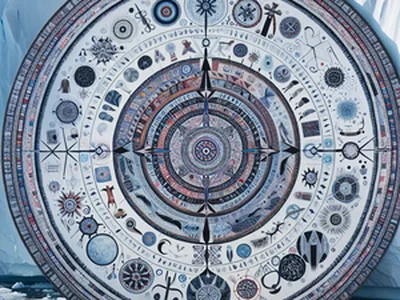
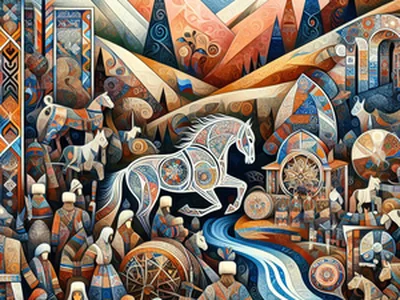
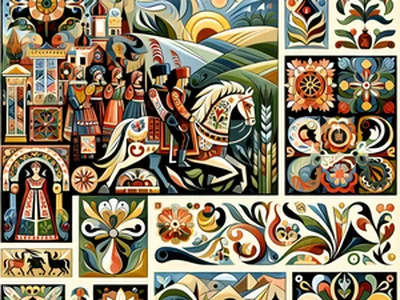
Cultural Artwork
Community Discussion
Further Reading
Explore credible external sources to deepen your understanding of Koryaks culture.