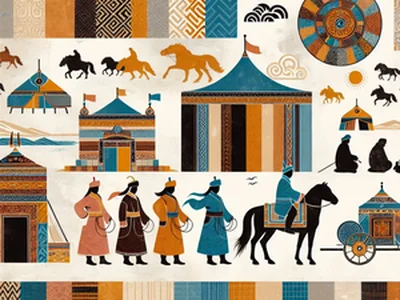


Korean
East Asia Korean
The Korean culture is a rich and vibrant heritage that has been shaped by its history, geography, and traditions.
Historical Context
Korea has a long and complex history, with periods of unification and division.
Migration Patterns
Koreans have migrated to various parts of the world, including China, Japan, and the United States.
Conflict And Resilience History
Korea has experienced numerous conflicts throughout its history, including the Korean War. Despite these challenges, Koreans have shown remarkable resilience and adaptability.
Diaspora Perspectives
The Korean diaspora is a significant aspect of Korean culture, with communities found in many countries around the world.
Regional Variations
Korea has several regional variations, including North Korea and South Korea.
Spiritual And Religious Practices
Buddhism, Confucianism, and shamanism are the primary spiritual and religious practices in Korean culture.
Beliefs And Worldview
Koreans believe in a complex cosmology that includes spirits, ancestors, and deities.
Cultural Proverbs Sayings
Examples of Korean proverbs include 'Jeong' (love) and 'Hana' (one's own).
Naming Conventions And Terms Of Address
Korean names typically consist of a family name followed by a given name. Respectful terms of address include 'ajumma' (older woman) and 'halmeoni' (grandmother).
Health And Mental Health
Mental health is an important aspect of Korean culture, with a strong emphasis on social support networks.
Mental Health Views
Koreans view mental health as closely tied to physical health and overall well-being.
Traditional Healers
Traditional healers in Korea include shamans and herbalists.
Gender Roles In Healthcare
Women play a significant role in healthcare in Korean culture, particularly in traditional medicine.
Healthcare Barriers
Barriers to healthcare access in Korea include cost and lack of insurance coverage.
Education And Learning Styles
Korean education emphasizes rote memorization and respect for authority.
Learning Styles
Students in Korea often learn through repetition and practice, rather than critical thinking or creativity.
Parental Engagement
Parents in Korea are highly involved in their children's education, often attending school events and monitoring progress closely.
Family And Social Structure
Korean society is highly collectivist, with a strong emphasis on family and social relationships.
Discipline And Behavior
Discipline and behavior in Korean culture are shaped by Confucian values of respect and obedience.
Authority Attitudes
Authority figures in Korea are typically respected and obeyed without question.
Etiquette And Customs
Etiquette and customs in Korea include bowing, using both hands to give or receive something, and avoiding public displays of affection.
Community Strengths Resilience
Korean communities are known for their strong social support networks and resilience in the face of adversity.
Art Music And Expression
Traditional Korean art forms include calligraphy, painting, and music.
Cultural Symbols Motifs
Examples of Korean cultural symbols include the taegeuk (yin-yang symbol) and the yongwang (dragon king).
What Brings Joy
Koreans often find joy in traditional activities such as playing the gayageum (a 12-stringed zither) or watching a traditional dance performance.
Celebrations Joyful Traditions
Examples of Korean celebrations include Seollal (Lunar New Year) and Chuseok (Harvest Festival).
Cultural Calendar And Holidays
Korea has a rich cultural calendar, with many holidays and festivals throughout the year.
Economic Context And Occupations
The Korean economy is driven by technology and manufacturing industries.
Housing And Living Arrangements
Housing in Korea is often small but densely populated, with a strong emphasis on community living.
Nutrition And Dietary Norms
Korean cuisine emphasizes fermented foods, spices, and vegetables.
Interpretation Needs
Interpretation services may be needed for non-Korean speakers in Korea.
Interpreter Notes
Interpreters in Korea often specialize in specific languages or industries.
Documentation Traditions
Documentation traditions in Korea include using both hands to give or receive documents.
Interactions With Other Cultures
Korea has a long history of interactions with other cultures, including China, Japan, and the United States.
Conflict Resolution Mechanisms
Conflicts in Korea are often resolved through mediation or arbitration.
Cultural Exchange Programs
Cultural exchange programs between Korea and other countries have increased in recent years.
Trade Relations
Korea has a significant trade relationship with China, Japan, and the United States.
Shared Artistic Projects
Examples of shared artistic projects include K-pop collaborations and joint film productions.
Intercultural Marriages
Intercultural marriages between Koreans and people from other countries are becoming more common.
Shared Educational Initiatives
Korea has partnered with other countries to develop educational initiatives, such as the Korean government's 'New Education Policy'.
Youth Perspectives
Young Koreans often prioritize education and career advancement over traditional values.
Education Initiatives
The Korean government has implemented various education initiatives, including the 'New Education Policy' and the 'Korean Education Reform Act'.
Future Challenges
Challenges facing Korea in the future include an aging population, economic inequality, and environmental degradation.
Youth Employment Trends
Youth employment trends in Korea are shifting towards more flexible and creative work arrangements.
Future Visions
Koreans envision a future with greater social mobility, equality, and environmental sustainability.
Youth Leadership Roles
Young Koreans are increasingly taking on leadership roles in politics, business, and civil society.
Innovation And Startups
Innovation and entrepreneurship are thriving in Korea, particularly in the tech industry.
Festivals And Celebrations
Examples of Korean festivals include Seollal (Lunar New Year) and Chuseok (Harvest Festival).
Traditional Medicine Practices
Traditional healers in Korea include shamans and herbalists.
Environmental Practices
Koreans are increasingly adopting environmentally friendly practices, such as reducing plastic use and conserving energy.
Culinary Traditions
Korean cuisine emphasizes fermented foods, spices, and vegetables.
Climate Adaptation Strategies
Korea is developing climate adaptation strategies to mitigate the effects of climate change.
Community Involvement In Practices
Community involvement in environmental practices is increasing, particularly among young people.
Environmental Education Programs
Environmental education programs are becoming more widespread in Korea, particularly in schools.
Notable Figures
Examples of notable Koreans include Kim Il-sung, Park Chung-hee, and Lee Byung-chul.
Cultural Innovations
Korea has made significant cultural innovations, including the development of K-pop and Korean Wave (Hallyu) culture.
Literary Works
Examples of literary works from Korea include 'The Tale of Shim Cheong' and 'The Memoirs of a Geisha'.
Architectural Styles
Korean architecture is characterized by traditional styles, such as the hanok (traditional Korean house).
Scientific Contributions
Korea has made significant scientific contributions, including the development of advanced technology and medical treatments.
Culinary Innovations
Korean cuisine has gained international recognition for its unique flavors and ingredients.
Global Influence
Korean culture has had a significant global influence, particularly in the areas of fashion, music, and film.
Awards And Recognition
Korea has received numerous awards and recognition for its cultural achievements, including UNESCO's 'Intangible Cultural Heritage' designation.
Modern Influences
Modern influences on Korean culture include globalization, urbanization, and technological advancements.
Digital Presence
Koreans are increasingly active online, with a strong presence in social media and e-commerce.
Globalization Effects
Globalization has had both positive and negative effects on Korea, including increased economic growth but also cultural homogenization.
Urbanization Effects
Urbanization in Korea has led to increased economic opportunities but also environmental degradation and social inequality.
Technology Adoption
Korea is a leader in technology adoption, particularly in the areas of smartphones, internet connectivity, and e-commerce.
Hybrid Cultural Forms
Hybrid cultural forms are emerging in Korea, such as K-pop fusion music and Korean-Chinese cuisine.
Social Media Presence
Social media platforms have become increasingly popular in Korea, with many Koreans using them for both personal and professional purposes.
Challenges
Challenges facing Korean culture include an aging population, economic inequality, and environmental degradation.
Preservation Efforts
Efforts to preserve Korean cultural heritage are ongoing, including UNESCO's 'Intangible Cultural Heritage' designation and the Korean government's 'Cultural Preservation Act'.
Cultural Artwork
Community Discussion
Further Reading
Explore credible external sources to deepen your understanding of Korean culture.