
Kenyan
East Africa SwahiliEnglishKikuyuLuo
Kenyan culture is a vibrant tapestry woven from the diverse ethnic groups that inhabit the country, each contributing unique traditions, languages, and customs.
Historical Context
Kenya's history is marked by the migration of various ethnic groups, colonial rule by the British, and a struggle for independence achieved in 1963.
Migration Patterns
Kenya has seen significant migration from neighboring countries due to its economic opportunities and political stability.
Conflict And Resilience History
Kenya has experienced ethnic tensions and post-election violence, but has shown resilience through peace-building initiatives.
Diaspora Perspectives
The Kenyan diaspora is active in promoting cultural heritage and contributing to the economy through remittances.
Regional Variations
Cultural practices vary significantly between regions, influenced by the predominant ethnic groups and their traditions.
Bridging Notes
Efforts to bridge cultural differences include national celebrations and policies promoting unity and diversity.
Spiritual And Religious Practices
Kenya is predominantly Christian, with a significant Muslim minority. Traditional African religions also play a role in spiritual practices.
Beliefs And Worldview
Community and family are central to the Kenyan worldview, with a strong emphasis on respect for elders and communal support.
Cultural Proverbs Sayings
Proverbs such as 'Unity is strength, division is weakness' reflect the value placed on community cohesion.
Naming Conventions And Terms Of Address
Naming conventions often include a given name, a family name, and sometimes a name reflecting the circumstances of birth or family lineage.
Health And Mental Health
Healthcare in Kenya is a mix of modern and traditional practices, with challenges in accessibility and resource allocation.
Mental Health Views
Mental health is often stigmatized, but awareness is growing with increased advocacy and education.
Traditional Healers
Traditional healers play a significant role in rural areas, providing herbal remedies and spiritual guidance.
Gender Roles In Healthcare
Women are primary caregivers, but there is increasing advocacy for gender equality in healthcare access and decision-making.
Healthcare Barriers
Barriers include economic constraints, geographical access, and cultural beliefs about illness and treatment.
Education And Learning Styles
Education is highly valued, with a focus on both formal schooling and traditional knowledge transmission.
Learning Styles
Learning often involves a mix of rote memorization and experiential learning, with storytelling as a key method.
Parental Engagement
Parents are actively involved in their children's education, often prioritizing it despite economic challenges.
Family And Social Structure
Kenyan society is largely patriarchal, with extended families playing a crucial role in social structure and support.
Discipline And Behavior
Discipline is often community-based, with elders playing a significant role in guiding behavior.
Authority Attitudes
Respect for authority is deeply ingrained, with elders and community leaders holding significant influence.
Etiquette And Customs
Etiquette emphasizes respect, greetings, and hospitality, with customs varying across ethnic groups.
Community Strengths Resilience
Communities are resilient, often coming together to support each other in times of need through communal activities and networks.
Art Music And Expression
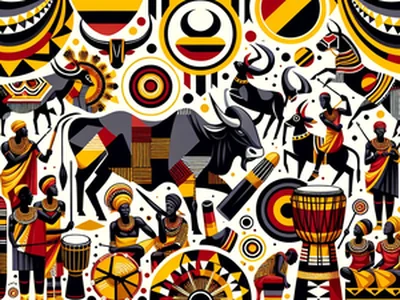
Kenya is known for its rich musical heritage, including genres like Benga and Taarab, and vibrant visual arts.
Cultural Symbols Motifs
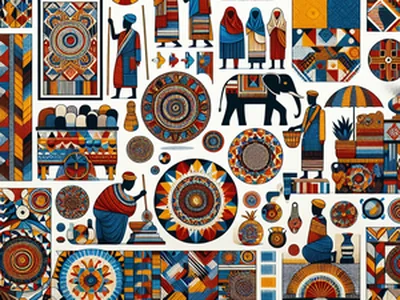
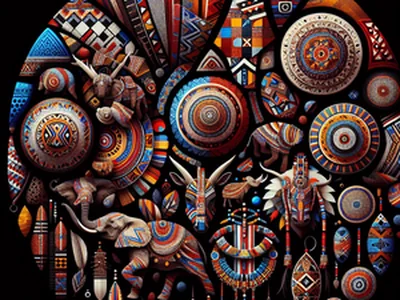
Symbols such as the Maasai shuka and the Kikuyu shield are iconic in Kenyan culture.
What Brings Joy
Music, dance, and storytelling are central to Kenyan celebrations and daily life, bringing joy and unity.
Celebrations Joyful Traditions
National holidays like Jamhuri Day and cultural festivals such as the Lamu Cultural Festival are celebrated with enthusiasm.
Cultural Calendar And Holidays
Key holidays include Madaraka Day, Mashujaa Day, and religious celebrations like Christmas and Eid.
Additional Notes
Kenyan culture is dynamic, with a growing influence of contemporary art and fusion music styles.
Economic Context And Occupations
Kenya's economy is diverse, with agriculture, tourism, and technology as key sectors.
Housing And Living Arrangements
Housing varies from urban apartments to rural homesteads, with a trend towards urbanization.
Nutrition And Dietary Norms
Diet is diverse, with staples like ugali and sukuma wiki, and a growing interest in healthy eating.
Interpretation Needs
Interpretation services are often needed in healthcare and legal settings due to linguistic diversity.
Interpreter Notes
Interpreters should be culturally sensitive and aware of regional dialects and nuances.
Documentation Traditions
Oral traditions are strong, but there is a growing emphasis on written documentation for preservation.
Interactions With Other Cultures
Kenya has a history of cultural exchange with neighboring countries and global partners.
Conflict Resolution Mechanisms
Traditional councils and modern legal systems are used to resolve conflicts.
Cultural Exchange Programs
Programs exist to promote cultural understanding and exchange, particularly in education and the arts.
Trade Relations
Kenya engages in trade with regional and international partners, with a focus on agriculture and technology.
Shared Artistic Projects
Collaborations in music and art are common, fostering intercultural dialogue.
Intercultural Marriages
Intercultural marriages are increasingly common, reflecting Kenya's diverse society.
Shared Educational Initiatives
Educational partnerships with international institutions are growing, enhancing cultural exchange.
Youth Perspectives
Kenyan youth are optimistic, valuing education and technology as pathways to success.
Education Initiatives
Government and NGOs are investing in education to improve access and quality.
Future Challenges
Challenges include unemployment, political instability, and climate change.
Youth Employment Trends
There is a shift towards entrepreneurship and technology-driven careers.
Future Visions
Kenyan youth envision a future with greater economic opportunities and social equality.
Youth Leadership Roles
Youth are increasingly taking on leadership roles in politics and community development.
Innovation And Startups
Kenya is a hub for innovation, with a growing startup ecosystem in Nairobi.
Festivals And Celebrations
Festivals like the Mombasa Carnival and the Lake Turkana Festival celebrate cultural diversity.
Traditional Medicine Practices
Herbal medicine and spiritual healing are integral to traditional healthcare.
Environmental Practices
Community-based conservation efforts are prominent, focusing on wildlife and natural resources.
Rituals
Rituals often mark life events such as births, marriages, and funerals, varying by ethnic group.
Rites Of Passage
Rites of passage, such as circumcision ceremonies, are significant in many communities.
Culinary Traditions
Kenyan cuisine is diverse, with influences from Indian, Arab, and European cooking.
Climate Adaptation Strategies
Communities are adopting sustainable farming practices to combat climate change.
Biodiversity Conservation
Kenya is committed to conserving its rich biodiversity through national parks and reserves.
Sustainable Tourism Practices
Efforts are underway to promote eco-friendly tourism that benefits local communities.
Renewable Energy Use
Kenya is investing in renewable energy, particularly geothermal and wind power.
Community Involvement In Practices
Local communities are actively involved in environmental conservation and cultural preservation.
Environmental Education Programs
Programs aim to educate the public on environmental issues and sustainable practices.
Notable Figures
Figures like Wangari Maathai and Ngũgĩ wa Thiong'o have made significant cultural contributions.
Cultural Innovations
Kenya is known for innovations in mobile technology, such as M-Pesa.
Literary Works
Kenyan literature is rich, with authors like Binyavanga Wainaina gaining international acclaim.
Architectural Styles
Kenyan architecture blends traditional styles with modern influences, seen in urban and rural settings.
Scientific Contributions
Kenyan scientists are active in fields like environmental science and medicine.
Culinary Innovations
Fusion cuisine is emerging, blending traditional Kenyan flavors with global influences.
Global Influence
Kenya's cultural influence is growing, particularly in music, literature, and technology.
Awards And Recognition
Kenyan artists and innovators have received international awards, highlighting their global impact.
Modern Influences
Globalization has brought new cultural influences, seen in fashion, music, and technology.
Digital Presence
Kenya has a strong digital presence, with widespread internet access and social media use.
Globalization Effects
Globalization has led to cultural exchange and the blending of traditional and modern practices.
Urbanization Effects
Urbanization is reshaping social structures, with more people moving to cities for opportunities.
Technology Adoption
Kenya is a leader in technology adoption, particularly in mobile and financial tech.
Hybrid Cultural Forms
Hybrid cultural forms are emerging, blending traditional and contemporary elements.
Social Media Presence
Social media is a powerful tool for cultural expression and social change in Kenya.
Challenges
Challenges include preserving cultural heritage amidst modernization and addressing ethnic tensions.
Preservation Efforts
Efforts are underway to document and preserve traditional practices and languages.
Cultural Artwork
Community Discussion
Further Reading
Explore credible external sources to deepen your understanding of Kenyan culture.