
Kazakhstan
Central Asia KazakhRussian
Kazakhstan is a culturally rich nation in Central Asia, known for its diverse ethnic composition and a blend of traditional and modern influences.
Historical Context
Kazakhstan has a rich history influenced by nomadic tribes, the Mongol Empire, and later the Soviet Union. It gained independence in 1991.
Migration Patterns
Historically, Kazakhstan has seen migrations of nomadic tribes, Russian settlers during the Soviet era, and more recently, a return of ethnic Kazakhs from abroad.
Conflict And Resilience History
Kazakhstan has experienced periods of conflict, particularly during the Soviet era, but has shown resilience through cultural preservation and economic development.
Diaspora Perspectives
The Kazakh diaspora, found in countries like Russia, China, and Mongolia, maintains strong cultural ties and often participates in cultural exchange programs.
Regional Variations
Kazakhstan's regions vary culturally, with the south being more traditional and the north more influenced by Russian culture.
Bridging Notes
Kazakhstan serves as a cultural bridge between Europe and Asia, with its diverse population fostering a unique blend of traditions.
Spiritual And Religious Practices
Islam is the predominant religion, with a significant Christian minority. Traditional beliefs and practices are also observed, particularly in rural areas.
Beliefs And Worldview
Kazakh culture values hospitality, respect for elders, and a strong sense of community. The worldview is shaped by both Islamic and nomadic traditions.
Cultural Proverbs Sayings
Proverbs such as 'A friend is known in trouble' reflect the importance of friendship and loyalty in Kazakh culture.
Naming Conventions And Terms Of Address
Kazakh names often reflect Islamic and Turkic influences, with patronymics commonly used. Respectful terms of address are important, especially for elders.
Health And Mental Health
Healthcare in Kazakhstan is a mix of public and private services, with traditional medicine still playing a role in rural areas.
Mental Health Views
Mental health is gaining recognition, though stigma remains. Efforts are underway to improve mental health services and awareness.
Traditional Healers
Traditional healers, known as 'baksys', are still consulted, particularly in rural communities, for spiritual and physical ailments.
Gender Roles In Healthcare
Gender roles in healthcare are evolving, with increasing female participation in medical professions, though traditional roles persist in some areas.
Healthcare Barriers
Barriers include access to services in rural areas, language differences, and economic disparities.
Education And Learning Styles
Kazakhstan places a strong emphasis on education, with a system influenced by both Soviet and modern educational practices.
Learning Styles
Learning often emphasizes memorization and discipline, though there is a growing shift towards critical thinking and creativity.
Parental Engagement
Parents are highly involved in their children's education, often prioritizing academic success and extracurricular activities.
Family And Social Structure
Family is central to Kazakh society, with extended families often living together and strong kinship ties.
Discipline And Behavior
Discipline is typically strict, with an emphasis on respect for elders and adherence to cultural norms.
Authority Attitudes
Respect for authority is ingrained, with elders and community leaders holding significant influence.
Etiquette And Customs
Kazakh customs emphasize hospitality, with guests often receiving special treatment. Traditional greetings and gift-giving are important.
Community Strengths Resilience
Kazakh communities are known for their resilience, drawing strength from cultural traditions and a strong sense of identity.
Art Music And Expression
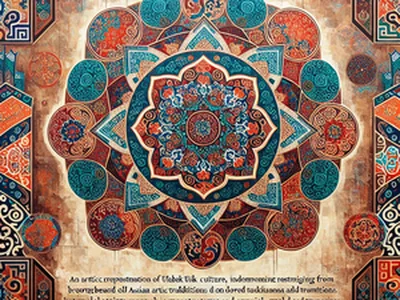
Kazakhstan has a rich tradition of music and arts, including the dombra, a traditional string instrument, and intricate carpet weaving.
Cultural Symbols Motifs
The golden eagle and the yurt are significant cultural symbols, representing freedom and nomadic heritage.
What Brings Joy
Community gatherings, traditional music, and festivals bring joy to Kazakh people, fostering a sense of belonging and cultural pride.
Celebrations Joyful Traditions
Nauryz, the Persian New Year, is a major celebration, marked by feasting, music, and traditional games.
Cultural Calendar And Holidays
Key holidays include Nauryz, Independence Day, and various Islamic holidays, each celebrated with unique customs.
Additional Notes
Kazakhstan's cultural expression is a vibrant mix of traditional and contemporary influences, reflecting its diverse heritage.
Economic Context And Occupations
Kazakhstan's economy is driven by oil, gas, and mining industries, with agriculture and services also playing significant roles.
Housing And Living Arrangements
Urbanization is increasing, with many living in apartments in cities, while rural areas maintain traditional housing styles.
Nutrition And Dietary Norms
Kazakh cuisine features meat, dairy, and bread, with traditional dishes like beshbarmak and kumis being staples.
Interpretation Needs
Interpretation services are often needed for non-Kazakh speakers, particularly in rural areas where Kazakh is predominantly spoken.
Interpreter Notes
Interpreters should be aware of cultural nuances and the importance of respectful communication.
Documentation Traditions
Documentation often reflects Soviet influences, with a strong emphasis on formal record-keeping and official documentation.
Interactions With Other Cultures
Kazakhstan has a history of cultural exchange with neighboring countries and regions, fostering a diverse cultural landscape.
Conflict Resolution Mechanisms
Traditional methods of conflict resolution often involve community elders and consensus-building practices.
Cultural Exchange Programs
Kazakhstan participates in various cultural exchange programs, promoting mutual understanding and cultural appreciation.
Trade Relations
Kazakhstan maintains strong trade relations with Russia, China, and other Central Asian countries.
Shared Artistic Projects
Collaborative artistic projects with neighboring countries are common, reflecting shared cultural heritage.
Intercultural Marriages
Intercultural marriages are increasingly common, reflecting the diverse ethnic composition of the country.
Shared Educational Initiatives
Educational initiatives often involve partnerships with international institutions, promoting cross-cultural learning.
Youth Perspectives
Kazakh youth are increasingly global-minded, valuing education and technology while maintaining cultural traditions.
Education Initiatives
Government initiatives focus on improving education quality and accessibility, with an emphasis on STEM fields.
Future Challenges
Challenges include balancing modernization with cultural preservation and addressing economic disparities.
Youth Employment Trends
Youth employment is concentrated in urban areas, with growing opportunities in technology and service sectors.
Future Visions
Kazakhstan envisions a future as a modern, economically stable nation with a strong cultural identity.
Youth Leadership Roles
Youth are taking on leadership roles in various sectors, driving innovation and social change.
Innovation And Startups
The startup scene is growing, with young entrepreneurs leading initiatives in technology and sustainable development.
Festivals And Celebrations
Festivals like Nauryz and the Eagle Festival celebrate cultural heritage and community spirit.
Traditional Medicine Practices
Traditional medicine, including herbal remedies and spiritual healing, is practiced alongside modern medicine.
Environmental Practices
Kazakhstan is focusing on sustainable practices, particularly in agriculture and energy sectors.
Rituals
Rituals such as the 'toi' (celebratory feast) are integral to life events like weddings and births.
Rites Of Passage
Rites of passage, such as 'Tusau kesu' (cutting of the child's first steps), are important cultural milestones.
Culinary Traditions
Kazakh cuisine is rich in meat and dairy, with traditional dishes like 'beshbarmak' and 'kazy' being central to cultural identity.
Climate Adaptation Strategies
Efforts are underway to adapt to climate change, focusing on water management and sustainable agriculture.
Biodiversity Conservation
Kazakhstan is home to diverse ecosystems, with conservation efforts aimed at protecting species like the snow leopard.
Sustainable Tourism Practices
Sustainable tourism is promoted to preserve natural landscapes and cultural heritage.
Renewable Energy Use
The country is investing in renewable energy sources, particularly wind and solar, to reduce reliance on fossil fuels.
Community Involvement In Practices
Community involvement is key in environmental and cultural preservation efforts, with local initiatives playing a significant role.
Environmental Education Programs
Programs are in place to educate the public about environmental conservation and sustainable practices.
Notable Figures
Notable figures include Abai Kunanbayev, a revered poet and philosopher, and Nursultan Nazarbayev, the first President of Kazakhstan.
Cultural Innovations
Kazakhstan has contributed to cultural innovations in music, literature, and the arts, blending traditional and modern elements.
Literary Works
Kazakh literature is rich, with works by authors like Mukhtar Auezov and Olzhas Suleimenov gaining international recognition.
Architectural Styles
Kazakh architecture blends Soviet influences with traditional designs, seen in structures like the Baiterek Tower.
Scientific Contributions
Kazakhstan has made significant contributions to space exploration, with the Baikonur Cosmodrome being a key launch site.
Culinary Innovations
Kazakh cuisine is evolving, with modern interpretations of traditional dishes gaining popularity.
Global Influence
Kazakhstan's strategic location and cultural heritage give it a unique influence in Central Asia and beyond.
Awards And Recognition
Kazakhstan has received international recognition for its cultural heritage and contributions to global peace initiatives.
Modern Influences
Kazakhstan is influenced by both Western and Eastern cultures, resulting in a unique blend of traditions and modernity.
Digital Presence
The digital presence is growing, with increasing internet access and social media usage among the population.
Globalization Effects
Globalization has brought economic opportunities and cultural exchanges, but also challenges in preserving cultural identity.
Urbanization Effects
Urbanization is rapidly changing the landscape, with cities like Almaty and Nur-Sultan becoming cultural and economic hubs.
Technology Adoption
Technology adoption is widespread, with advancements in telecommunications and digital services.
Hybrid Cultural Forms
Hybrid cultural forms are emerging, blending traditional Kazakh elements with global influences in music, fashion, and art.
Social Media Presence
Social media is a significant platform for cultural expression and communication, particularly among the youth.
Challenges
Challenges include balancing modernization with cultural preservation and addressing social and economic inequalities.
Preservation Efforts
Efforts are underway to preserve cultural heritage through education, legislation, and community initiatives.
Cultural Artwork
Community Discussion
Further Reading
Explore credible external sources to deepen your understanding of Kazakhstan culture.