
Kamba
Eastern Kenya KambaSwahiliEnglish
The Kamba are a Bantu ethnic group primarily found in Kenya, known for their rich cultural heritage, traditional music, and crafts.
Historical Context
The Kamba people have a long history in Eastern Kenya, with origins tracing back to migrations from Central Africa. They have traditionally been traders, farmers, and skilled craftsmen.
Migration Patterns
Historically, the Kamba migrated from the Congo Basin to their current location in Kenya. They are known for their extensive trade networks that historically reached as far as the coast and into the interior of East Africa.
Conflict And Resilience History
The Kamba have historically faced challenges such as colonialism and land disputes. Despite these, they have shown resilience through strong community bonds and adaptability.
Diaspora Perspectives
The Kamba diaspora, primarily in urban areas and abroad, maintains cultural ties through community organizations and cultural events.
Regional Variations
There are slight variations in dialect and customs among Kamba communities in different regions, influenced by neighboring cultures.
Bridging Notes
The Kamba have historically acted as intermediaries in trade between the coast and the interior, fostering intercultural connections.
Spiritual And Religious Practices
The Kamba traditionally practice a form of African spirituality that includes ancestor worship and belief in a supreme being, Mulungu. Christianity is also widely practiced today.
Beliefs And Worldview
The Kamba worldview emphasizes harmony with nature, community cohesion, and respect for elders. They believe in the interconnectedness of all living things.
Cultural Proverbs Sayings
Proverbs are an integral part of Kamba culture, often used to convey wisdom and moral lessons. For example, 'Mundu ni mwene' (A person is their own master).
Naming Conventions And Terms Of Address
Names often reflect circumstances of birth, family lineage, or aspirations. Respectful terms of address are important, especially for elders.
Health And Mental Health
Health practices among the Kamba include a mix of traditional medicine and modern healthcare. Mental health is often approached through community support and traditional healing.
Mental Health Views
Mental health is traditionally viewed through a communal lens, with emphasis on social harmony and spiritual well-being. Traditional healers often play a role in addressing mental health issues.
Traditional Healers
The Kamba have a rich tradition of herbal medicine and spiritual healing, with traditional healers known as 'mundu mue' playing a significant role in community health.
Gender Roles In Healthcare
Traditionally, women are primary caregivers, but both genders participate in health-related decisions. There is growing acceptance of women in professional healthcare roles.
Healthcare Barriers
Access to modern healthcare can be limited by geographical distance, economic constraints, and cultural preferences for traditional medicine.
Education And Learning Styles
Education is highly valued among the Kamba, with a focus on both formal schooling and practical skills. Storytelling and oral traditions are important learning tools.
Learning Styles
Learning in Kamba culture traditionally involves oral storytelling, apprenticeship, and practical engagement with elders and skilled community members.
Parental Engagement
Parents are actively involved in their children's education, often prioritizing it despite economic challenges. Community support for education is strong.
Family And Social Structure
The Kamba social structure is centered around the family and clan. Extended families often live together, and community decisions are made collectively.
Discipline And Behavior
Discipline is traditionally enforced through community norms and the guidance of elders. Respect and obedience to elders are emphasized.
Authority Attitudes
Elders hold significant authority in Kamba communities, and their guidance is respected in both family and community matters.
Etiquette And Customs
Etiquette includes greeting elders with respect, sharing meals, and participating in communal activities. Hospitality is a key cultural value.
Community Strengths Resilience
The Kamba community is known for its resilience, adaptability, and strong social networks, which help them navigate challenges and support each other.
Art Music And Expression
The Kamba are renowned for their music and dance, often featuring traditional instruments like the 'kithungo' (drum) and 'ndingiti' (string instrument). Craftsmanship, especially wood carving, is also highly developed.
Cultural Symbols Motifs
Common symbols include the 'ngoma' (drum) representing communication and unity, and various animal motifs symbolizing traits like strength and wisdom.
What Brings Joy
Music, dance, and storytelling are central to Kamba celebrations and bring joy to the community. Festivals and communal gatherings are also sources of happiness.
Celebrations Joyful Traditions
Traditional celebrations include weddings, harvest festivals, and rites of passage, often marked by music, dance, and feasting.
Cultural Calendar And Holidays
The Kamba cultural calendar includes traditional festivals and Christian holidays, reflecting the blend of indigenous and modern influences.
Additional Notes
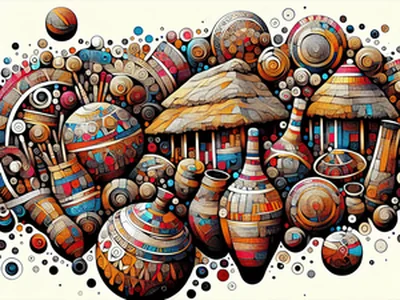
The Kamba are renowned for their intricate beadwork, wood carvings, and vibrant music, which play a central role in their cultural expression and community events.
Economic Context And Occupations
The Kamba economy is traditionally based on agriculture, with many engaged in farming, livestock keeping, and trade. Urban migration has led to increased participation in diverse occupations.
Housing And Living Arrangements
Housing varies from traditional homesteads in rural areas to modern apartments in urban centers. Extended families often live together, reflecting communal values.
Nutrition And Dietary Norms
The Kamba diet traditionally includes maize, beans, vegetables, and occasionally meat. Food is often shared communally, reinforcing social bonds.
Interpretation Needs
Interpretation services may be required for Kamba speakers in regions where Kikamba is not widely spoken, especially in healthcare and legal settings.
Interpreter Notes
Interpreters should be aware of the nuances in Kamba dialects and cultural context to ensure accurate communication.
Documentation Traditions
Traditionally, the Kamba have relied on oral traditions for documentation, with stories, proverbs, and songs serving as key methods of preserving history and culture.
Interactions With Other Cultures
The Kamba have historically interacted with neighboring communities through trade and intermarriage, fostering cultural exchange and mutual understanding.
Conflict Resolution Mechanisms
Traditional conflict resolution involves community elders mediating disputes, emphasizing reconciliation and communal harmony.
Cultural Exchange Programs
The Kamba engage in cultural exchange programs with neighboring ethnic groups to promote mutual understanding and preserve cultural heritage.
Trade Relations
The Kamba have been involved in trade for centuries, historically acting as intermediaries between coastal and inland communities.
Shared Artistic Projects
Collaborations with other Kenyan artists in music and crafts are common, fostering a rich exchange of artistic traditions.
Intercultural Marriages
Intermarriage with other ethnic groups is common, reflecting the Kamba's openness and adaptability.
Shared Educational Initiatives
Educational initiatives often involve partnerships with other communities to enhance learning opportunities and cultural exchange.
Youth Perspectives
Kamba youth are increasingly focused on education and employment opportunities, balancing traditional values with modern aspirations.
Education Initiatives
There are initiatives to improve educational access and quality, including scholarships and community-driven programs.
Future Challenges
Challenges include unemployment, cultural preservation, and adapting to rapid technological and social changes.
Youth Employment Trends
Many young Kamba are moving to urban areas for employment, often in sectors like technology, education, and business.
Future Visions
The Kamba envision a future where traditional values coexist with modern advancements, fostering a prosperous and cohesive community.
Youth Leadership Roles
Youth are increasingly taking on leadership roles in community organizations and initiatives, driving social and economic change.
Innovation And Startups
There is a growing trend of Kamba youth engaging in entrepreneurship and startups, particularly in technology and creative industries.
Festivals And Celebrations
Traditional festivals celebrate harvests, weddings, and rites of passage, often involving music, dance, and communal feasting.
Traditional Medicine Practices
Traditional medicine is practiced alongside modern healthcare, with herbal remedies and spiritual healing playing significant roles.
Environmental Practices
The Kamba have a deep respect for nature, practicing sustainable agriculture and resource management.
Rituals
Rituals mark important life events, such as births, marriages, and deaths, often involving community participation and ancestral reverence.
Rites Of Passage
Rites of passage, such as circumcision and initiation ceremonies, are important cultural practices marking the transition to adulthood.
Culinary Traditions
Kamba cuisine includes staples like 'ugali' (maize porridge) and 'mboga' (vegetables), often prepared communally.
Climate Adaptation Strategies
The Kamba employ traditional knowledge and modern techniques to adapt to climate change, focusing on sustainable farming practices.
Biodiversity Conservation
Efforts are made to conserve local biodiversity, recognizing the importance of ecological balance for community well-being.
Sustainable Tourism Practices
There is a growing interest in promoting sustainable tourism that respects cultural heritage and environmental integrity.
Renewable Energy Use
Renewable energy sources, such as solar power, are increasingly being adopted in Kamba communities to reduce reliance on traditional fuels.
Community Involvement In Practices
Community involvement is key in environmental and cultural practices, ensuring collective responsibility and benefit.
Environmental Education Programs
Programs are being developed to educate the community, especially youth, about environmental conservation and sustainable practices.
Notable Figures
Notable Kamba figures include musicians, artists, and political leaders who have contributed to Kenya's cultural and political landscape.
Cultural Innovations
The Kamba are known for their innovations in music and dance, as well as their distinctive wood carvings and crafts.
Literary Works
Kamba oral literature, including folktales and proverbs, is a rich cultural resource that has been documented and studied.
Architectural Styles
Traditional Kamba architecture features round huts with thatched roofs, designed for climate efficiency and community living.
Scientific Contributions
The Kamba have contributed to ethnobotanical knowledge, particularly in the use of indigenous plants for medicinal purposes.
Culinary Innovations
Kamba cuisine has influenced Kenyan culinary practices, with dishes like 'kithuluthu' (a type of stew) gaining popularity.
Global Influence
Kamba music and crafts have gained international recognition, contributing to Kenya's cultural identity on the global stage.
Awards And Recognition
Kamba artists and musicians have received national and international awards, highlighting their cultural contributions.
Modern Influences
Modern influences include increased urbanization, technological adoption, and exposure to global cultures, impacting traditional lifestyles.
Digital Presence
The Kamba community is increasingly active online, using social media to connect, share cultural content, and promote businesses.
Globalization Effects
Globalization has brought both opportunities and challenges, influencing cultural practices and economic activities.
Urbanization Effects
Urbanization has led to shifts in traditional living arrangements and occupations, with many Kamba moving to cities for better opportunities.
Technology Adoption
Technology is widely adopted among the Kamba, with mobile phones and internet access facilitating communication and business.
Hybrid Cultural Forms
Hybrid cultural forms are emerging, blending traditional Kamba elements with modern influences in music, fashion, and art.
Social Media Presence
Social media is used to maintain cultural connections, promote Kamba culture, and engage with broader audiences.
Challenges
Challenges include preserving cultural heritage amidst modernization, addressing economic disparities, and managing environmental changes.
Preservation Efforts
Efforts to preserve Kamba culture include documenting oral traditions, promoting traditional crafts, and supporting cultural education.
Cultural Artwork
Community Discussion
Further Reading
Explore credible external sources to deepen your understanding of Kamba culture.