
Kalmyks
Republic of Kalmykia, Russia KalmykRussian
The Kalmyks are a Mongolic ethnic group primarily residing in the Republic of Kalmykia in Russia. They are known for their rich cultural heritage, including traditional Buddhist practices and a nomadic history.
Historical Context
The Kalmyks are descendants of the Oirat Mongols who migrated from Dzungaria to the lower Volga region in the 17th century. They established the Kalmyk Khanate and have a history marked by periods of autonomy and integration into the Russian Empire.
Migration Patterns
The Kalmyks migrated from Central Asia to the Volga region in the 1600s. During the Soviet era, they faced forced deportations to Siberia and Central Asia, returning to Kalmykia in the late 1950s.
Conflict And Resilience History
The Kalmyks have faced significant challenges, including forced deportations during Stalin's regime in 1943, which decimated their population and disrupted their cultural practices. They were allowed to return to their homeland in 1957.
Diaspora Perspectives
Kalmyk communities exist in the United States, particularly in New Jersey, where they maintain cultural traditions and religious practices.
Regional Variations
Within Kalmykia, there are variations in dialects and customs, influenced by historical interactions with neighboring cultures.
Bridging Notes
Efforts to bridge past grievances include cultural revival initiatives and the promotion of Kalmyk language and traditions.
Spiritual And Religious Practices
Kalmyks practice Tibetan Buddhism, with influences from their Mongolic shamanistic roots. Monasteries and temples play a central role in community life.
Beliefs And Worldview
Kalmyks value harmony with nature, community solidarity, and spiritual growth, influenced by Buddhist teachings.
Cultural Proverbs Sayings
Proverbs often reflect Buddhist values, emphasizing patience, wisdom, and the impermanence of life.
Naming Conventions And Terms Of Address
Names often have Buddhist or Mongolic origins, and respectful terms of address are used, reflecting social hierarchy and familial relationships.
Health And Mental Health
Traditional health practices include herbal medicine and spiritual healing, often integrated with modern healthcare.
Mental Health Views
Mental health is traditionally approached through a combination of Buddhist philosophy and community support, with an emphasis on harmony and balance.
Traditional Healers
Traditional healers, often Buddhist monks, play a role in spiritual and physical healing practices, using rituals and herbal remedies.
Gender Roles In Healthcare
Women often play a significant role in family health decisions, though traditional gender roles can influence access to healthcare.
Healthcare Barriers
Barriers include limited access to healthcare facilities in rural areas and language barriers for those who primarily speak Kalmyk.
Education And Learning Styles
Education emphasizes both modern academic subjects and the preservation of Kalmyk language and culture.
Learning Styles
Kalmyk education traditionally emphasizes oral storytelling and communal learning, with a strong respect for elders as knowledge bearers.
Parental Engagement
Parents are actively involved in their children's education, often encouraging the learning of Kalmyk traditions alongside formal education.
Family And Social Structure
Kalmyk society is traditionally organized around extended family units, with strong kinship ties and communal support systems.
Discipline And Behavior
Discipline is often guided by community norms and Buddhist principles, emphasizing respect and responsibility.
Authority Attitudes
Respect for elders and religious leaders is a significant aspect of Kalmyk culture, reflecting hierarchical social structures.
Etiquette And Customs
Customs include offering hospitality to guests, celebrating Buddhist festivals, and observing traditional rituals.
Community Strengths Resilience
The Kalmyk community is resilient, with a strong sense of identity and cultural pride, bolstered by efforts to revive and maintain traditions.
Art Music And Expression
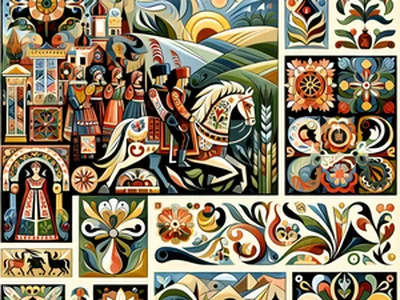
Kalmyk art includes traditional music, dance, and crafts, often reflecting Buddhist themes and nomadic heritage.
Cultural Symbols Motifs
Common symbols include the lotus, representing purity and enlightenment, and the horse, symbolizing freedom and strength.
What Brings Joy
Community gatherings, religious festivals, and traditional music and dance are sources of joy and cultural expression.
Celebrations Joyful Traditions
Celebrations such as Tsagan Sar (New Year) and the annual horse races are important cultural events.
Cultural Calendar And Holidays
The Kalmyk calendar includes Buddhist festivals and traditional celebrations, often linked to lunar cycles.
Additional Notes
Kalmyk culture is rich in traditional music and dance, with the dombra, a two-stringed instrument, being central to their musical expression.
Economic Context And Occupations
The economy is traditionally based on agriculture and livestock, with increasing diversification into other sectors.
Housing And Living Arrangements
Housing varies from urban apartments to rural homesteads, often reflecting traditional nomadic influences.
Nutrition And Dietary Norms
The diet includes meat, dairy, and grains, with traditional dishes like Borts (dried meat) and Kalmyk tea.
Interpretation Needs
Kalmyk speakers may require interpretation services in Russian-dominated areas, especially in legal and healthcare settings.
Interpreter Notes
Interpreters familiar with both Kalmyk and Russian are often needed in official and healthcare settings.
Documentation Traditions
Kalmyk culture has a strong oral tradition, with historical and cultural knowledge often passed down through storytelling.
Interactions With Other Cultures
Kalmyks have historically interacted with Russian, Mongolian, and other Central Asian cultures, influencing their customs and language.
Conflict Resolution Mechanisms
Traditional conflict resolution often involves community elders and religious leaders, emphasizing reconciliation and harmony.
Cultural Exchange Programs
There are initiatives to promote cultural exchange with other Buddhist communities and Mongolic peoples.
Trade Relations
Historically, the Kalmyks engaged in trade with neighboring Russian and Central Asian communities, exchanging livestock and crafts.
Shared Artistic Projects
Collaborations in music and art with Mongolic and Buddhist communities are common.
Intercultural Marriages
Intercultural marriages occur, often leading to a blending of traditions and practices.
Shared Educational Initiatives
Educational programs often focus on preserving the Kalmyk language and promoting cultural understanding.
Youth Perspectives
Kalmyk youth are increasingly engaged in cultural preservation while also embracing modern global influences.
Education Initiatives
Programs aim to integrate traditional knowledge with modern education, fostering a balanced cultural identity.
Future Challenges
Challenges include cultural assimilation, economic opportunities, and maintaining language and traditions.
Youth Employment Trends
Youth are diversifying into various sectors, including technology and service industries, while some remain in traditional occupations.
Future Visions
There is a vision for a culturally vibrant Kalmykia that balances tradition with modernity.
Youth Leadership Roles
Youth are taking on leadership roles in cultural and community organizations, driving innovation and change.
Innovation And Startups
There is a growing interest in entrepreneurship and startups, particularly in technology and sustainable practices.
Festivals And Celebrations
Festivals such as Tsagan Sar and the Kalmyk New Year are celebrated with traditional rituals and community gatherings.
Traditional Medicine Practices
Traditional medicine includes herbal remedies and spiritual healing, often used alongside modern healthcare.
Environmental Practices
Kalmyks have a deep respect for nature, with practices aimed at sustainable land use and conservation.
Rituals
Rituals often involve Buddhist ceremonies, offerings, and prayers for prosperity and health.
Rites Of Passage
Rites of passage include ceremonies for birth, marriage, and death, often incorporating Buddhist elements.
Culinary Traditions
Kalmyk cuisine features dishes like Borts and Kalmyk tea, reflecting nomadic and Buddhist influences.
Climate Adaptation Strategies
Adaptation strategies include sustainable agriculture and water management practices.
Biodiversity Conservation
Efforts are made to conserve the unique steppe ecosystem and its biodiversity.
Sustainable Tourism Practices
Tourism initiatives focus on cultural heritage and eco-friendly practices.
Renewable Energy Use
There is increasing interest in renewable energy, particularly wind and solar power.
Community Involvement In Practices
Community involvement is key in environmental and cultural preservation efforts.
Environmental Education Programs
Programs aim to educate the community about environmental conservation and sustainable practices.
Notable Figures
Notable Kalmyks include the Buddhist leader Telo Tulku Rinpoche and chess grandmaster Anatoly Karpov.
Cultural Innovations
Kalmyks have contributed to the revival of Buddhist art and music in the region.
Literary Works
Kalmyk literature includes traditional epics and modern works reflecting their history and culture.
Architectural Styles
Traditional Kalmyk architecture includes Buddhist temples and yurts, reflecting their nomadic heritage.
Scientific Contributions
Kalmyks have made contributions in fields such as chess, with Anatoly Karpov being a world champion.
Culinary Innovations
Kalmyk tea, a unique blend of tea, milk, and salt, is a distinctive culinary contribution.
Global Influence
Kalmyk culture influences Buddhist practices and Mongolic traditions globally.
Awards And Recognition
Kalmyk individuals have received recognition in fields such as sports, particularly chess.
Modern Influences
Kalmyk culture is influenced by Russian and global trends, leading to a blend of traditional and modern practices.
Digital Presence
Kalmyks are increasingly active online, using digital platforms to promote their culture and connect with the diaspora.
Globalization Effects
Globalization has brought both opportunities and challenges, influencing cultural practices and economic activities.
Urbanization Effects
Urbanization has led to changes in lifestyle and social structures, with more Kalmyks living in cities.
Technology Adoption
Technology is widely adopted, with a focus on education and communication.
Hybrid Cultural Forms
Hybrid cultural forms emerge as traditional practices blend with modern influences.
Social Media Presence
Social media is used to share cultural content and engage with global audiences.
Challenges
Challenges include cultural preservation amidst modernization and the loss of traditional practices.
Preservation Efforts
Efforts focus on language revitalization, cultural education, and the promotion of traditional arts.
Cultural Artwork
Community Discussion
Further Reading
Explore credible external sources to deepen your understanding of Kalmyks culture.