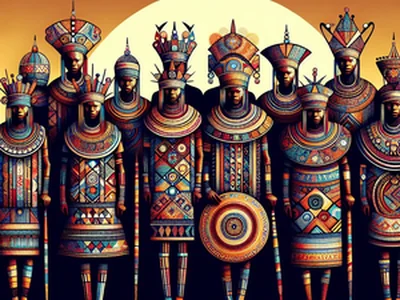


Jita
- Historical Context
- The Jita are part of the larger Bantu migration, settling in the Mara Region centuries ago. Under German and later British colonial rule, the Jita experienced changes in land use and governance. Since Tanzania's independence in 1961, the Jita have integrated into the national framework while maintaining cultural traditions.
- Migration Patterns
- The Jita are part of the larger Bantu migration, settling in the Mara Region centuries ago. Under German and later British colonial rule, the Jita experienced changes in land use and governance. Since Tanzania's independence in 1961, the Jita have integrated into the national framework while maintaining cultural traditions. The Jita are part of the larger Bantu migration, settling in the Mara Region centuries ago. Under German and later British colonial rule, the Jita experienced changes in land use and governance.
- Conflict And Resilience History
- The Jita are part of the larger Bantu migration, settling in the Mara Region centuries ago. Under German and later British colonial rule, the Jita experienced changes in land use and governance. Since Tanzania's independence in 1961, the Jita have integrated into the national framework while maintaining cultural traditions. The Jita are part of the larger Bantu migration, settling in the Mara Region centuries ago. Under German and later British colonial rule, the Jita experienced changes in land use and governance. Since Tanzania's independence in 1961, the Jita have integrated into the national framework while maintaining cultural traditions. The Jita are part of the larger Bantu migration, settling in the Mara Region centuries ago. Under German and later British colonial rule, the Jita experienced changes in land use and governance. The Jita are part of the larger Bantu migration, settling in the Mara Region centuries ago.
- Diaspora Perspectives
- The Jita are part of the larger Bantu migration, settling in the Mara Region centuries ago. Under German and later British colonial rule, the Jita experienced changes in land use and governance. Since Tanzania's independence in 1961, the Jita have integrated into the national framework while maintaining cultural traditions. The Jita are part of the larger Bantu migration, settling in the Mara Region centuries ago. Under German and later British colonial rule, the Jita experienced changes in land use and governance. Since Tanzania's independence in 1961, the Jita have integrated into the national framework while maintaining cultural traditions. The Jita are part of the larger Bantu migration, settling in the Mara Region centuries ago. Under German and later British colonial rule, the Jita experienced changes in land use and governance. The Jita are part of the larger Bantu migration, settling in the Mara Region centuries ago. Under German and later British colonial rule, the Jita experienced changes in land use and governance. Since Tanzania's independence in 1961, the Jita have integrated into the national framework while maintaining cultural traditions. The Jita are part of the larger Bantu migration, settling in the Mara Region centuries ago. Under German and later British colonial rule, the Jita experienced changes in land use and governance. Since Tanzania's independence in 1961, the Jita have integrated into the national framework while maintaining cultural traditions. The Jita are part of the larger Bantu migration, settling in the Mara Region centuries ago. Under German and later British colonial rule, the Jita experienced changes in land use and governance. The Jita are part of the larger Bantu migration, settling in the Mara Region centuries ago.
- Regional Variations
- The Jita are part of the larger Bantu migration, settling in the Mara Region centuries ago. Under German and later British colonial rule, the Jita experienced changes in land use and governance. Since Tanzania's independence in 1961, the Jita have integrated into the national framework while maintaining cultural traditions. The Jita are part of the larger Bantu migration, settling in the Mara Region centuries ago. Under German and later British colonial rule, the Jita experienced changes in land use and governance. Since Tanzania's independence in 1961, the Jita have integrated into the national framework while maintaining cultural traditions. The Jita are part of the larger Bantu migration, settling in the Mara Region centuries ago. Under German and later British colonial rule, the Jita experienced changes in land use and governance. The Jita are part of the larger Bantu migration, settling in the Mara Region centuries ago. Under German and later British colonial rule, the Jita experienced changes in land use and governance. Since Tanzania's independence in 1961, the Jita have integrated into the national framework while maintaining cultural traditions. The Jita are part of the larger Bantu migration, settling in the Mara Region centuries ago. Under German and later British colonial rule, the Jita experienced changes in land use and governance. Since Tanzania's independence in 1961, the Jita have integrated into the national framework while maintaining cultural traditions. The Jita are part of the larger Bantu migration, settling in the Mara Region centuries ago. Under German and later British colonial rule, the Jita experienced changes in land use and governance. The Jita are part of the larger Bantu migration, settling in the Mara Region centuries ago.
- Bridging Notes
- The Jita are part of the larger Bantu migration, settling in the Mara Region centuries ago. Under German and later British colonial rule, the Jita experienced changes in land use and governance. Since Tanzania's independence in 1961, the Jita have integrated into the national framework while maintaining cultural traditions. The Jita are part of the larger Bantu migration, settling in the Mara Region centuries ago. Under German and later British colonial rule, the Jita experienced changes in land use and governance. Since Tanzania's independence in 1961, the Jita have integrated into the national framework while maintaining cultural traditions. The Jita are part of the larger Bantu migration, settling in the Mara Region centuries ago. Under German and later British colonial rule, the Jita experienced changes in land use and governance. The Jita are part of the larger Bantu migration, settling in the Mara Region centuries ago. Under German and later British colonial rule, the Jita experienced changes in land use and governance. Since Tanzania's independence in 1961, the Jita have integrated into the national framework while maintaining cultural traditions. The Jita are part of the larger Bantu migration, settling in the Mara Region centuries ago. Under German and later British colonial rule, the Jita experienced changes in land use and governance. Since Tanzania's independence in 1961, the Jita have integrated into the national framework while maintaining cultural traditions. The Jita are part of the larger Bantu migration, settling in the Mara Region centuries ago. Under German and later British colonial rule, the Jita experienced changes in land use and governance. The Jita are part of the larger Bantu migration, settling in the Mara Region centuries ago.
- Spiritual And Religious Practices
- Predominantly Christian, with some practicing traditional African religions. Community cohesion, respect for elders, and agricultural productivity are highly valued. Rites of passage, such as initiation ceremonies, are important cultural practices.
- Beliefs And Worldview
- Predominantly Christian, with some practicing traditional African religions. Community cohesion, respect for elders, and agricultural productivity are highly valued. Rites of passage, such as initiation ceremonies, are important cultural practices. Predominantly Christian, with some practicing traditional African religions. Community cohesion, respect for elders, and agricultural productivity are highly valued.
- Cultural Proverbs Sayings
- Predominantly Christian, with some practicing traditional African religions. Community cohesion, respect for elders, and agricultural productivity are highly valued. Rites of passage, such as initiation ceremonies, are important cultural practices. Predominantly Christian, with some practicing traditional African religions. Community cohesion, respect for elders, and agricultural productivity are highly valued. Rites of passage, such as initiation ceremonies, are important cultural practices. Predominantly Christian, with some practicing traditional African religions. Community cohesion, respect for elders, and agricultural productivity are highly valued. Predominantly Christian, with some practicing traditional African religions.
- Naming Conventions And Terms Of Address
- Predominantly Christian, with some practicing traditional African religions. Community cohesion, respect for elders, and agricultural productivity are highly valued. Rites of passage, such as initiation ceremonies, are important cultural practices. Predominantly Christian, with some practicing traditional African religions. Community cohesion, respect for elders, and agricultural productivity are highly valued. Rites of passage, such as initiation ceremonies, are important cultural practices. Predominantly Christian, with some practicing traditional African religions. Community cohesion, respect for elders, and agricultural productivity are highly valued. Predominantly Christian, with some practicing traditional African religions. Community cohesion, respect for elders, and agricultural productivity are highly valued. Rites of passage, such as initiation ceremonies, are important cultural practices. Predominantly Christian, with some practicing traditional African religions. Community cohesion, respect for elders, and agricultural productivity are highly valued. Rites of passage, such as initiation ceremonies, are important cultural practices. Predominantly Christian, with some practicing traditional African religions. Community cohesion, respect for elders, and agricultural productivity are highly valued. Predominantly Christian, with some practicing traditional African religions.
- Health And Mental Health
- Herbal remedies and traditional healers play a significant role in healthcare. Access to modern healthcare is limited but improving, with efforts to integrate traditional practices. Malaria, respiratory infections, and malnutrition are prevalent health concerns.
- Mental Health Views
- Herbal remedies and traditional healers play a significant role in healthcare. Access to modern healthcare is limited but improving, with efforts to integrate traditional practices. Malaria, respiratory infections, and malnutrition are prevalent health concerns. Herbal remedies and traditional healers play a significant role in healthcare. Access to modern healthcare is limited but improving, with efforts to integrate traditional practices.
- Traditional Healers
- Herbal remedies and traditional healers play a significant role in healthcare. Access to modern healthcare is limited but improving, with efforts to integrate traditional practices. Malaria, respiratory infections, and malnutrition are prevalent health concerns. Herbal remedies and traditional healers play a significant role in healthcare. Access to modern healthcare is limited but improving, with efforts to integrate traditional practices. Malaria, respiratory infections, and malnutrition are prevalent health concerns. Herbal remedies and traditional healers play a significant role in healthcare. Access to modern healthcare is limited but improving, with efforts to integrate traditional practices. Herbal remedies and traditional healers play a significant role in healthcare.
- Gender Roles In Healthcare
- Herbal remedies and traditional healers play a significant role in healthcare. Access to modern healthcare is limited but improving, with efforts to integrate traditional practices. Malaria, respiratory infections, and malnutrition are prevalent health concerns. Herbal remedies and traditional healers play a significant role in healthcare. Access to modern healthcare is limited but improving, with efforts to integrate traditional practices. Malaria, respiratory infections, and malnutrition are prevalent health concerns. Herbal remedies and traditional healers play a significant role in healthcare. Access to modern healthcare is limited but improving, with efforts to integrate traditional practices. Herbal remedies and traditional healers play a significant role in healthcare. Access to modern healthcare is limited but improving, with efforts to integrate traditional practices. Malaria, respiratory infections, and malnutrition are prevalent health concerns. Herbal remedies and traditional healers play a significant role in healthcare. Access to modern healthcare is limited but improving, with efforts to integrate traditional practices. Malaria, respiratory infections, and malnutrition are prevalent health concerns. Herbal remedies and traditional healers play a significant role in healthcare. Access to modern healthcare is limited but improving, with efforts to integrate traditional practices. Herbal remedies and traditional healers play a significant role in healthcare.
- Healthcare Barriers
- Herbal remedies and traditional healers play a significant role in healthcare. Access to modern healthcare is limited but improving, with efforts to integrate traditional practices. Malaria, respiratory infections, and malnutrition are prevalent health concerns. Herbal remedies and traditional healers play a significant role in healthcare. Access to modern healthcare is limited but improving, with efforts to integrate traditional practices. Malaria, respiratory infections, and malnutrition are prevalent health concerns. Herbal remedies and traditional healers play a significant role in healthcare. Access to modern healthcare is limited but improving, with efforts to integrate traditional practices. Herbal remedies and traditional healers play a significant role in healthcare. Access to modern healthcare is limited but improving, with efforts to integrate traditional practices. Malaria, respiratory infections, and malnutrition are prevalent health concerns. Herbal remedies and traditional healers play a significant role in healthcare. Access to modern healthcare is limited but improving, with efforts to integrate traditional practices. Malaria, respiratory infections, and malnutrition are prevalent health concerns. Herbal remedies and traditional healers play a significant role in healthcare. Access to modern healthcare is limited but improving, with efforts to integrate traditional practices. Herbal remedies and traditional healers play a significant role in healthcare.
- Education And Learning Styles
- Primary education is widely accessible, with increasing enrollment rates. Secondary education is less accessible, with challenges in resources and infrastructure. Cultural knowledge is passed down through oral traditions and community involvement.
- Learning Styles
- Primary education is widely accessible, with increasing enrollment rates. Secondary education is less accessible, with challenges in resources and infrastructure. Cultural knowledge is passed down through oral traditions and community involvement. Primary education is widely accessible, with increasing enrollment rates. Secondary education is less accessible, with challenges in resources and infrastructure.
- Parental Engagement
- Primary education is widely accessible, with increasing enrollment rates. Secondary education is less accessible, with challenges in resources and infrastructure. Cultural knowledge is passed down through oral traditions and community involvement. Primary education is widely accessible, with increasing enrollment rates. Secondary education is less accessible, with challenges in resources and infrastructure. Cultural knowledge is passed down through oral traditions and community involvement. Primary education is widely accessible, with increasing enrollment rates. Secondary education is less accessible, with challenges in resources and infrastructure. Primary education is widely accessible, with increasing enrollment rates.
- Family And Social Structure
- Extended families are common, with strong kinship ties. Communities are organized around clans and age groups. Traditional leaders, such as clan elders, play a crucial role in decision-making.
- Discipline And Behavior
- Extended families are common, with strong kinship ties. Communities are organized around clans and age groups. Traditional leaders, such as clan elders, play a crucial role in decision-making. Extended families are common, with strong kinship ties. Communities are organized around clans and age groups.
- Authority Attitudes
- Extended families are common, with strong kinship ties. Communities are organized around clans and age groups. Traditional leaders, such as clan elders, play a crucial role in decision-making. Extended families are common, with strong kinship ties. Communities are organized around clans and age groups. Traditional leaders, such as clan elders, play a crucial role in decision-making. Extended families are common, with strong kinship ties. Communities are organized around clans and age groups. Extended families are common, with strong kinship ties.
- Etiquette And Customs
- Extended families are common, with strong kinship ties. Communities are organized around clans and age groups. Traditional leaders, such as clan elders, play a crucial role in decision-making. Extended families are common, with strong kinship ties. Communities are organized around clans and age groups. Traditional leaders, such as clan elders, play a crucial role in decision-making. Extended families are common, with strong kinship ties. Communities are organized around clans and age groups. Extended families are common, with strong kinship ties. Communities are organized around clans and age groups. Traditional leaders, such as clan elders, play a crucial role in decision-making. Extended families are common, with strong kinship ties. Communities are organized around clans and age groups. Traditional leaders, such as clan elders, play a crucial role in decision-making. Extended families are common, with strong kinship ties. Communities are organized around clans and age groups. Extended families are common, with strong kinship ties.
- Community Strengths Resilience
- Extended families are common, with strong kinship ties. Communities are organized around clans and age groups. Traditional leaders, such as clan elders, play a crucial role in decision-making. Extended families are common, with strong kinship ties. Communities are organized around clans and age groups. Traditional leaders, such as clan elders, play a crucial role in decision-making. Extended families are common, with strong kinship ties. Communities are organized around clans and age groups. Extended families are common, with strong kinship ties. Communities are organized around clans and age groups. Traditional leaders, such as clan elders, play a crucial role in decision-making. Extended families are common, with strong kinship ties. Communities are organized around clans and age groups. Traditional leaders, such as clan elders, play a crucial role in decision-making. Extended families are common, with strong kinship ties. Communities are organized around clans and age groups. Extended families are common, with strong kinship ties.
- Art Music And Expression
- Basket weaving, pottery, and beadwork are traditional crafts. Drumming and singing are integral to cultural ceremonies and celebrations. Traditional dances are performed during festivals and important events.
- Cultural Symbols Motifs
- Basket weaving, pottery, and beadwork are traditional crafts. Drumming and singing are integral to cultural ceremonies and celebrations. Traditional dances are performed during festivals and important events. Basket weaving, pottery, and beadwork are traditional crafts. Drumming and singing are integral to cultural ceremonies and celebrations.
- What Brings Joy
- Basket weaving, pottery, and beadwork are traditional crafts. Drumming and singing are integral to cultural ceremonies and celebrations. Traditional dances are performed during festivals and important events. Basket weaving, pottery, and beadwork are traditional crafts. Drumming and singing are integral to cultural ceremonies and celebrations. Traditional dances are performed during festivals and important events. Basket weaving, pottery, and beadwork are traditional crafts. Drumming and singing are integral to cultural ceremonies and celebrations. Basket weaving, pottery, and beadwork are traditional crafts.
- Celebrations Joyful Traditions
- Basket weaving, pottery, and beadwork are traditional crafts. Drumming and singing are integral to cultural ceremonies and celebrations. Traditional dances are performed during festivals and important events. Basket weaving, pottery, and beadwork are traditional crafts. Drumming and singing are integral to cultural ceremonies and celebrations. Traditional dances are performed during festivals and important events. Basket weaving, pottery, and beadwork are traditional crafts. Drumming and singing are integral to cultural ceremonies and celebrations. Basket weaving, pottery, and beadwork are traditional crafts. Drumming and singing are integral to cultural ceremonies and celebrations. Traditional dances are performed during festivals and important events. Basket weaving, pottery, and beadwork are traditional crafts. Drumming and singing are integral to cultural ceremonies and celebrations. Traditional dances are performed during festivals and important events. Basket weaving, pottery, and beadwork are traditional crafts. Drumming and singing are integral to cultural ceremonies and celebrations. Basket weaving, pottery, and beadwork are traditional crafts.
- Cultural Calendar And Holidays
- Basket weaving, pottery, and beadwork are traditional crafts. Drumming and singing are integral to cultural ceremonies and celebrations. Traditional dances are performed during festivals and important events. Basket weaving, pottery, and beadwork are traditional crafts. Drumming and singing are integral to cultural ceremonies and celebrations. Traditional dances are performed during festivals and important events. Basket weaving, pottery, and beadwork are traditional crafts. Drumming and singing are integral to cultural ceremonies and celebrations. Basket weaving, pottery, and beadwork are traditional crafts. Drumming and singing are integral to cultural ceremonies and celebrations. Traditional dances are performed during festivals and important events. Basket weaving, pottery, and beadwork are traditional crafts. Drumming and singing are integral to cultural ceremonies and celebrations. Traditional dances are performed during festivals and important events. Basket weaving, pottery, and beadwork are traditional crafts. Drumming and singing are integral to cultural ceremonies and celebrations. Basket weaving, pottery, and beadwork are traditional crafts.
- Additional Notes
- Basket weaving, pottery, and beadwork are traditional crafts. Drumming and singing are integral to cultural ceremonies and celebrations. Traditional dances are performed during festivals and important events. Basket weaving, pottery, and beadwork are traditional crafts. Drumming and singing are integral to cultural ceremonies and celebrations. Traditional dances are performed during festivals and important events. Basket weaving, pottery, and beadwork are traditional crafts. Drumming and singing are integral to cultural ceremonies and celebrations. Basket weaving, pottery, and beadwork are traditional crafts. Drumming and singing are integral to cultural ceremonies and celebrations. Traditional dances are performed during festivals and important events. Basket weaving, pottery, and beadwork are traditional crafts. Drumming and singing are integral to cultural ceremonies and celebrations. Traditional dances are performed during festivals and important events. Basket weaving, pottery, and beadwork are traditional crafts. Drumming and singing are integral to cultural ceremonies and celebrations. Basket weaving, pottery, and beadwork are traditional crafts.
- Economic Context And Occupations
- Rural areas face challenges with transportation infrastructure. Access to electricity and clean water is limited but improving. Mobile phone usage is increasing, enhancing communication and information access.
- Housing And Living Arrangements
- Rural areas face challenges with transportation infrastructure. Access to electricity and clean water is limited but improving. Mobile phone usage is increasing, enhancing communication and information access. Rural areas face challenges with transportation infrastructure. Access to electricity and clean water is limited but improving.
- Nutrition And Dietary Norms
- Rural areas face challenges with transportation infrastructure. Access to electricity and clean water is limited but improving. Mobile phone usage is increasing, enhancing communication and information access. Rural areas face challenges with transportation infrastructure. Access to electricity and clean water is limited but improving. Mobile phone usage is increasing, enhancing communication and information access. Rural areas face challenges with transportation infrastructure. Access to electricity and clean water is limited but improving. Rural areas face challenges with transportation infrastructure.
- Interpretation Needs
- Swahili and English are the official languages of Tanzania. Jita is widely spoken within the community, especially in rural areas. Efforts are being made to document and preserve the Jita language.
- Interpreter Notes
- Swahili and English are the official languages of Tanzania. Jita is widely spoken within the community, especially in rural areas. Efforts are being made to document and preserve the Jita language. Swahili and English are the official languages of Tanzania. Jita is widely spoken within the community, especially in rural areas.
- Documentation Traditions
- Swahili and English are the official languages of Tanzania. Jita is widely spoken within the community, especially in rural areas. Efforts are being made to document and preserve the Jita language. Swahili and English are the official languages of Tanzania. Jita is widely spoken within the community, especially in rural areas. Efforts are being made to document and preserve the Jita language. Swahili and English are the official languages of Tanzania. Jita is widely spoken within the community, especially in rural areas. Swahili and English are the official languages of Tanzania.
- Interactions With Other Cultures
- The Jita people, primarily residing around the eastern shores of Lake Victoria in Tanzania, have historically interacted with neighboring Bantu groups such as the Luo, Haya, and Sukuma. These interactions were primarily driven by trade and intermarriage. In recent times, interactions have expanded due to increased mobility and communication technology.
- Conflict Resolution Mechanisms
- Traditional conflict resolution among the Jita involves community elders who mediate disputes using customary laws and practices. These elders are respected figures who employ dialogue and consensus-building to peacefully resolve conflicts.
- Cultural Exchange Programs
- There have been initiatives to promote cultural exchange, particularly through local festivals and regional cultural fairs that showcase Jita music, dance, and crafts. These programs aim to foster understanding and appreciation of Jita culture among neighboring communities.
- Trade Relations
- Trade has been a significant aspect of Jita relations with other cultures. Historically, they traded fish from Lake Victoria with agricultural produce from neighboring communities. Modern trade relations are more diversified and include goods such as textiles and crafts.
- Shared Artistic Projects
- Collaborative artistic endeavors with neighboring communities include joint performances of traditional music and dance at regional cultural festivals, which serve to strengthen cultural ties and mutual appreciation.
- Intercultural Marriages
- Intercultural marriages are common among the Jita, particularly with neighboring ethnic groups. These marriages are generally accepted and seen as a means to strengthen social bonds and promote peace among communities.
- Shared Educational Initiatives
- Joint educational programs have been established, especially in areas where Jita people coexist with other cultural groups. These initiatives focus on bilingual education and cultural studies to enhance mutual understanding and cooperation.
- Youth Perspectives
- Jita youth are increasingly focused on balancing traditional values with modern aspirations. They express a desire for educational opportunities and employment while valuing their cultural heritage.
- Education Initiatives
- There is a strong emphasis on improving educational infrastructure and access, with initiatives aimed at increasing literacy rates and providing vocational training to equip the youth with practical skills.
- Future Challenges
- The Jita community anticipates challenges such as economic opportunities, environmental sustainability, and maintaining cultural identity amidst globalization.
- Youth Employment Trends
- Youth employment trends show an increasing shift towards urban areas in search of jobs, especially in the service and informal sectors. However, there is also a growing interest in entrepreneurship and agriculture.
- Future Visions
- The Jita community envisions a future where traditional culture is preserved while embracing technological and economic advancements. They prioritize education, sustainable development, and cultural preservation.
- Youth Leadership Roles
- Youth are taking on leadership roles in community development projects and local governance councils, often advocating for issues such as education, health, and environmental conservation.
- Innovation And Startups
- Youth-driven innovation is on the rise, with many young Jita engaging in startups that focus on technology, agriculture, and eco-friendly products. These initiatives aim to address local challenges and create sustainable economic opportunities.
- Festivals And Celebrations
- Major festivals include the Annual Harvest Festival, which celebrates agricultural abundance and features traditional music, dance, and communal feasting.
- Traditional Medicine Practices
- Traditional healers, known as 'waganga,' play a vital role in providing herbal remedies and spiritual guidance, often integrating these practices with modern healthcare.
- Environmental Practices
- The Jita people have traditional practices for environmental stewardship, such as community-based fishing management and sustainable agricultural techniques to preserve natural resources.
- Rituals
- Important cultural rituals include birth ceremonies, initiation rites, and marriage ceremonies, each marked with specific traditional songs and dances that convey cultural narratives.
- Rites Of Passage
- Coming-of-age ceremonies are significant among the Jita, marking the transition from childhood to adulthood with rituals that involve community participation and mentorship from elders.
- Culinary Traditions
- Traditional foods include 'ugali' (a maize-based dish), fish from Lake Victoria, and various vegetables. Cooking methods often involve open fire and the use of traditional earthenware.
- Climate Adaptation Strategies
- Adaptation strategies include the use of drought-resistant crops and traditional water conservation methods to cope with changing climate patterns.
- Biodiversity Conservation
- The community engages in biodiversity conservation through practices like reforestation and protecting natural habitats for native wildlife.
- Sustainable Tourism Practices
- Efforts are made to promote sustainable tourism by involving local communities in eco-tourism ventures that highlight cultural heritage and natural beauty.
- Renewable Energy Use
- There is a gradual shift towards renewable energy sources, such as solar power, to provide sustainable energy solutions for rural areas.
- Community Involvement In Practices
- Community participation is integral to cultural practices, with collective involvement in festivals, conservation efforts, and decision-making processes.
- Environmental Education Programs
- Environmental education initiatives aim to raise awareness about sustainable practices among the youth and the wider community, often through school programs and community workshops.
- Notable Figures
- Prominent figures include traditional leaders and artists who have contributed to the preservation and promotion of Jita culture through storytelling, music, and dance.
- Cultural Innovations
- Significant cultural innovations include the development of unique musical instruments and dance styles that have become emblematic of Jita culture.
- Literary Works
- The Jita have a rich tradition of oral literature, including folktales, proverbs, and songs that convey cultural values and historical narratives.
- Architectural Styles
- Distinctive architectural features include traditional thatched-roof houses made from locally sourced materials, reflecting sustainable building practices.
- Scientific Contributions
- Scientific achievements are primarily in the fields of agriculture and environmental management, with innovations in sustainable farming and fishing techniques.
- Culinary Innovations
- Notable culinary contributions involve the fusion of traditional and modern ingredients to create unique dishes that reflect the Jita's cultural heritage.
- Global Influence
- Jita culture has influenced global culture through music and dance, with traditional rhythms and movements being incorporated into world music and dance forms.
- Awards And Recognition
- Cultural leaders and artists have received recognition for their efforts in cultural preservation and promotion, including awards from national and international cultural organizations.
- Modern Influences
- Contemporary influences on Jita culture include Western music and fashion, as well as modern communication technologies that have reshaped cultural expression.
- Digital Presence
- The Jita are increasingly engaging online, with digital platforms being used to share cultural content and connect with diaspora communities.
- Globalization Effects
- Globalization has brought both opportunities and challenges, leading to increased cultural exchange but also the risk of cultural erosion.
- Urbanization Effects
- Urbanization has led to changes in lifestyle and social dynamics, with more Jita people living in urban areas and adapting to urban culture.
- Technology Adoption
- The integration of technology is evident in areas such as education, communication, and agriculture, improving access to information and resources.
- Hybrid Cultural Forms
- There is a growing fusion of traditional and modern cultural elements, seen in music, fashion, and art, creating a dynamic cultural expression.
- Social Media Presence
- Social media is widely used by the Jita, serving as a platform for cultural expression and community engagement, especially among the youth.
- Challenges
- Current challenges facing the Jita culture include the preservation of language and traditions in the face of modernization and external cultural influences.
- Preservation Efforts
- Efforts to preserve cultural heritage include documentation of oral traditions, promotion of traditional arts, and incorporation of cultural education into school curricula.