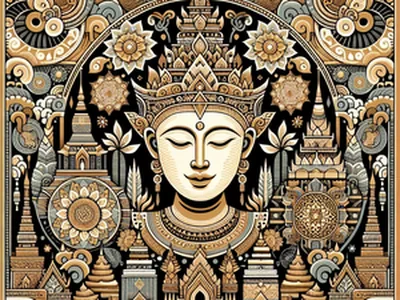


Jingpo
Northern Myanmar, Southwestern China JingpoChineseBurmese
The Jingpo people are an ethnic group primarily residing in the mountainous regions of northern Myanmar and southwestern China. They are known for their rich cultural heritage, traditional music, and vibrant festivals.
Historical Context
The Jingpo have a long history of migration and settlement in the mountainous regions of Southeast Asia. They have maintained a distinct cultural identity despite external influences and have a history of resilience in the face of political and social changes.
Migration Patterns
Historically, the Jingpo migrated from the Tibetan plateau to their current locations in Myanmar and China. Their migration patterns have been influenced by environmental changes and socio-political factors.
Conflict And Resilience History
The Jingpo have a history marked by resilience in the face of regional conflicts, particularly in Myanmar, where they have been involved in struggles for autonomy and recognition.
Diaspora Perspectives
Jingpo communities in diaspora maintain strong cultural ties through festivals and community gatherings, often focusing on preserving language and traditions.
Regional Variations
There are variations in dialects and customs among Jingpo communities in different regions, influenced by local interactions and historical migrations.
Bridging Notes
Efforts to bridge cultural gaps often involve promoting mutual understanding and respect for Jingpo traditions and their historical context.
Spiritual And Religious Practices
The Jingpo practice a blend of animism and Buddhism, with a strong emphasis on ancestor worship and nature spirits. Rituals and ceremonies are integral to their spiritual life.
Beliefs And Worldview
The Jingpo worldview is deeply connected to nature, with a belief in the interdependence of all living things. They emphasize harmony with the environment and respect for ancestral traditions.
Cultural Proverbs Sayings
Jingpo proverbs often reflect their values of community, resilience, and respect for nature, such as 'The strength of the bamboo is in its roots.'
Naming Conventions And Terms Of Address
Naming conventions among the Jingpo often include clan names, and terms of address are used to show respect for elders and social hierarchy.
Health And Mental Health
Traditional Jingpo health practices include herbal medicine and spiritual healing, often complemented by modern healthcare services where available.
Mental Health Views
Mental health is often approached through traditional beliefs and practices, with an emphasis on community support and spiritual healing.
Traditional Healers
Traditional healers, known as 'Daiwa', play a crucial role in Jingpo communities, offering herbal remedies and spiritual guidance.
Gender Roles In Healthcare
In Jingpo culture, women often play a significant role in healthcare, both as caregivers within the family and as traditional healers.
Healthcare Barriers
Access to modern healthcare facilities is limited in remote areas, and language barriers can impede effective communication with healthcare providers.
Education And Learning Styles
Education among the Jingpo often involves a mix of formal schooling and traditional knowledge passed down through generations, with an emphasis on community-based learning.
Learning Styles
Jingpo education traditionally emphasizes oral storytelling and practical skills, with a strong focus on community-based learning and cultural transmission.
Parental Engagement
Parents in Jingpo communities are actively involved in their children's education, often emphasizing the importance of cultural heritage alongside academic achievement.
Family And Social Structure
The Jingpo have a strong clan-based social structure, with extended families living together and elders playing a central role in decision-making.
Discipline And Behavior
Discipline in Jingpo communities is often community-oriented, with a focus on maintaining harmony and respect within the family and clan.
Authority Attitudes
Respect for elders and traditional leaders is a cornerstone of Jingpo society, with authority figures often mediating conflicts and guiding community decisions.
Etiquette And Customs
Jingpo customs include elaborate greetings and hospitality rituals, reflecting their values of respect and community cohesion.
Community Strengths Resilience
The Jingpo community is known for its resilience, maintaining cultural traditions and social cohesion despite external pressures and changes.
Art Music And Expression
Jingpo culture is rich in artistic expression, including traditional music, dance, and crafts. Their music often features drums and gongs, and dances are performed during festivals.
Cultural Symbols Motifs
Common motifs in Jingpo art include representations of nature, such as animals and plants, symbolizing their connection to the environment.
What Brings Joy
Community gatherings, festivals, and traditional dances bring joy to the Jingpo people, serving as opportunities to celebrate their heritage and strengthen social bonds.
Celebrations Joyful Traditions
The Munao Zongge Festival is a major celebration for the Jingpo, featuring traditional dances, music, and communal feasting.
Cultural Calendar And Holidays
Jingpo cultural events are often tied to the lunar calendar, with festivals marking important agricultural and spiritual milestones.
Additional Notes
Jingpo cultural expressions are not only a form of entertainment but also a means of preserving and transmitting cultural values and history.
Economic Context And Occupations
The Jingpo economy is traditionally based on agriculture, with rice and tea being important crops. In recent years, some have diversified into trade and small businesses.
Housing And Living Arrangements
Jingpo communities often live in traditional wooden houses, with extended families sharing living spaces to maintain close family ties.
Nutrition And Dietary Norms
The Jingpo diet is primarily rice-based, supplemented with vegetables, meat, and locally foraged foods. Meals are often communal, reflecting their social values.
Interpretation Needs
Interpretation services are often needed for Jingpo speakers in healthcare and legal settings, especially in regions where Jingpo is not widely spoken.
Interpreter Notes
When providing interpretation services for the Jingpo, it is important to consider dialectical differences and ensure interpreters are familiar with cultural nuances.
Documentation Traditions
The Jingpo have a rich tradition of oral literature, with stories and histories passed down through generations. Written documentation is less common but is growing with increased literacy efforts.
Interactions With Other Cultures
The Jingpo have historically interacted with neighboring ethnic groups, leading to cultural exchanges and influences, particularly in regions where they coexist with other communities.
Conflict Resolution Mechanisms
Traditional conflict resolution among the Jingpo often involves mediation by elders and community leaders, emphasizing reconciliation and communal harmony.
Cultural Exchange Programs
Cultural exchange programs with neighboring ethnic groups and international communities help promote understanding and preserve Jingpo traditions.
Trade Relations
The Jingpo engage in trade with neighboring regions, exchanging agricultural products and traditional crafts, which helps sustain their economy.
Shared Artistic Projects
Collaborative artistic projects with other ethnic groups often highlight shared cultural themes and promote mutual appreciation.
Intercultural Marriages
Intercultural marriages are not uncommon among the Jingpo, often leading to a blending of traditions and strengthening of intercultural ties.
Shared Educational Initiatives
Educational initiatives that involve multiple ethnic groups focus on promoting cultural diversity and mutual respect, often incorporating traditional knowledge into curricula.
Youth Perspectives
Jingpo youth are increasingly engaged in balancing traditional values with modern aspirations, often advocating for cultural preservation while pursuing educational and economic opportunities.
Education Initiatives
Initiatives aimed at Jingpo youth focus on bilingual education and cultural heritage programs, ensuring they remain connected to their roots while gaining modern skills.
Future Challenges
Challenges for Jingpo youth include navigating identity in a rapidly changing world, access to higher education, and economic opportunities in rural areas.
Youth Employment Trends
Employment trends among Jingpo youth show a shift towards service industries and entrepreneurship, with many seeking opportunities in urban centers.
Future Visions
The Jingpo envision a future where their cultural heritage is preserved and celebrated, while also embracing technological advancements and economic development.
Youth Leadership Roles
Youth leadership roles in Jingpo communities are encouraged, with young people often taking active parts in cultural preservation and community development projects.
Innovation And Startups
There is a growing interest in innovation and startups among Jingpo youth, particularly in areas like sustainable agriculture and cultural tourism.
Festivals And Celebrations
Festivals such as the Munao Zongge are central to Jingpo cultural life, featuring traditional dances, music, and communal activities.
Traditional Medicine Practices
Traditional medicine among the Jingpo includes the use of herbal remedies and spiritual healing practices, often passed down through generations.
Environmental Practices
The Jingpo have a strong tradition of environmental stewardship, with practices that emphasize sustainable agriculture and forest conservation.
Rituals
Rituals in Jingpo culture often involve offerings to ancestors and nature spirits, reflecting their spiritual beliefs and connection to the land.
Rites Of Passage
Rites of passage, such as coming-of-age ceremonies, are important in Jingpo culture, marking transitions in social status and responsibilities.
Culinary Traditions
Jingpo culinary traditions include dishes made from locally sourced ingredients, with an emphasis on communal meals and sharing.
Climate Adaptation Strategies
Adaptation strategies include traditional agricultural techniques that are resilient to climate variations, ensuring food security and sustainability.
Biodiversity Conservation
The Jingpo engage in biodiversity conservation through community-led initiatives that protect local flora and fauna, often integrating traditional knowledge.
Sustainable Tourism Practices
Sustainable tourism practices are being developed to showcase Jingpo culture and natural landscapes, providing economic benefits while preserving cultural integrity.
Renewable Energy Use
There is growing interest in renewable energy use among Jingpo communities, with initiatives to harness solar and hydroelectric power.
Community Involvement In Practices
Community involvement is key to Jingpo environmental and cultural practices, with collective decision-making and participation in conservation efforts.
Environmental Education Programs
Environmental education programs in Jingpo areas focus on teaching traditional ecological knowledge alongside modern conservation techniques.
Notable Figures
Notable figures in Jingpo culture include community leaders and artists who have contributed to cultural preservation and advocacy.
Cultural Innovations
Cultural innovations among the Jingpo often involve the fusion of traditional art forms with contemporary expressions, promoting cultural continuity.
Literary Works
Jingpo literary works include oral traditions and written stories that capture their history, myths, and cultural values.
Architectural Styles
Traditional Jingpo architecture features stilted wooden houses, designed to suit the mountainous terrain and climate of their regions.
Scientific Contributions
Scientific contributions from the Jingpo include traditional agricultural practices that enhance biodiversity and soil conservation.
Culinary Innovations
Culinary innovations involve the adaptation of traditional Jingpo dishes to modern tastes, often incorporating new ingredients while maintaining cultural authenticity.
Global Influence
Jingpo culture has influenced global perceptions of ethnic diversity in Southeast Asia, contributing to cultural tourism and international cultural exchanges.
Awards And Recognition
Jingpo cultural achievements have been recognized through various awards in cultural preservation and community development.
Modern Influences
Modern influences on Jingpo culture include increased access to technology and education, leading to shifts in lifestyle and economic activities.
Digital Presence
The Jingpo are increasingly present in digital spaces, using social media and online platforms to share cultural content and connect with diaspora communities.
Globalization Effects
Globalization has brought both opportunities and challenges to the Jingpo, affecting traditional practices and introducing new cultural dynamics.
Urbanization Effects
Urbanization has led to migration of Jingpo youth to cities, impacting traditional social structures and creating new cultural expressions.
Technology Adoption
Technology adoption among the Jingpo includes the use of mobile phones and internet for communication, education, and cultural promotion.
Hybrid Cultural Forms
Hybrid cultural forms are emerging as Jingpo traditions blend with modern influences, seen in music, fashion, and art.
Social Media Presence
Social media presence is growing among the Jingpo, with platforms used to promote cultural events, share stories, and engage with broader audiences.
Challenges
Challenges facing the Jingpo include cultural preservation in the face of modernization, economic development, and political instability in some regions.
Preservation Efforts
Preservation efforts focus on documenting traditional knowledge, promoting cultural education, and supporting community-led initiatives to maintain cultural heritage.
Cultural Artwork
Community Discussion
Further Reading
Explore credible external sources to deepen your understanding of Jingpo culture.