

Jadgals
Sistan and Baluchestan province in Iran and Balochistan in Pakistan JadgaliBalochiUrduPersian
The Jadgals are an ethnic group primarily found in the border regions of Iran and Pakistan, known for their unique cultural practices and language.
Historical Context
The Jadgals have a rich history intertwined with the Baloch people, with whom they share some cultural similarities. Historically, they have been semi-nomadic, adapting to the harsh desert environment of their region.
Migration Patterns
The Jadgals have historically migrated within the border regions of Iran and Pakistan, often due to environmental and socio-political factors.
Conflict And Resilience History
The Jadgals have historically faced challenges due to their location in a geopolitically sensitive region. They have experienced periods of conflict, particularly related to tribal disputes and border tensions. Despite these challenges, the Jadgals have shown resilience by maintaining their cultural identity and adapting to changing political landscapes.
Diaspora Perspectives
Jadgals who have migrated to urban areas or abroad often face challenges in preserving their cultural identity. However, they maintain strong ties to their homeland through community networks and cultural associations.
Regional Variations
Within the Jadgal community, there are variations in dialects and cultural practices depending on the specific region they inhabit, influenced by local customs and interactions with neighboring ethnic groups.
Bridging Notes
Understanding the Jadgals requires an appreciation of their dual identity as both a distinct ethnic group and part of the broader Baloch cultural sphere.
Spiritual And Religious Practices
The Jadgals predominantly practice Islam, with Sunni Islam being the most common denomination. Their religious practices are often intertwined with local traditions and customs, reflecting a blend of Islamic and indigenous beliefs.
Beliefs And Worldview
Jadgals value community cohesion, respect for elders, and hospitality. Their worldview is shaped by a strong sense of identity and pride in their cultural heritage, as well as a deep connection to their ancestral lands.
Cultural Proverbs Sayings
Jadgal proverbs often emphasize wisdom, patience, and the importance of community. These sayings are used to impart moral lessons and cultural values to younger generations.
Naming Conventions And Terms Of Address
Naming conventions among the Jadgals often reflect Islamic influences, with names commonly derived from Arabic. Terms of address are respectful, with a strong emphasis on familial and social hierarchies.
Health And Mental Health
Access to healthcare can be limited in Jadgal regions, leading to reliance on traditional medicine and community healers. Mental health is often viewed through a cultural lens, with community support playing a crucial role in addressing mental health issues.
Mental Health Views
Mental health is often approached with traditional beliefs, and there may be stigma associated with mental health issues.
Traditional Healers
Traditional healers, known as 'Hakims', play a significant role in providing healthcare, especially in rural areas.
Gender Roles In Healthcare
Gender roles in healthcare among the Jadgals are influenced by traditional norms, with women often responsible for family health and wellness, while men may handle interactions with external healthcare providers.
Healthcare Barriers
Access to modern healthcare facilities is limited, and cultural beliefs may influence the acceptance of certain medical practices.
Education And Learning Styles
Education among the Jadgals is often influenced by traditional methods, with an emphasis on oral transmission of knowledge. Formal education is increasingly valued, but access can be limited in rural areas.
Learning Styles
Learning is often oral and community-based, with a strong emphasis on practical skills and knowledge passed down through generations.
Parental Engagement
Parents in Jadgal communities are typically involved in their children's education, emphasizing the importance of both formal schooling and cultural education at home.
Family And Social Structure
The Jadgal community is organized around extended family units, with strong kinship ties and a patriarchal social structure. Elders hold significant authority and are respected for their wisdom and experience.
Discipline And Behavior
Discipline in Jadgal communities is often community-based, with a focus on maintaining social harmony and respect for elders. Traditional methods of discipline are employed, emphasizing correction and guidance.
Authority Attitudes
Authority is respected in Jadgal culture, with a clear hierarchy in both family and community settings. Elders and community leaders are looked to for guidance and decision-making.
Etiquette And Customs
Jadgal customs emphasize hospitality, respect for guests, and adherence to traditional etiquette. Social interactions are governed by a strong sense of respect and community values.
Community Strengths Resilience
The Jadgal community is known for its resilience, maintaining cultural traditions despite external pressures. Strong community bonds and a shared cultural identity contribute to their ability to adapt and thrive.
Art Music And Expression
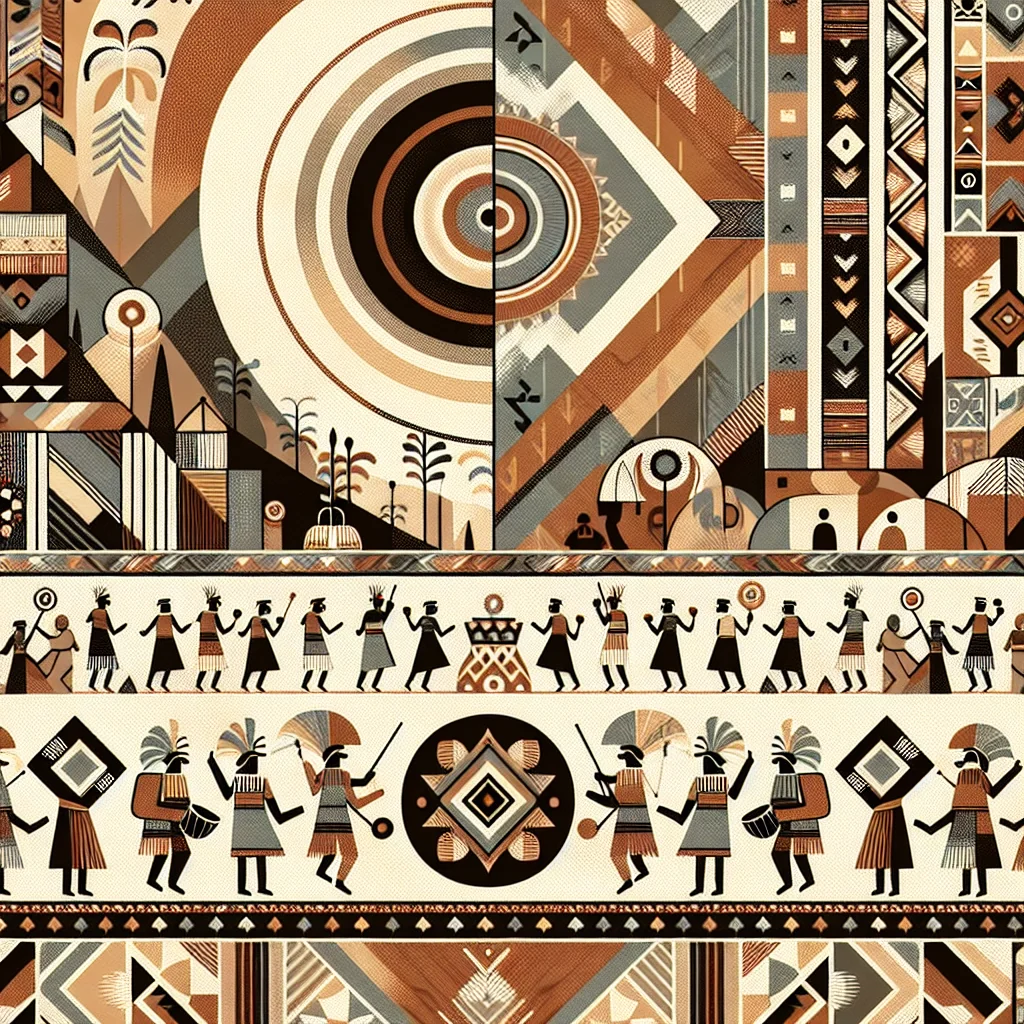
Jadgal culture is rich in oral traditions, music, and dance. Traditional music often features instruments like the dhol and harmonium, and storytelling is a key form of cultural expression.
Cultural Symbols Motifs
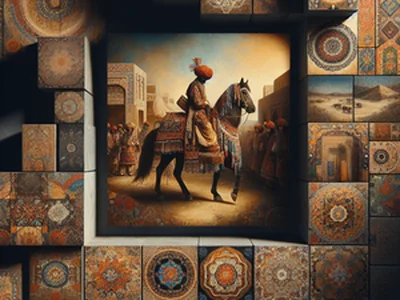
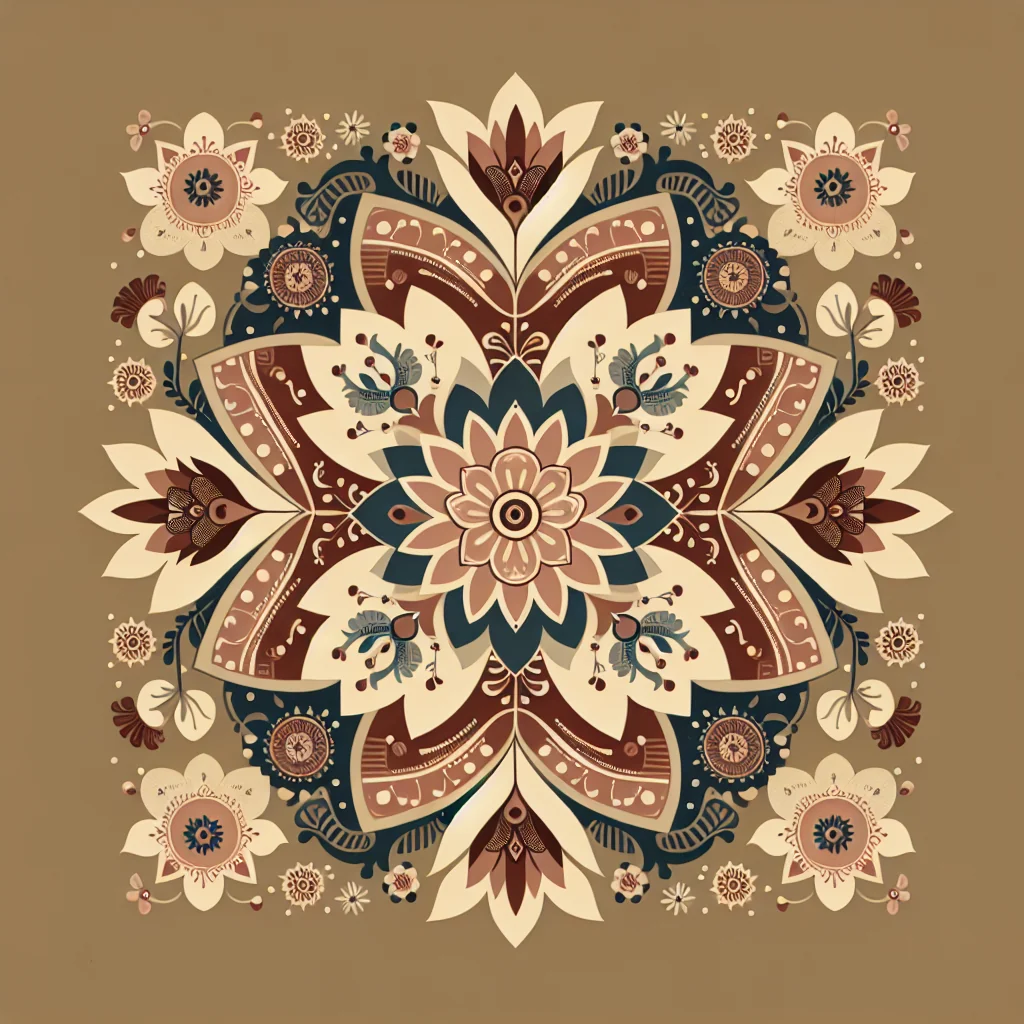
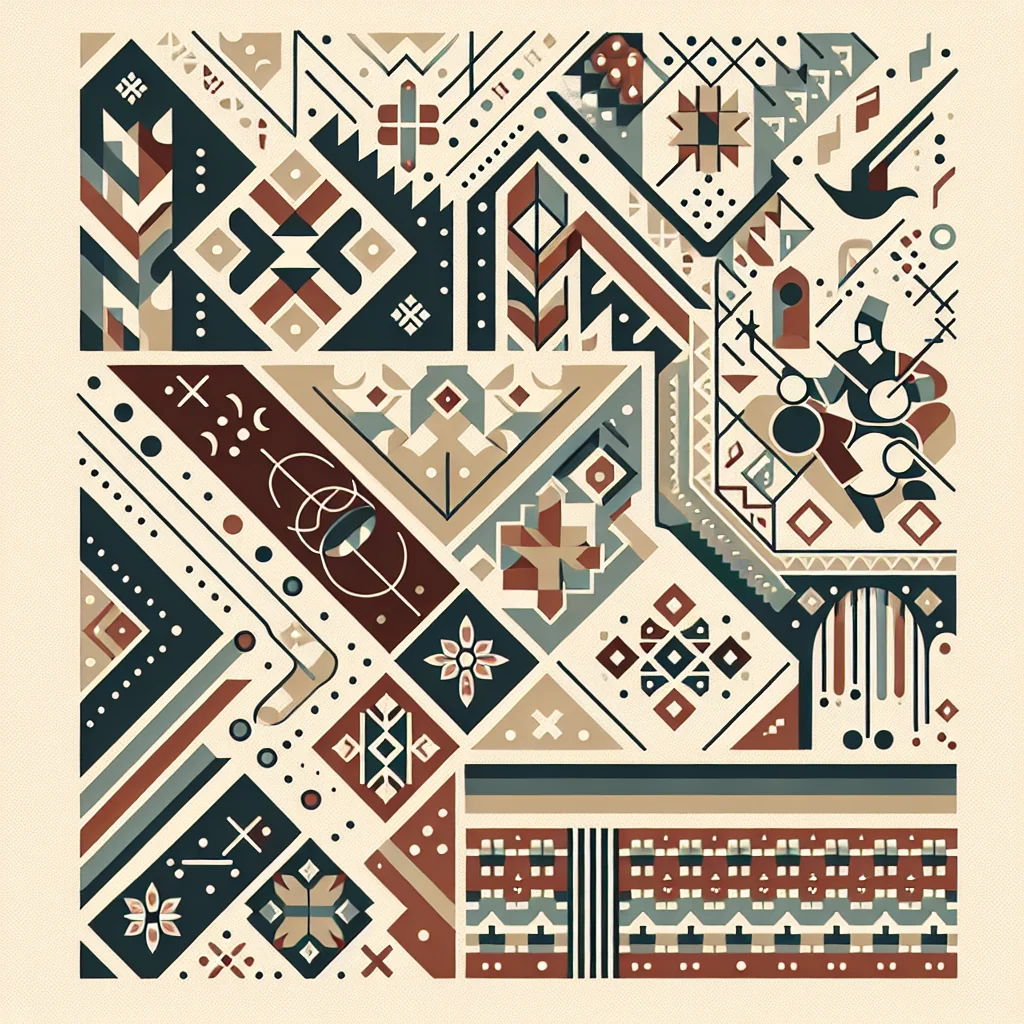
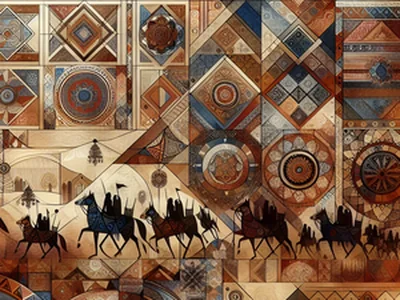
Common cultural symbols include traditional patterns used in textiles and crafts, which often carry symbolic meanings related to nature and heritage.
What Brings Joy
Community gatherings, music, and dance are central to Jadgal celebrations and bring joy to the community. Festivals and family events are occasions for joy and cultural expression.
Celebrations Joyful Traditions
Jadgals celebrate both Islamic festivals and local cultural events, which are marked by communal feasts, music, and dance.
Cultural Calendar And Holidays
The Jadgals celebrate traditional festivals such as Nowruz and Eid, which are significant cultural and religious events.
Additional Notes
Music and dance are integral parts of Jadgal cultural expression, often featuring traditional instruments and folk songs.
Economic Context And Occupations
The Jadgals are traditionally engaged in agriculture, livestock herding, and fishing. Economic opportunities can be limited, leading some to migrate to urban areas for work.
Housing And Living Arrangements
Housing in Jadgal communities is often traditional, with extended families living together. In rural areas, homes are typically constructed from locally available materials.
Nutrition And Dietary Norms
The Jadgal diet is influenced by local agriculture and includes staples like rice, wheat, and fish. Traditional meals are often communal, reflecting the importance of family and community.
Interpretation Needs
Due to linguistic diversity, interpretation services may be necessary for Jadgals interacting with non-native speakers.
Interpreter Notes
When interacting with Jadgal speakers, interpreters familiar with the Jadgali language and cultural nuances are essential for effective communication.
Documentation Traditions
Oral traditions are strong, with stories and history often passed down verbally rather than through written records.
Interactions With Other Cultures
The Jadgals have historically interacted with neighboring Baloch and Brahui communities, leading to cultural exchanges and shared traditions.
Conflict Resolution Mechanisms
Traditional conflict resolution among the Jadgals often involves community elders and tribal leaders, who mediate disputes and seek consensus.
Cultural Exchange Programs
There are limited formal cultural exchange programs, but informal exchanges occur through trade and migration.
Trade Relations
Trade with neighboring regions has historically been important for the Jadgals, particularly in agricultural and livestock products.
Shared Artistic Projects
Collaborations in music and art with neighboring cultures are common, reflecting shared regional influences.
Intercultural Marriages
Intercultural marriages occur, particularly with neighboring Baloch communities, reflecting shared cultural and linguistic ties.
Shared Educational Initiatives
Educational initiatives often involve collaboration with neighboring communities to improve literacy and educational access.
Youth Perspectives
Jadgal youth are increasingly seeking education and employment opportunities beyond traditional occupations, balancing modern aspirations with cultural heritage.
Education Initiatives
Efforts are being made to improve educational access and quality for Jadgal youth, focusing on both traditional and modern curricula.
Future Challenges
Challenges for the Jadgal youth include limited access to education and employment, as well as the need to preserve cultural identity in a rapidly changing world.
Youth Employment Trends
Youth employment is often centered around traditional occupations, but there is a growing interest in diversifying career opportunities.
Future Visions
The Jadgal community aims to preserve their cultural heritage while adapting to modern challenges and opportunities.
Youth Leadership Roles
Youth leadership is emerging in Jadgal communities, with young people taking active roles in cultural preservation and community development.
Innovation And Startups
There is a budding interest in entrepreneurship among Jadgal youth, particularly in areas like technology and sustainable practices.
Festivals And Celebrations
Jadgal festivals often coincide with Islamic holidays and local agricultural cycles, featuring music, dance, and communal feasting.
Traditional Medicine Practices
Traditional medicine is practiced among the Jadgals, with remedies derived from local herbs and plants, often administered by community healers.
Environmental Practices
The Jadgals have a deep connection to their environment, practicing sustainable agriculture and livestock management to preserve their natural resources.
Rituals
Rituals in Jadgal culture are often tied to life events such as births, marriages, and deaths, incorporating both Islamic and traditional elements.
Rites Of Passage
Rites of passage, such as coming-of-age ceremonies, are important in Jadgal culture, marking transitions in social status and responsibilities.
Culinary Traditions
Jadgal cuisine features a mix of local ingredients and traditional recipes, with dishes often prepared for communal gatherings and celebrations.
Climate Adaptation Strategies
The Jadgals have developed strategies to cope with the harsh desert climate, including water conservation and sustainable agriculture practices.
Biodiversity Conservation
Efforts are made to preserve local flora and fauna, recognizing their importance to the ecosystem and cultural heritage.
Sustainable Tourism Practices
There is potential for sustainable tourism that highlights the unique cultural and natural heritage of the Jadgal regions.
Renewable Energy Use
Interest in renewable energy sources, such as solar power, is growing as a means to improve living standards and reduce environmental impact.
Community Involvement In Practices
Community involvement is crucial in environmental and cultural preservation efforts, with local leaders playing key roles.
Environmental Education Programs
Programs are being developed to educate the community, especially the youth, about environmental conservation and sustainable practices.
Notable Figures
The Jadgal community has produced notable figures in the fields of music and traditional crafts.
Cultural Innovations
Innovations in traditional music and crafts have gained recognition beyond their immediate region.
Literary Works
Oral literature, including poetry and storytelling, is a significant part of Jadgal cultural heritage.
Architectural Styles
Jadgal architecture often features traditional designs using local materials, reflecting both functional and aesthetic considerations suited to their environment.
Scientific Contributions
The Jadgals have traditionally been involved in agricultural innovations, particularly in arid land farming techniques. Their knowledge of water conservation and soil management has been crucial in sustaining their communities in challenging environments.
Culinary Innovations
The Jadgals are known for unique culinary practices that incorporate local ingredients and traditional methods.
Global Influence
While primarily regional, Jadgal cultural practices have influenced neighboring communities through migration and trade.
Awards And Recognition
Recognition has been given to Jadgal artists and musicians in regional cultural festivals.
Modern Influences
Modern influences on Jadgal culture include increased access to technology and education, leading to shifts in traditional practices and lifestyles.
Digital Presence
The Jadgal community is gradually increasing its digital presence, with social media being used to share cultural content.
Globalization Effects
Globalization has brought both opportunities and challenges to the Jadgals, influencing cultural practices and economic activities.
Urbanization Effects
Urbanization is impacting traditional lifestyles, with younger generations moving to cities for education and employment.
Technology Adoption
Technology adoption is growing among the Jadgals, particularly among the youth, who use digital tools for education and communication.
Hybrid Cultural Forms
Hybrid cultural forms are emerging, blending traditional Jadgal practices with modern influences.
Social Media Presence
Social media platforms are used by Jadgal youth to connect with broader cultural and social movements.
Challenges
The Jadgals face challenges in preserving their language and cultural practices amid external pressures and modernization.
Preservation Efforts
Efforts to preserve Jadgal culture include community initiatives to document language and traditions, as well as cultural festivals that celebrate their heritage.
Cultural Artwork
Community Discussion
Further Reading
Explore credible external sources to deepen your understanding of Jadgals culture.