
Ivatans
Batanes Islands, Philippines IvatanFilipinoEnglish
The Ivatans are an indigenous ethnolinguistic group native to the Batanes Islands in the Philippines, known for their unique cultural practices and resilience in a harsh environment.
Historical Context
The Ivatans have inhabited the Batanes Islands for centuries, developing a distinct culture influenced by their Austronesian roots and interactions with Spanish colonizers. Their history is marked by adaptation to the islands' challenging climate and geography.
Migration Patterns
Historically, the Ivatans have experienced limited migration due to the isolated nature of the Batanes Islands. However, in recent decades, some have migrated to mainland Luzon and abroad for economic opportunities.
Conflict And Resilience History
The Ivatans have historically faced challenges due to their geographic isolation and the frequent typhoons that hit the Batanes Islands. Despite these challenges, they have developed a strong sense of community resilience, evident in their architectural innovations and communal farming practices.
Diaspora Perspectives
While most Ivatans remain in Batanes, some have migrated to other parts of the Philippines and abroad, maintaining cultural ties through community organizations and cultural events.
Regional Variations
Within the Batanes Islands, there are slight variations in dialects and customs among the different islands, such as Batan, Sabtang, and Itbayat.
Bridging Notes
Efforts to bridge the Ivatans with the broader Filipino culture include cultural exchange programs and the promotion of Ivatan crafts and traditions in national festivals.
Spiritual And Religious Practices
The Ivatans predominantly practice Roman Catholicism, which is intertwined with indigenous beliefs and practices. They celebrate Catholic feasts with unique local traditions, such as the Vakul-Kanayi Festival.
Beliefs And Worldview
The Ivatans have a deep respect for nature and the environment, viewing themselves as stewards of their land. Their worldview is shaped by the need to adapt to the harsh climate of Batanes, fostering a culture of resilience and community cooperation.
Cultural Proverbs Sayings
Ivatan proverbs often reflect themes of community, resilience, and respect for nature, such as 'Kapian ka pa nu dios' (May God be with you).
Naming Conventions And Terms Of Address
Ivatan naming conventions often include Spanish influences due to historical colonization, with common use of both first names and surnames. Terms of address are respectful and often include familial titles.
Health And Mental Health
Health practices among the Ivatans are influenced by both traditional and modern medicine. Access to healthcare can be limited due to geographic isolation, but community health initiatives are in place to address common health issues.
Mental Health Views
Mental health is traditionally viewed through a communal lens, with community support playing a crucial role in individual well-being. Modern influences are gradually changing perceptions, encouraging more open discussions about mental health.
Traditional Healers
Traditional healers, known as 'herbolarios,' play an important role in Ivatan health practices, using herbal remedies and spiritual healing methods passed down through generations.
Gender Roles In Healthcare
In Ivatan culture, both men and women participate in healthcare practices, though women often take on caregiving roles within the family.
Healthcare Barriers
Geographical isolation and limited access to modern healthcare facilities pose significant barriers. Language differences and cultural practices may also hinder effective communication with healthcare providers from outside the community.
Education And Learning Styles
Education in Ivatan communities emphasizes both formal schooling and the transmission of traditional knowledge, such as farming and fishing techniques. Learning is often experiential, with elders playing a key role in teaching younger generations.
Learning Styles
Ivatan learning styles are often experiential, with a strong emphasis on oral traditions and practical skills. Education is community-oriented, with knowledge passed down through storytelling and hands-on activities.
Parental Engagement
Parents in Ivatan communities are actively involved in their children's education, often participating in school activities and supporting traditional learning at home.
Family And Social Structure
The Ivatan social structure is family-oriented, with extended families living in close-knit communities. Elders are respected and often consulted for advice and decision-making.
Discipline And Behavior
Discipline in Ivatan families is generally gentle, with an emphasis on teaching children through example and community values.
Authority Attitudes
Respect for authority is a significant aspect of Ivatan culture, with community leaders and elders holding influential roles.
Etiquette And Customs
Ivatan etiquette includes showing respect to elders, communal sharing of resources, and hospitality towards guests. Traditional customs are observed during festivals and community gatherings.
Community Strengths Resilience
The Ivatans are known for their resilience, particularly in the face of natural disasters. Community cooperation and mutual support are key strengths that help them overcome challenges.
Art Music And Expression
Ivatan art and music are deeply connected to their environment, with traditional songs and dances often depicting daily life and nature. Weaving is a prominent form of artistic expression, with vakul (headgear) and kanayi (vest) being iconic Ivatan crafts.
Cultural Symbols Motifs
The vakul and kanayi are cultural symbols representing Ivatan identity and resilience. Stone houses are also a significant motif, symbolizing strength and adaptability.
What Brings Joy
Community gatherings, traditional music and dance, and the celebration of festivals bring joy to the Ivatan people. The natural beauty of Batanes also provides a sense of peace and happiness.
Celebrations Joyful Traditions
The Ivatans celebrate various festivals, such as the Vakul-Kanayi Festival, which showcases their traditional attire and crafts. These celebrations are marked by music, dance, and communal feasting.
Cultural Calendar And Holidays
Ivatan cultural events are often tied to the agricultural calendar and Catholic religious holidays, with unique local traditions incorporated into these celebrations.
Additional Notes
The Ivatans' cultural expressions are closely tied to their environment, with many traditions and practices aimed at preserving their natural heritage.
Economic Context And Occupations
The Ivatan economy is primarily based on agriculture, fishing, and tourism. Traditional farming and fishing methods are still widely practiced, with tourism providing additional economic opportunities.
Housing And Living Arrangements
Ivatan houses are traditionally made of stone and thatch, designed to withstand typhoons. Families often live in close-knit communities, with extended family members residing nearby.
Nutrition And Dietary Norms
The Ivatan diet is largely based on locally sourced produce, including root crops, vegetables, and fish. Traditional dishes often feature these ingredients, reflecting the community's reliance on agriculture and fishing.
Interpretation Needs
Interpretation needs may arise when interacting with non-Ivatan speakers, especially in healthcare and legal settings, to ensure accurate communication and understanding.
Interpreter Notes
While many Ivatans speak Filipino and English, interpretation services may be needed for those who primarily speak Ivatan, especially in formal or medical settings.
Documentation Traditions
Documentation of Ivatan culture and language is primarily oral, with efforts underway to preserve these through written records and digital media.
Interactions With Other Cultures
The Ivatans have historically interacted with other Filipino cultures through trade and migration. These interactions have influenced their language and customs, while they have maintained a distinct cultural identity.
Conflict Resolution Mechanisms
Conflict resolution in Ivatan communities often involves mediation by elders or community leaders, emphasizing dialogue and consensus.
Cultural Exchange Programs
Cultural exchange programs with other regions in the Philippines help promote Ivatan culture and foster mutual understanding.
Trade Relations
The Ivatans engage in trade with nearby regions, exchanging agricultural products and crafts. This trade is essential for acquiring goods not locally available.
Shared Artistic Projects
Collaborative artistic projects with other Filipino artists help showcase Ivatan culture and promote cultural diversity.
Intercultural Marriages
Intercultural marriages between Ivatans and individuals from other Filipino ethnic groups are common, reflecting broader social integration.
Shared Educational Initiatives
Educational initiatives that include Ivatan cultural studies help preserve their heritage and promote cultural awareness among younger generations.
Youth Perspectives
Ivatan youth are increasingly engaged in preserving their cultural heritage while also embracing modern opportunities. They value education and are active in community development.
Education Initiatives
Educational initiatives in Batanes focus on integrating traditional knowledge with modern education, encouraging youth to appreciate their heritage while pursuing academic success.
Future Challenges
Future challenges for the Ivatans include climate change impacts, economic sustainability, and preserving cultural identity amidst modernization.
Youth Employment Trends
Youth employment in Batanes is often linked to tourism, agriculture, and education, with many young Ivatans seeking opportunities both locally and in urban areas.
Future Visions
The Ivatans envision a future where their cultural heritage is preserved and celebrated, with sustainable development ensuring economic stability and environmental protection.
Youth Leadership Roles
Youth leadership roles in Ivatan communities are encouraged, with young people participating in local governance and cultural preservation efforts.
Innovation And Startups
Innovation among Ivatan youth includes initiatives in sustainable tourism, agriculture, and crafts, with startups focusing on promoting local products and services.
Festivals And Celebrations
Ivatan festivals, such as the Vakul-Kanayi Festival, celebrate their unique cultural attire and crafts, fostering community pride and cultural continuity.
Traditional Medicine Practices
Traditional Ivatan medicine includes the use of herbal remedies and practices passed down through generations, often used alongside modern healthcare.
Environmental Practices
The Ivatans practice sustainable agriculture and fishing, with a strong emphasis on environmental conservation to protect their natural resources.
Rituals
Ivatan rituals often involve offerings and prayers to ensure good harvests and protection from natural disasters, reflecting their deep connection to the land.
Rites Of Passage
Rites of passage in Ivatan culture include ceremonies for birth, coming of age, marriage, and death, each marked by specific traditions and community involvement.
Culinary Traditions
Ivatan culinary traditions feature locally sourced ingredients, with dishes like uvud (banana pith meatballs) and turmeric rice being staples in their diet.
Climate Adaptation Strategies
The Ivatans have developed climate adaptation strategies, such as building robust stone houses and practicing crop diversification, to mitigate the impacts of typhoons and climate change.
Biodiversity Conservation
Efforts to conserve biodiversity in Batanes include protecting endemic species and maintaining traditional farming practices that support ecological balance.
Sustainable Tourism Practices
Sustainable tourism practices in Batanes focus on minimizing environmental impact and promoting cultural heritage, ensuring that tourism benefits the local community.
Renewable Energy Use
Renewable energy initiatives in Batanes include the use of solar power and other sustainable energy sources to reduce reliance on imported fuels.
Community Involvement In Practices
Community involvement is central to Ivatan environmental and cultural practices, with collective efforts to preserve their heritage and natural resources.
Environmental Education Programs
Environmental education programs in Batanes aim to raise awareness among the youth about the importance of conservation and sustainable practices.
Notable Figures
Notable Ivatan figures include artists, educators, and leaders who have contributed to the preservation and promotion of Ivatan culture.
Cultural Innovations
Ivatan cultural innovations include their unique stone house architecture and traditional weaving techniques, which have gained recognition for their resilience and craftsmanship.
Literary Works
Ivatan literary works often explore themes of nature, community, and resilience, with local authors contributing to the preservation of oral traditions and stories.
Architectural Styles
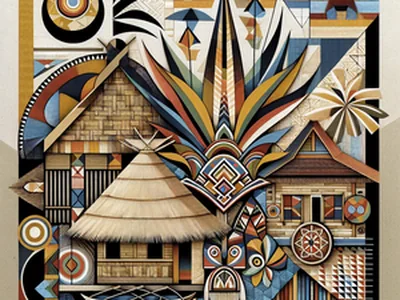
Ivatan architectural styles are characterized by stone houses with thick walls and cogon roofs, designed to withstand the harsh weather of Batanes.
Scientific Contributions
Scientific contributions from the Ivatan community include research on sustainable agriculture and climate adaptation, reflecting their deep understanding of their environment.
Culinary Innovations
Ivatan culinary innovations involve the creative use of local ingredients, with traditional dishes gaining popularity beyond Batanes.
Global Influence
The Ivatans' unique culture and sustainable practices have gained global attention, contributing to discussions on climate resilience and cultural preservation.
Awards And Recognition
Ivatan culture and practices have received recognition through various awards, highlighting their contributions to cultural heritage and environmental sustainability.
Modern Influences
Modern influences on Ivatan culture include technology, education, and tourism, which have introduced new opportunities and challenges.
Digital Presence
The Ivatans have a growing digital presence, with social media and online platforms used to promote their culture and connect with the diaspora.
Globalization Effects
Globalization has brought both opportunities and challenges to the Ivatans, influencing their economy, culture, and lifestyle.
Urbanization Effects
Urbanization effects are limited in Batanes due to its geographic isolation, but there is a gradual shift towards modern amenities and infrastructure.
Technology Adoption
Technology adoption among the Ivatans includes the use of mobile phones and the internet, enhancing communication and access to information.
Hybrid Cultural Forms
Hybrid cultural forms in Ivatan society include the blending of traditional and modern practices in areas such as music, art, and cuisine.
Social Media Presence
Social media presence among the Ivatans is increasing, with platforms used to share cultural content and engage with broader audiences.
Challenges
Challenges facing the Ivatans include climate change, economic sustainability, and the preservation of cultural identity amidst modernization.
Preservation Efforts
Preservation efforts for Ivatan culture include cultural education programs, heritage conservation projects, and the promotion of traditional crafts and practices.
Cultural Artwork
Community Discussion
Further Reading
Explore credible external sources to deepen your understanding of Ivatans culture.