
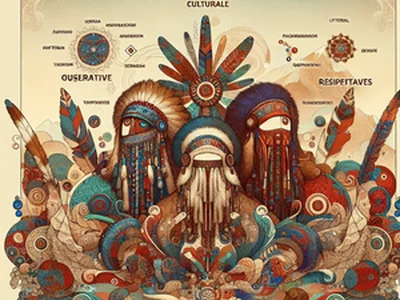
Itelmens
Kamchatka Peninsula, Russia ItelmenRussian
The Itelmens are an indigenous people of the Kamchatka Peninsula in Russia, known for their rich cultural traditions, language, and connection to the natural environment.
Historical Context
The Itelmens have lived on the Kamchatka Peninsula for thousands of years, developing a unique culture adapted to the harsh environment. They experienced significant changes during Russian colonization in the 18th century, which brought about cultural assimilation and population decline.
Migration Patterns
Traditionally, the Itelmens were semi-nomadic, moving seasonally to follow food sources. Modern migration patterns have been influenced by economic opportunities and urbanization, leading some Itelmens to relocate to cities.
Conflict And Resilience History
The Itelmens have faced numerous challenges, including Russian colonization in the 18th century, which led to significant cultural and population changes.
Diaspora Perspectives
While most Itelmens remain in Kamchatka, some have moved to urban areas in Russia, maintaining cultural ties through community networks.
Regional Variations
There are slight variations in dialect and traditions among Itelmen communities, influenced by geographic separation and interaction with neighboring cultures.
Bridging Notes
Efforts to revitalize the Itelmen language and culture are ongoing, with support from both local and international organizations.
Spiritual And Religious Practices
Traditional Itelmen spirituality is animistic, with a deep reverence for nature and belief in spirits inhabiting natural elements.
Beliefs And Worldview
The Itelmen worldview is centered around harmony with nature, emphasizing respect for the land and its resources.
Cultural Proverbs Sayings
Itelmen proverbs often reflect their connection to nature, such as 'The river is our mother, the forest our father.'
Naming Conventions And Terms Of Address
Names are often derived from nature, and respectful terms of address are used for elders and community leaders.
Health And Mental Health
Traditional Itelmen health practices include the use of natural remedies and a holistic approach to well-being.
Mental Health Views
Mental health is traditionally viewed through a holistic lens, with an emphasis on community and spiritual well-being. Modern influences have introduced new perspectives, but traditional views remain significant.
Traditional Healers
Traditional healers, known as shamans, play a crucial role in Itelmen society, using rituals and natural remedies to treat physical and spiritual ailments.
Gender Roles In Healthcare
Traditionally, women play a significant role in healthcare, particularly in the use of herbal medicine and caregiving.
Healthcare Barriers
Barriers include limited access to healthcare facilities in remote areas, language differences, and cultural misunderstandings between healthcare providers and Itelmen patients.
Education And Learning Styles
Education among the Itelmens traditionally involves oral storytelling and hands-on learning, with an emphasis on passing down cultural knowledge.
Learning Styles
Itelmen learning styles traditionally emphasize oral storytelling, observation, and hands-on experience, particularly in relation to nature and survival skills.
Parental Engagement
Parents and elders are actively involved in the education of children, particularly in teaching cultural practices and language.
Family And Social Structure
Itelmen society is traditionally organized around extended family units, with a strong emphasis on community cooperation.
Discipline And Behavior
Discipline is often community-based, with elders playing a key role in guiding behavior through storytelling and example.
Authority Attitudes
Elders hold significant authority and respect within the community, serving as leaders and decision-makers.
Etiquette And Customs
Itelmen customs include hospitality and sharing, with specific rituals for welcoming guests and communal gatherings.
Community Strengths Resilience
The Itelmen community is known for its resilience, maintaining cultural practices despite historical challenges and external pressures.
Art Music And Expression
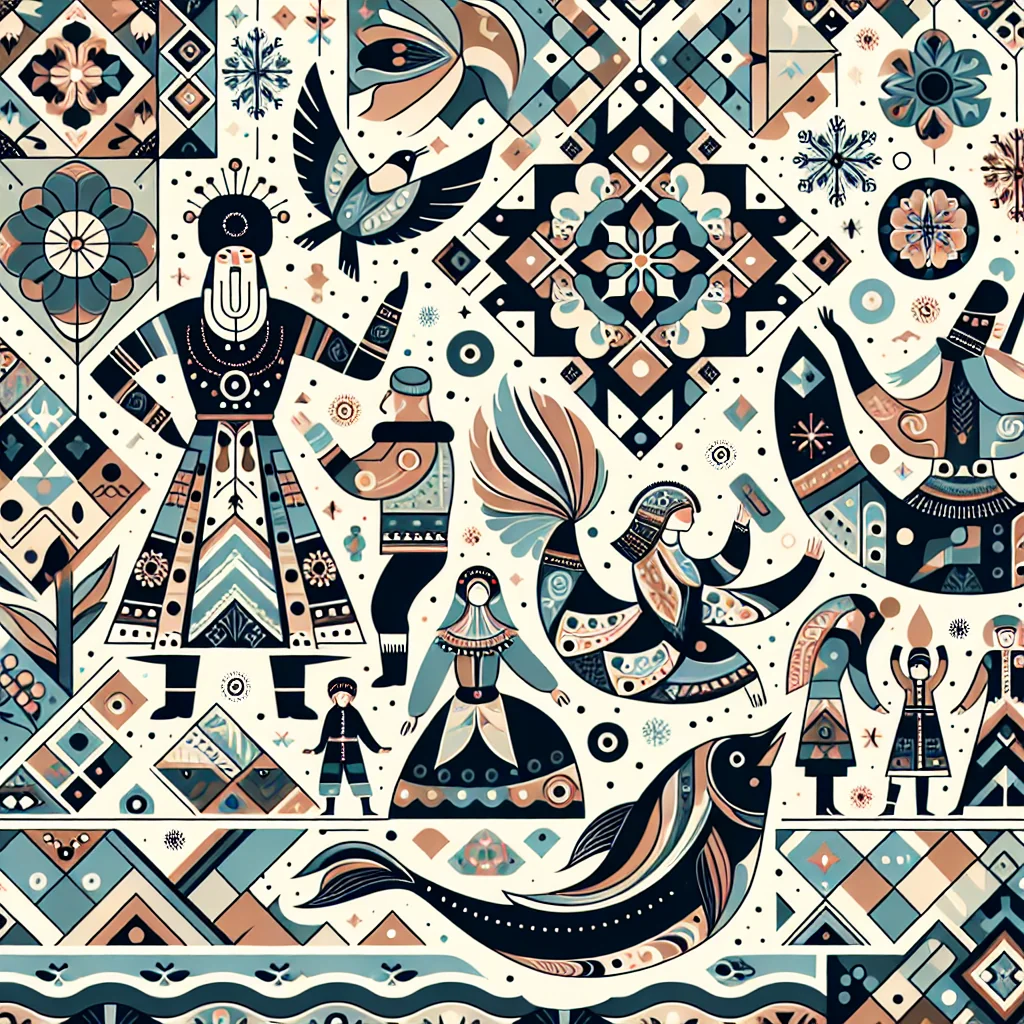
Itelmen art includes intricate carvings and beadwork, while music features traditional instruments like drums and flutes.
Cultural Symbols Motifs
Common motifs include animals and natural elements, reflecting the Itelmens' connection to their environment.
What Brings Joy
Community gatherings, storytelling, and traditional dances are sources of joy and cultural pride.
Celebrations Joyful Traditions
Festivals celebrating seasonal changes and harvests are important cultural events, featuring music, dance, and feasting.
Cultural Calendar And Holidays
Key celebrations align with natural cycles, such as the return of salmon or the onset of winter.
Additional Notes
Efforts to preserve and promote Itelmen culture include festivals and cultural exchanges with other indigenous groups.
Economic Context And Occupations
Traditional occupations include fishing, hunting, and gathering, with some modern engagement in tourism and crafts.
Housing And Living Arrangements
Housing traditionally consists of semi-subterranean dwellings, adapted to the harsh climate of Kamchatka.
Nutrition And Dietary Norms
The Itelmen diet is traditionally based on fish, game, and wild plants, reflecting their reliance on local resources.
Interpretation Needs
There is a need for interpreters fluent in the Itelmen language to facilitate communication in healthcare and legal settings, as many Itelmens are bilingual but prefer their native language.
Interpreter Notes
Efforts are being made to provide interpretation services in Itelmen for cultural events and educational programs.
Documentation Traditions
Documentation of Itelmen culture has traditionally been oral, with stories and knowledge passed down through generations. Recent efforts focus on written records to preserve the language and traditions.
Interactions With Other Cultures
The Itelmens have historically interacted with neighboring indigenous groups and Russian settlers, influencing cultural exchange.
Conflict Resolution Mechanisms
Traditional conflict resolution involves community discussions led by elders, emphasizing consensus and reconciliation.
Cultural Exchange Programs
Cultural exchange programs with other indigenous groups help promote mutual understanding and cultural preservation.
Trade Relations
Historically, the Itelmens engaged in trade with neighboring groups, exchanging goods like fish and furs.
Shared Artistic Projects
Collaborative artistic projects with other indigenous communities focus on shared cultural themes and expressions.
Intercultural Marriages
Intercultural marriages have occurred, particularly with neighboring indigenous groups, fostering cultural blending.
Shared Educational Initiatives
Educational initiatives often involve collaboration with other indigenous groups to promote language and cultural education.
Youth Perspectives
Itelmen youth are increasingly involved in cultural revitalization efforts, balancing traditional practices with modern influences.
Education Initiatives
Programs aimed at teaching the Itelmen language and culture to younger generations are a priority for community leaders.
Future Challenges
Challenges include cultural preservation in the face of modernization and economic pressures.
Youth Employment Trends
Youth employment often involves a mix of traditional occupations and modern opportunities in tourism and services.
Future Visions
The Itelmen community envisions a future where cultural traditions are preserved and integrated with sustainable development.
Youth Leadership Roles
Youth are encouraged to take on leadership roles in cultural and community initiatives, ensuring the continuity of traditions.
Innovation And Startups
There is growing interest in startups that focus on sustainable tourism and cultural products, led by Itelmen youth.
Festivals And Celebrations
Festivals celebrating natural cycles and community milestones are central to Itelmen cultural life.
Traditional Medicine Practices
Traditional medicine involves the use of local herbs and spiritual practices, often guided by community healers.
Environmental Practices
Sustainable use of natural resources is a core practice, with traditional knowledge guiding fishing and hunting.
Rituals
Rituals often involve offerings to nature spirits and ceremonies marking life events and seasonal changes.
Rites Of Passage
Rites of passage include ceremonies for coming of age, marriage, and other significant life transitions.
Culinary Traditions
Culinary traditions emphasize locally sourced ingredients, with dishes like fish stew and berry preserves.
Climate Adaptation Strategies
Adaptation strategies include traditional knowledge of weather patterns and resource management.
Biodiversity Conservation
Conservation efforts focus on protecting local ecosystems and species, informed by traditional ecological knowledge.
Sustainable Tourism Practices
Sustainable tourism initiatives aim to showcase Itelmen culture while minimizing environmental impact.
Renewable Energy Use
There is interest in exploring renewable energy sources to reduce reliance on external resources.
Community Involvement In Practices
Community involvement is key in environmental and cultural practices, ensuring collective responsibility and participation.
Environmental Education Programs
Programs educate both locals and visitors about the importance of conservation and sustainable practices.
Notable Figures
Notable Itelmen figures include cultural leaders and activists who have worked to preserve and promote Itelmen heritage.
Cultural Innovations
Innovations include the revival of traditional crafts and the integration of modern techniques in cultural expressions.
Literary Works
Literary contributions include oral histories and modern writings that document Itelmen culture and stories.
Architectural Styles
Traditional Itelmen architecture features semi-subterranean homes designed for insulation against harsh climates.
Scientific Contributions
Contributions to ethnobotany and ecology are based on traditional knowledge of local flora and fauna.
Culinary Innovations
Culinary innovations involve the adaptation of traditional recipes for modern tastes and dietary needs.
Global Influence
The Itelmen culture has influenced global understanding of indigenous practices and sustainable living.
Awards And Recognition
Recognition includes awards for cultural preservation and contributions to indigenous knowledge systems.
Modern Influences
Modern influences include the integration of technology in cultural preservation and communication.
Digital Presence
The Itelmen community is increasingly using digital platforms to share cultural content and connect with the diaspora.
Globalization Effects
Globalization presents both challenges and opportunities for cultural exchange and economic development.
Urbanization Effects
Urbanization has led to shifts in traditional lifestyles, with some Itelmens moving to cities for education and work.
Technology Adoption
Technology is being adopted for educational purposes and to facilitate cultural documentation and sharing.
Hybrid Cultural Forms
Hybrid cultural forms emerge as traditional practices are blended with modern influences, particularly in art and music.
Social Media Presence
Social media is used to promote Itelmen culture and connect with a wider audience, both locally and globally.
Challenges
Challenges include cultural erosion due to assimilation pressures and the need for economic sustainability.
Preservation Efforts
Preservation efforts focus on language revitalization, cultural education, and sustainable community development.
Cultural Artwork
Community Discussion
Further Reading
Explore credible external sources to deepen your understanding of Itelmens culture.