
Iranun
Southern Philippines, Sabah (Malaysia) IranunMalayTagalog
The Iranun are an indigenous ethnic group primarily found in the southern Philippines and parts of Malaysia, known for their rich maritime culture and historical significance in regional trade and politics.
Historical Context
The Iranun have a long history as seafarers and traders, with significant influence in the Sulu Sultanate. They were known for their naval prowess and played a crucial role in regional trade networks.
Migration Patterns
Historically, the Iranun migrated across the Sulu Sea, establishing settlements in the southern Philippines and parts of Borneo.
Conflict And Resilience History
The Iranun faced challenges during colonial times, including conflicts with Spanish forces. Despite this, they have maintained their cultural identity and traditions.
Diaspora Perspectives
Iranun communities in Malaysia and other parts of Southeast Asia maintain strong cultural ties and continue to practice their traditions.
Regional Variations
There are slight variations in dialect and customs between Iranun communities in the Philippines and Malaysia, influenced by local interactions.
Bridging Notes
Efforts to document and preserve Iranun culture are ongoing, with initiatives to bridge traditional practices with modern societal contexts.
Spiritual And Religious Practices
The Iranun practice Islam, which influences their daily life, rituals, and celebrations. They observe Islamic holidays and incorporate Islamic teachings into their cultural practices.
Beliefs And Worldview
The Iranun worldview is shaped by Islamic beliefs, emphasizing community, respect, and harmony with nature.
Cultural Proverbs Sayings
Proverbs often reflect values of bravery, wisdom, and community solidarity, such as 'A strong boat does not fear the storm.'
Naming Conventions And Terms Of Address
Names often reflect Islamic influence, with Arabic names being common. Respectful terms of address are important in social interactions.
Health And Mental Health
Traditional health practices coexist with modern medicine. Community health initiatives focus on preventive care and education.
Mental Health Views
Mental health is often approached through community support and religious guidance, with an emphasis on spiritual well-being.
Traditional Healers
Traditional healers, known as 'pandita,' play a role in community health, offering herbal remedies and spiritual healing.
Gender Roles In Healthcare
Healthcare roles are traditionally gendered, with women often acting as caregivers within families.
Healthcare Barriers
Access to healthcare can be limited by geographic and economic factors, with efforts needed to improve infrastructure and services.
Education And Learning Styles
Education is valued, with a focus on both religious and secular learning. Community schools often incorporate Islamic teachings.
Learning Styles
Learning is often communal, with an emphasis on oral traditions and storytelling alongside formal education.
Parental Engagement
Parents are actively involved in their children's education, emphasizing moral and religious instruction.
Family And Social Structure
The Iranun have a strong kinship system, with extended families playing a central role in social organization.
Discipline And Behavior
Discipline is guided by community norms and Islamic teachings, emphasizing respect and responsibility.
Authority Attitudes
Respect for elders and community leaders is paramount, with decisions often made collectively.
Etiquette And Customs
Customs emphasize hospitality, respect, and adherence to Islamic principles in social interactions.
Community Strengths Resilience
The Iranun community is resilient, with strong social networks and cultural practices that support collective well-being.
Art Music And Expression
Iranun art includes intricate weaving and boat-making. Music and dance are integral, often featuring traditional instruments.
Cultural Symbols Motifs
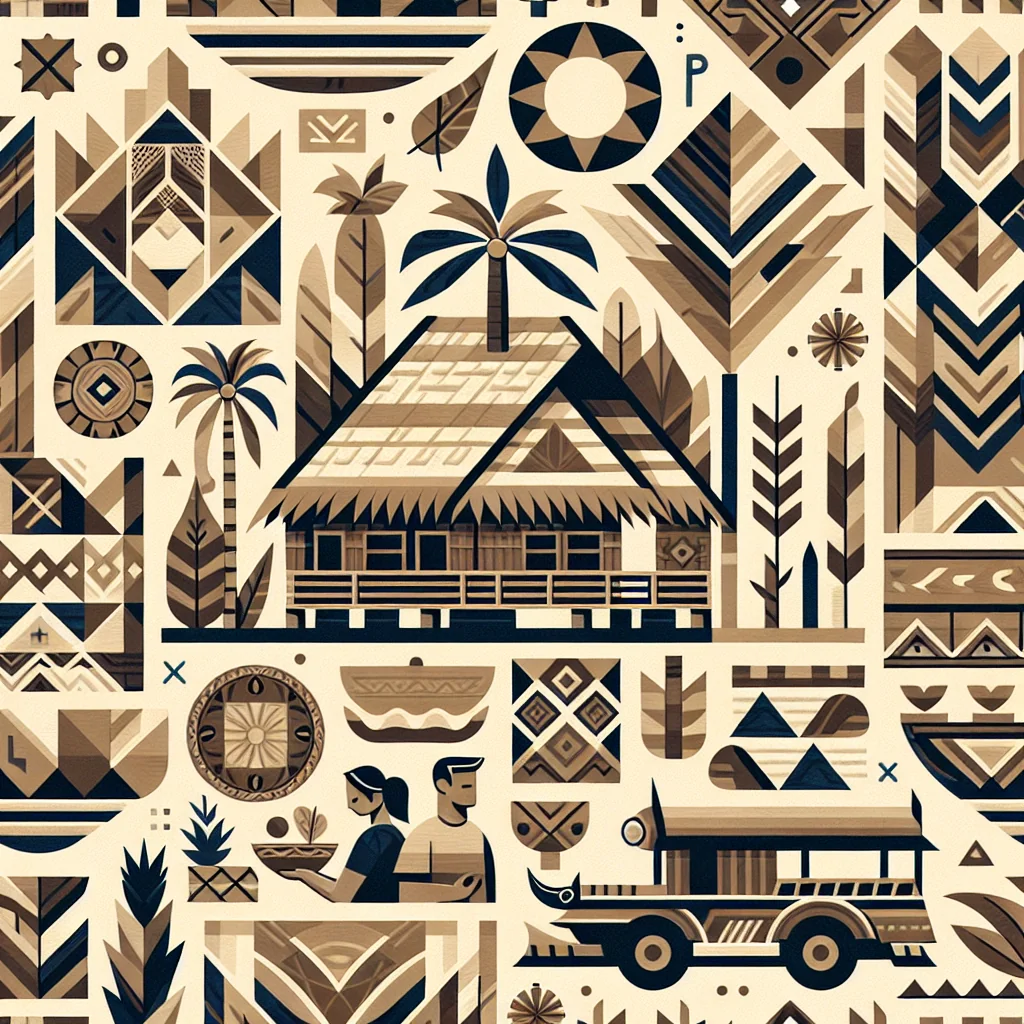
Symbols such as the 'sarimanok' (mythical bird) and traditional boat designs are prominent in Iranun art.
What Brings Joy
Community gatherings, music, and storytelling are sources of joy, fostering a sense of belonging and cultural pride.
Celebrations Joyful Traditions
Festivals such as Eid al-Fitr and local harvest celebrations are marked by communal feasts and cultural performances.
Cultural Calendar And Holidays
The Iranun observe Islamic holidays and local festivals, which are central to their cultural calendar.
Additional Notes
Efforts to preserve and promote Iranun cultural expressions are ongoing, with community-led initiatives playing a key role.
Economic Context And Occupations
The Iranun are traditionally engaged in fishing, agriculture, and trade. Modern occupations include education and public service.
Housing And Living Arrangements
Housing varies from traditional stilt houses to modern structures, reflecting economic changes and urban influences.
Nutrition And Dietary Norms
Diet is influenced by local produce and Islamic dietary laws, with rice, fish, and tropical fruits being staples.
Interpretation Needs
Interpretation services are needed for Iranun speakers in healthcare and legal settings, especially in non-Iranun regions.
Interpreter Notes
Interpreters should be familiar with cultural nuances and religious contexts to effectively communicate with Iranun speakers.
Documentation Traditions
Oral traditions are strong, with storytelling and oral history being key methods of cultural transmission.
Interactions With Other Cultures
The Iranun have historically interacted with neighboring cultures through trade and alliances, fostering mutual influence.
Conflict Resolution Mechanisms
Traditional conflict resolution involves community elders and religious leaders, emphasizing dialogue and reconciliation.
Cultural Exchange Programs
Cultural exchange initiatives focus on promoting Iranun arts and traditions within the broader Southeast Asian context.
Trade Relations
Historically, the Iranun were active in regional trade, exchanging goods with neighboring cultures and beyond.
Shared Artistic Projects
Collaborative projects often involve shared musical and artistic expressions, highlighting common cultural themes.
Intercultural Marriages
Intercultural marriages are common, reflecting historical interactions and shared cultural values.
Shared Educational Initiatives
Educational programs often include cultural exchanges and language learning to promote mutual understanding.
Youth Perspectives
Iranun youth are increasingly engaged in cultural preservation and modernization efforts, balancing tradition with contemporary influences.
Education Initiatives
Programs focus on integrating traditional knowledge with modern education, emphasizing cultural pride and identity.
Future Challenges
Challenges include cultural preservation amid globalization and economic pressures, requiring adaptive strategies.
Youth Employment Trends
Youth are diversifying into various sectors, including technology and education, while maintaining traditional livelihoods.
Future Visions
The Iranun envision a future where cultural heritage is preserved and integrated with modern advancements.
Youth Leadership Roles
Youth are taking on leadership roles in cultural and community initiatives, driving innovation and change.
Innovation And Startups
There is a growing interest in startups that blend traditional crafts with modern markets, promoting sustainable economic development.
Festivals And Celebrations
Festivals are vibrant, featuring traditional music, dance, and communal feasting, reflecting cultural and religious significance.
Traditional Medicine Practices
Herbal remedies and spiritual healing are integral, with knowledge passed down through generations.
Environmental Practices
Sustainable fishing and agriculture practices are traditional, emphasizing harmony with nature.
Rituals
Rituals often mark life events and seasonal changes, incorporating Islamic and indigenous elements.
Rites Of Passage
Rites of passage, such as weddings and coming-of-age ceremonies, are celebrated with community involvement and traditional customs.
Culinary Traditions
Cuisine features a blend of local ingredients and Islamic dietary laws, with dishes like 'tinagtag' and 'palapa' being popular.
Climate Adaptation Strategies
Communities are adapting traditional practices to address climate change impacts, focusing on resilience and sustainability.
Biodiversity Conservation
Efforts to conserve local biodiversity are linked to traditional ecological knowledge and community stewardship.
Sustainable Tourism Practices
Tourism initiatives aim to showcase Iranun culture while promoting environmental sustainability and community benefits.
Renewable Energy Use
There is growing interest in renewable energy solutions to support sustainable development in Iranun communities.
Community Involvement In Practices
Community participation is central to cultural and environmental practices, ensuring collective responsibility and benefits.
Environmental Education Programs
Programs focus on educating youth about traditional ecological knowledge and modern environmental challenges.
Notable Figures
Prominent Iranun figures include leaders and scholars who have contributed to cultural preservation and regional politics.
Cultural Innovations
Innovations include the development of unique maritime technologies and artistic expressions.
Literary Works
Oral literature, including epic tales and poetry, is a rich aspect of Iranun cultural heritage.
Architectural Styles
Traditional architecture features stilt houses and intricately designed boats, reflecting maritime influences.
Scientific Contributions
Contributions to navigation and maritime sciences are notable, with traditional knowledge informing modern practices.
Culinary Innovations
Iranun cuisine incorporates innovative uses of local ingredients, blending traditional and modern culinary techniques.
Global Influence
The Iranun have influenced regional trade and cultural exchanges, contributing to the broader Austronesian cultural landscape.
Awards And Recognition
Recognition for cultural preservation efforts and contributions to regional arts and sciences is ongoing.
Modern Influences
Modern influences include technology and media, which are integrated with traditional practices to enhance cultural expression.
Digital Presence
Iranun culture is increasingly represented online, with digital platforms used for cultural promotion and education.
Globalization Effects
Globalization presents both challenges and opportunities, with efforts to balance cultural preservation and modern integration.
Urbanization Effects
Urbanization is influencing lifestyle changes, with a shift towards modern housing and employment while maintaining cultural roots.
Technology Adoption
Technology is being adopted in education and communication, facilitating cultural exchange and preservation.
Hybrid Cultural Forms
Hybrid forms of cultural expression are emerging, blending traditional and contemporary elements in art and music.
Social Media Presence
Social media is a tool for cultural advocacy and community building, connecting Iranun people globally.
Challenges
Challenges include cultural erosion, economic pressures, and environmental changes, requiring adaptive strategies and community resilience.
Preservation Efforts
Preservation efforts focus on documenting oral traditions, promoting cultural education, and supporting community-led initiatives.
Cultural Artwork
Community Discussion
Further Reading
Explore credible external sources to deepen your understanding of Iranun culture.