
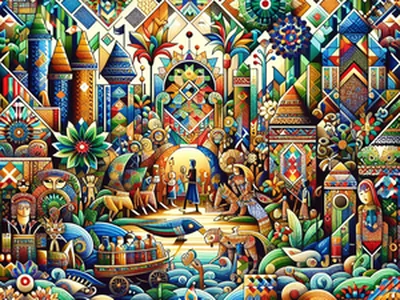
Indonesian
Southeast Asia Indonesian (Bahasa Indonesia)JavaneseSundaneseMadurese
Indonesian culture is a rich tapestry of diverse ethnic groups, languages, and traditions, shaped by centuries of trade, migration, and colonial influence.
Historical Context
Indonesia's history is marked by the rise and fall of powerful kingdoms, colonial rule by the Dutch, and its struggle for independence in the 20th century.
Migration Patterns
Historical migration from India, China, and the Middle East has significantly influenced Indonesian culture, especially in trade and religion.
Conflict And Resilience History
Indonesia has experienced periods of conflict, including the struggle for independence and regional separatist movements, but has shown resilience through unity and diversity.
Diaspora Perspectives
The Indonesian diaspora maintains cultural ties through community organizations and cultural events, contributing to a global understanding of Indonesian culture.
Regional Variations
Cultural practices vary significantly across regions, with distinct traditions in Java, Sumatra, Bali, and Papua.
Bridging Notes
Efforts to bridge cultural differences focus on promoting national unity while respecting regional diversity.
Spiritual And Religious Practices
Indonesia is predominantly Muslim, but Hinduism, Buddhism, and Christianity are also practiced, with traditional animist beliefs still present in some areas.
Beliefs And Worldview
Indonesian worldview is influenced by a blend of religious teachings and local traditions, emphasizing harmony, community, and respect for nature.
Cultural Proverbs Sayings
Proverbs such as 'Bersatu kita teguh, bercerai kita runtuh' (United we stand, divided we fall) reflect the value placed on unity and cooperation.
Naming Conventions And Terms Of Address
Naming conventions vary, with some ethnic groups using single names, while others use family names. Titles and terms of respect are important in addressing others.
Health And Mental Health
Traditional medicine coexists with modern healthcare, with practices like Jamu (herbal medicine) being popular.
Mental Health Views
Mental health is often stigmatized, but awareness is growing, with increased efforts to provide support and education.
Traditional Healers
Dukuns (traditional healers) play a significant role in rural areas, offering herbal remedies and spiritual healing.
Gender Roles In Healthcare
Women often manage family health, but gender roles can affect access to healthcare services.
Healthcare Barriers
Barriers include geographic isolation, economic constraints, and limited access to healthcare facilities in remote areas.
Education And Learning Styles
Education is highly valued, with a focus on rote learning and respect for teachers. There is a growing emphasis on critical thinking and creativity.
Learning Styles
Learning often involves memorization and repetition, but interactive and experiential methods are becoming more common.
Parental Engagement
Parents are actively involved in their children's education, often prioritizing academic success and moral development.
Family And Social Structure
Family is central to Indonesian society, with extended families often living together and elders respected as authority figures.
Discipline And Behavior
Discipline is typically gentle, with an emphasis on teaching respect and responsibility through example and guidance.
Authority Attitudes
Respect for authority is deeply ingrained, with deference shown to elders, teachers, and community leaders.
Etiquette And Customs
Politeness and humility are valued, with customs such as removing shoes before entering a home and using the right hand for giving and receiving.
Community Strengths Resilience
Communities are resilient, often coming together to support each other in times of need, with a strong sense of gotong royong (mutual cooperation).
Art Music And Expression
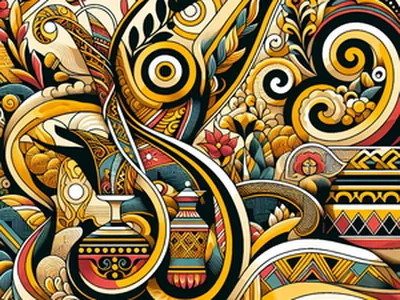
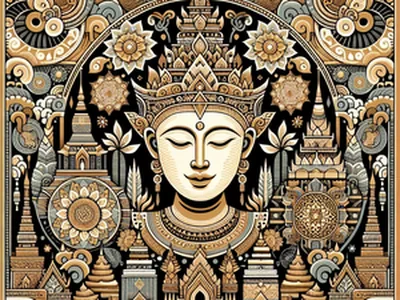
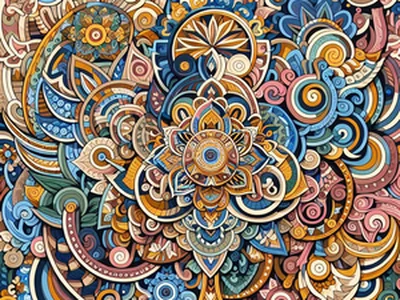
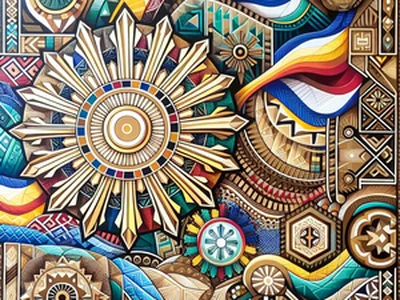
Indonesia is known for its diverse art forms, including batik, wayang (shadow puppetry), gamelan music, and traditional dances like the Balinese Legong.
Cultural Symbols Motifs
Symbols such as the Garuda (mythical bird) and motifs like the parang (knife) in batik represent cultural identity and heritage.
What Brings Joy
Joy is found in communal activities, festivals, and family gatherings, with food and music playing central roles.
Celebrations Joyful Traditions
Festivals like Idul Fitri, Nyepi, and Galungan are celebrated with rituals, feasts, and community gatherings.
Cultural Calendar And Holidays
The cultural calendar includes religious holidays, national celebrations like Independence Day, and regional festivals.
Additional Notes
Indonesian culture is characterized by its adaptability and openness to new influences while maintaining core traditions.
Economic Context And Occupations
The economy is diverse, with agriculture, manufacturing, and services being major sectors. Many Indonesians work in informal sectors.
Housing And Living Arrangements
Housing varies from modern urban apartments to traditional rural homes, often reflecting regional architectural styles.
Nutrition And Dietary Norms
Rice is a staple food, accompanied by dishes rich in spices and flavors, with regional variations in diet.
Interpretation Needs
Interpretation services are needed for non-Indonesian speakers, especially in legal and healthcare settings.
Interpreter Notes
Interpreters should be aware of regional dialects and cultural nuances to ensure effective communication.
Documentation Traditions
Oral traditions are strong, but written documentation is increasingly important, especially in education and governance.
Interactions With Other Cultures
Indonesia has a long history of cultural exchange through trade and migration, influencing and being influenced by other cultures.
Conflict Resolution Mechanisms
Traditional mechanisms like musyawarah (deliberation) and mufakat (consensus) are used to resolve conflicts.
Cultural Exchange Programs
Programs exist to promote cultural exchange, especially with neighboring Southeast Asian countries.
Trade Relations
Indonesia has strong trade relations with countries in Asia, Europe, and the Americas, impacting cultural exchanges.
Shared Artistic Projects
Collaborations in art and music are common, reflecting shared cultural themes and expressions.
Intercultural Marriages
Intercultural marriages are increasingly common, contributing to cultural blending and understanding.
Shared Educational Initiatives
Educational initiatives often involve cultural exchanges and collaborations with international institutions.
Youth Perspectives
Indonesian youth are increasingly global-minded, valuing education and technology while maintaining cultural roots.
Education Initiatives
Initiatives focus on improving access to education, promoting STEM fields, and encouraging critical thinking.
Future Challenges
Challenges include balancing modernization with cultural preservation and addressing economic disparities.
Youth Employment Trends
Trends show a shift towards technology and service sectors, with entrepreneurship on the rise.
Future Visions
The future vision includes sustainable development, technological advancement, and cultural preservation.
Youth Leadership Roles
Youth are taking on leadership roles in social movements, environmental advocacy, and entrepreneurship.
Innovation And Startups
Indonesia is experiencing growth in startups, particularly in technology and creative industries.
Festivals And Celebrations
Festivals like Idul Fitri and Nyepi are celebrated with community gatherings, rituals, and traditional performances.
Traditional Medicine Practices
Traditional medicine, including herbal remedies and spiritual healing, is widely practiced alongside modern healthcare.
Environmental Practices
Environmental practices include community-based conservation efforts and sustainable agriculture.
Rituals
Rituals are integral to life events, including births, marriages, and funerals, often involving community participation.
Rites Of Passage
Rites of passage, such as circumcision and coming-of-age ceremonies, are important cultural milestones.
Culinary Traditions
Indonesian cuisine is diverse, with dishes like nasi goreng and rendang reflecting regional flavors and ingredients.
Climate Adaptation Strategies
Strategies include traditional knowledge in agriculture and modern approaches to disaster risk reduction.
Biodiversity Conservation
Efforts focus on protecting Indonesia's rich biodiversity through national parks and community initiatives.
Sustainable Tourism Practices
Sustainable tourism is promoted to preserve cultural heritage and natural resources while benefiting local communities.
Renewable Energy Use
Indonesia is investing in renewable energy sources, including geothermal and solar power, to reduce reliance on fossil fuels.
Community Involvement In Practices
Communities actively participate in environmental conservation and cultural preservation efforts.
Environmental Education Programs
Programs aim to raise awareness about environmental issues and promote sustainable practices among youth.
Notable Figures
Figures like Sukarno, R.A. Kartini, and Pramoedya Ananta Toer have made significant contributions to Indonesian culture and history.
Cultural Innovations
Innovations include the development of batik as a global art form and the integration of traditional music with modern genres.
Literary Works
Indonesian literature includes works by authors like Pramoedya Ananta Toer and Ayu Utami, reflecting social and cultural themes.
Architectural Styles
Traditional styles like the Javanese joglo and Balinese temple architecture are iconic, blending with modern influences in urban areas.
Scientific Contributions
Contributions in fields like biodiversity research and volcanic studies are notable, given Indonesia's unique geography.
Culinary Innovations
Culinary innovations include fusion dishes that blend traditional flavors with international cuisines.
Global Influence
Indonesia's cultural influence is seen in global music, fashion, and cuisine, with batik and gamelan gaining international recognition.
Awards And Recognition
Indonesian artists and cultural figures have received international awards, highlighting the country's rich cultural heritage.
Modern Influences
Modern influences include global fashion trends, digital technology, and international media.
Digital Presence
Indonesia has a strong digital presence, with high social media engagement and a growing tech industry.
Globalization Effects
Globalization has led to cultural blending and increased exposure to international trends, impacting lifestyle and consumption patterns.
Urbanization Effects
Urbanization is transforming traditional lifestyles, with challenges in maintaining cultural practices in urban settings.
Technology Adoption
Technology adoption is widespread, with innovations in e-commerce, fintech, and digital communication.
Hybrid Cultural Forms
Hybrid cultural forms emerge as traditional and modern elements blend, seen in music, fashion, and art.
Social Media Presence
Social media is a powerful tool for cultural expression and connection, with platforms like Instagram and TikTok popular among Indonesians.
Challenges
Challenges include preserving cultural heritage amid modernization, addressing economic disparities, and managing environmental sustainability.
Preservation Efforts
Efforts focus on documenting traditional practices, promoting cultural education, and supporting local artisans.
Cultural Artwork
Community Discussion
Further Reading
Explore credible external sources to deepen your understanding of Indonesian culture.