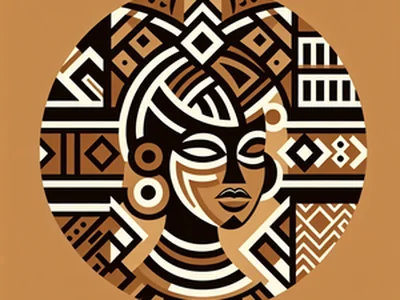


Guinea Bissauan
West Africa PortugueseCriouloFulaBalanta
The Guinea-Bissauan culture is a rich tapestry of ethnic diversity, historical influences, and vibrant traditions, reflecting the country's unique position in West Africa.
Historical Context
Guinea-Bissau has a history marked by Portuguese colonization, a struggle for independence, and a series of political changes. The country gained independence in 1973 after a protracted liberation war.
Migration Patterns
Historically, there have been migrations due to colonial labor demands, internal conflicts, and economic opportunities in neighboring countries.
Conflict And Resilience History
The country has experienced political instability and civil conflict, but the resilience of its people is evident in their strong community ties and cultural expressions.
Diaspora Perspectives
The Guinea-Bissauan diaspora is spread across Portugal, other European countries, and West Africa, maintaining cultural ties through music, cuisine, and community gatherings.
Regional Variations
Cultural practices vary significantly between ethnic groups, such as the Fula, Balanta, and Mandinka, each with distinct languages, traditions, and social structures.
Bridging Notes
Efforts to bridge cultural differences focus on promoting national unity and celebrating ethnic diversity through festivals and national events.
Spiritual And Religious Practices
Guinea-Bissau is religiously diverse, with Islam, Christianity, and indigenous beliefs coexisting. Traditional practices often involve ancestor worship and nature-based rituals.
Beliefs And Worldview
Community and family are central to the Guinea-Bissauan worldview, with a strong emphasis on social harmony and respect for elders.
Cultural Proverbs Sayings
Proverbs often reflect the importance of community, wisdom, and resilience, such as 'Unity is strength' and 'A tree cannot make a forest.'
Naming Conventions And Terms Of Address
Naming conventions often reflect ethnic heritage, with names carrying significant cultural and familial meanings. Respectful terms of address are important in social interactions.
Health And Mental Health
Traditional medicine plays a significant role alongside modern healthcare. Mental health is often addressed within the community or family context.
Mental Health Views
Mental health issues may be stigmatized, with traditional beliefs attributing them to spiritual causes. Community support is crucial for mental well-being.
Traditional Healers
Traditional healers, known as 'curandeiros,' are respected for their knowledge of herbal medicine and spiritual healing practices.
Gender Roles In Healthcare
Women often play a key role in family health decisions, though access to healthcare can be limited by economic and social factors.
Healthcare Barriers
Barriers include limited access to healthcare facilities, economic constraints, and cultural beliefs that may prioritize traditional medicine.
Education And Learning Styles
Education is valued, but access can be limited in rural areas. Learning often involves oral traditions and community participation.
Learning Styles
Learning is often communal, with an emphasis on storytelling, practical skills, and observation.
Parental Engagement
Parents are actively involved in their children's education, often prioritizing it despite economic challenges.
Family And Social Structure
Extended families are common, with strong kinship ties and communal living arrangements. Elders hold significant authority and respect.
Discipline And Behavior
Discipline is often community-based, with an emphasis on teaching respect and responsibility through example and storytelling.
Authority Attitudes
Respect for elders and community leaders is paramount, with decisions often made collectively.
Etiquette And Customs
Greetings are important, often involving handshakes and inquiries about family. Hospitality is a key cultural value.
Community Strengths Resilience
Communities are resilient, relying on strong social networks and cultural traditions to support each other in times of need.
Art Music And Expression
Music and dance are integral to cultural expression, with genres like 'gumbe' and 'kussundé' being popular. Art often includes intricate weaving and carving.
Cultural Symbols Motifs
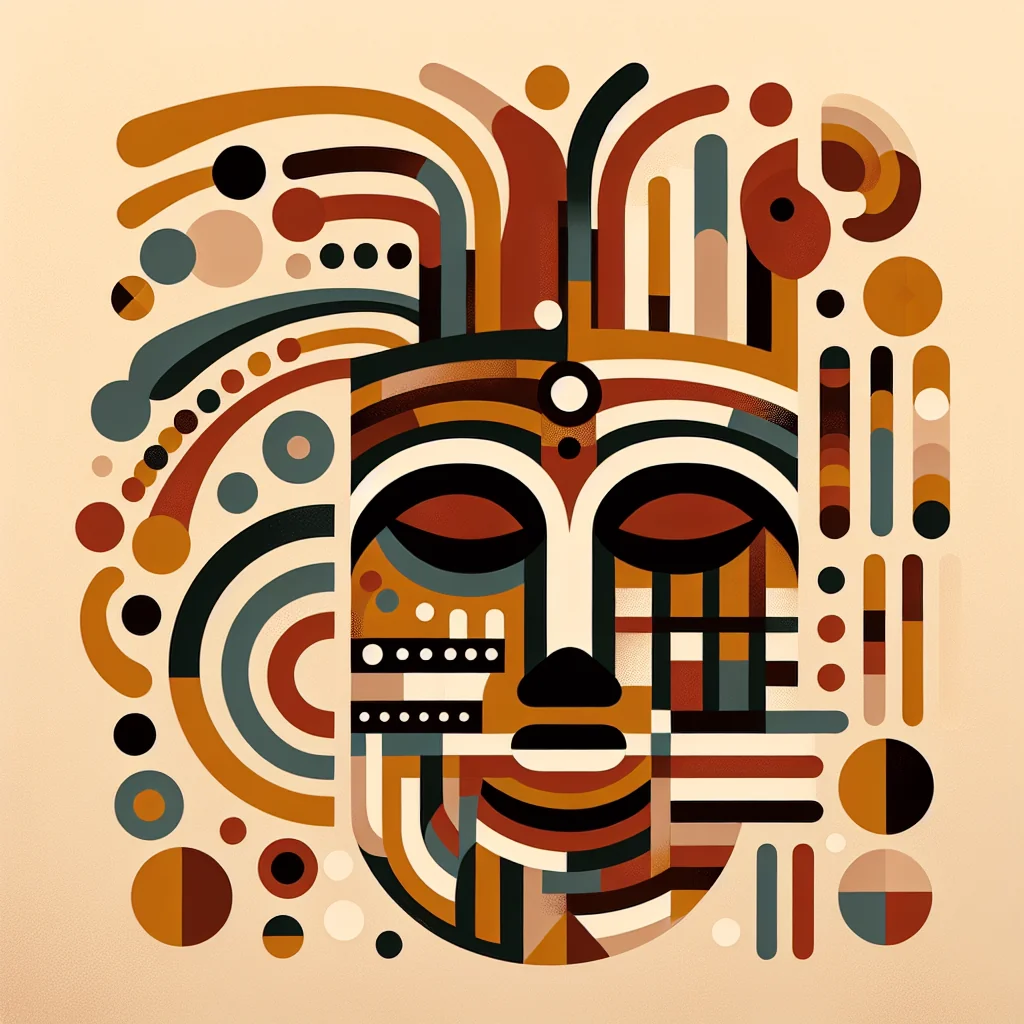
Symbols such as the 'djemberem' drum and traditional masks are significant in cultural ceremonies and storytelling.
What Brings Joy
Music, dance, and communal gatherings bring joy, serving as a means of expression and social cohesion.
Celebrations Joyful Traditions
Festivals like 'Carnaval' and 'Tabaski' are celebrated with vibrant music, dance, and communal feasts.
Cultural Calendar And Holidays
Key holidays include Independence Day, religious festivals, and traditional harvest celebrations.
Additional Notes
Cultural expression is a vital part of identity, with creativity often used to address social issues and promote unity.
Economic Context And Occupations
The economy is primarily agricultural, with cashew nuts being a major export. Fishing and small-scale trade are also common occupations.
Housing And Living Arrangements
Housing varies from urban apartments to rural compounds, often reflecting communal living and extended family structures.
Nutrition And Dietary Norms
Diet is based on rice, fish, and local produce, with meals often shared communally. Traditional dishes include 'jollof rice' and 'caldo de peixe.'
Interpretation Needs
Interpretation services are often needed for non-Portuguese speakers, especially in healthcare and legal settings.
Interpreter Notes
Interpreters should be culturally sensitive and aware of the nuances in dialects and local languages.
Documentation Traditions
Oral traditions are strong, with storytelling and verbal agreements often taking precedence over written documentation.
Interactions With Other Cultures
Guinea-Bissau has historical ties with Portugal and neighboring West African countries, fostering cultural exchanges and trade.
Conflict Resolution Mechanisms
Traditional conflict resolution involves community elders and dialogue, emphasizing reconciliation and social harmony.
Cultural Exchange Programs
Cultural exchange programs with Portugal and other Lusophone countries promote mutual understanding and cultural preservation.
Trade Relations
Trade is primarily with neighboring countries and Portugal, focusing on agricultural products and seafood.
Shared Artistic Projects
Collaborations in music and art with other West African countries are common, highlighting shared cultural themes.
Intercultural Marriages
Intercultural marriages are seen as a means of strengthening community ties and promoting cultural diversity.
Shared Educational Initiatives
Educational initiatives often involve partnerships with international organizations to improve access and quality of education.
Youth Perspectives
Youth are increasingly engaged in social change, using technology and social media to advocate for their rights and opportunities.
Education Initiatives
Efforts focus on improving access to education, particularly for girls, and integrating technology into learning.
Future Challenges
Challenges include political instability, economic opportunities, and access to quality education and healthcare.
Youth Employment Trends
Youth employment is concentrated in agriculture, informal trade, and increasingly in digital and creative industries.
Future Visions
There is a strong desire for political stability, economic growth, and improved living standards, with youth playing a key role in shaping the future.
Youth Leadership Roles
Youth are taking on leadership roles in community organizations and social movements, advocating for change and innovation.
Innovation And Startups
There is a growing interest in entrepreneurship, with startups focusing on technology, agriculture, and sustainable practices.
Festivals And Celebrations
Festivals are vibrant, with music, dance, and traditional attire playing central roles. They often mark significant cultural and religious events.
Traditional Medicine Practices
Herbal medicine and spiritual healing are common, with traditional healers playing a key role in community health.
Environmental Practices
Communities engage in sustainable agriculture and fishing practices, often guided by traditional ecological knowledge.
Rituals
Rituals often involve music, dance, and offerings to ancestors or spirits, reflecting a deep connection to the spiritual world.
Rites Of Passage
Rites of passage, such as initiation ceremonies, are important for marking transitions in life stages, particularly for youth.
Culinary Traditions
Cuisine is diverse, with influences from Portuguese and West African cooking, emphasizing communal meals and local ingredients.
Climate Adaptation Strategies
Communities are adapting to climate change through traditional practices and modern innovations, focusing on resilience and sustainability.
Biodiversity Conservation
Efforts are made to conserve biodiversity through community-led initiatives and partnerships with environmental organizations.
Sustainable Tourism Practices
Tourism is being developed sustainably, with a focus on cultural heritage and natural beauty, benefiting local communities.
Renewable Energy Use
There is growing interest in renewable energy, particularly solar power, to address energy needs and environmental concerns.
Community Involvement In Practices
Community involvement is central to environmental and cultural practices, ensuring that initiatives are locally driven and culturally appropriate.
Environmental Education Programs
Programs focus on educating youth about environmental conservation and sustainable practices, often integrating traditional knowledge.
Notable Figures
Amílcar Cabral, a key figure in the independence movement, is celebrated for his leadership and vision for Guinea-Bissau.
Cultural Innovations
Guinea-Bissauan music and dance have influenced West African cultural expressions, with genres like 'gumbe' gaining international recognition.
Literary Works
Literature often explores themes of identity, colonial history, and social change, with writers contributing to Lusophone African literature.
Architectural Styles
Traditional architecture includes round huts with thatched roofs, reflecting practical and aesthetic considerations.
Scientific Contributions
Contributions are emerging in fields like agriculture and environmental science, focusing on sustainable practices.
Culinary Innovations
The fusion of Portuguese and African culinary traditions has led to unique dishes that are celebrated for their flavors and cultural significance.
Global Influence
Guinea-Bissauan culture has influenced Lusophone countries and West Africa, particularly through music and dance.
Awards And Recognition
Cultural figures have received recognition for their contributions to music, literature, and social change, both locally and internationally.
Modern Influences
Globalization and technology are influencing cultural practices, with youth adopting new forms of expression and communication.
Digital Presence
Social media and digital platforms are increasingly used for cultural expression, activism, and connecting with the diaspora.
Globalization Effects
Globalization has brought both opportunities and challenges, influencing economic practices and cultural identity.
Urbanization Effects
Urbanization is changing social structures and lifestyles, with a shift towards more individualistic living in cities.
Technology Adoption
Technology is being adopted in education, agriculture, and communication, driving innovation and connectivity.
Hybrid Cultural Forms
Hybrid cultural forms are emerging, blending traditional and modern elements in music, fashion, and art.
Social Media Presence
Social media is a powerful tool for cultural expression and community building, particularly among the youth.
Challenges
Challenges include preserving cultural heritage amidst globalization, political instability, and economic constraints.
Preservation Efforts
Efforts are being made to document and promote traditional practices, languages, and arts, often involving community and international partnerships.
Cultural Artwork
Community Discussion
Further Reading
Explore credible external sources to deepen your understanding of Guinea Bissauan culture.