
Greek
Southern Europe Greek
Greek culture is rich in history, philosophy, art, and traditions, deeply influencing Western civilization.
Historical Context
Greek culture has its roots in the ancient civilization of Greece, known for its contributions to philosophy, democracy, and the arts. The Hellenistic period spread Greek culture across the Mediterranean and Near East. Modern Greek culture has evolved through Byzantine, Ottoman, and modern European influences.
Migration Patterns
Throughout history, Greeks have migrated due to trade, conquest, and economic opportunities, establishing communities across the Mediterranean, Black Sea, and beyond. The 20th century saw significant Greek migration to the Americas, Australia, and Western Europe.
Conflict And Resilience History
Greece has a history of conflict and resilience, from the Persian Wars to the Ottoman occupation, and more recently, economic challenges.
Diaspora Perspectives
The Greek diaspora is widespread, with significant communities in the United States, Australia, and Canada, maintaining strong cultural ties to Greece.
Regional Variations
Greece has diverse regional cultures, such as the distinct traditions of Crete, the Ionian Islands, and Macedonia.
Bridging Notes
Greek culture has served as a bridge between Eastern and Western traditions, influencing both through trade and cultural exchange.
Spiritual And Religious Practices
Greek Orthodox Christianity is the predominant religion, with practices including church attendance, fasting, and celebrating religious festivals.
Beliefs And Worldview
Greek culture emphasizes family, community, and hospitality, with a strong sense of pride in heritage and history.
Cultural Proverbs Sayings
Common sayings include 'It's all Greek to me' and 'The apple doesn't fall far from the tree,' reflecting wisdom and cultural identity.
Naming Conventions And Terms Of Address
Names often reflect religious significance, with many named after saints. Formal address includes titles like 'Kyrie' (Mr.) and 'Kyria' (Mrs.).
Health And Mental Health
The Mediterranean diet is a cornerstone of Greek health practices, emphasizing fresh produce, olive oil, and seafood. Mental health is gaining more attention, with increasing awareness and resources.
Mental Health Views
Mental health in Greek culture is traditionally approached with some stigma, but awareness and acceptance are growing. Family support is crucial, and there is a strong emphasis on maintaining mental well-being through social connections and community.
Traditional Healers
In rural areas, traditional healers and remedies are sometimes used alongside modern medicine. Practices may include herbal treatments and spiritual healing methods passed down through generations.
Gender Roles In Healthcare
Traditionally, women are primary caregivers, but both genders are increasingly involved in healthcare decisions.
Healthcare Barriers
Barriers to healthcare in Greece can include economic challenges, especially during financial crises, and regional disparities in access to medical facilities. Language can be a barrier for immigrants and refugees.
Education And Learning Styles
Education is highly valued, with a strong emphasis on classical studies, critical thinking, and debate.
Learning Styles
Greek education emphasizes memorization and critical thinking. There is a strong focus on classical studies, mathematics, and sciences, reflecting the historical value placed on intellectual achievement.
Parental Engagement
Parents are actively involved in their children's education, often participating in school activities and encouraging academic achievement.
Family And Social Structure
Family is central to Greek life, often extending to include grandparents and other relatives in close-knit communities.
Discipline And Behavior
Discipline is generally firm but loving, with an emphasis on respect for elders and authority.
Authority Attitudes
Respect for authority is ingrained, though there is also a strong tradition of questioning and debate.
Etiquette And Customs
Hospitality is a key custom, with guests often offered food and drink as a sign of respect and friendship.
Community Strengths Resilience
Greek communities are known for their resilience, often coming together to support each other in times of need.
Art Music And Expression
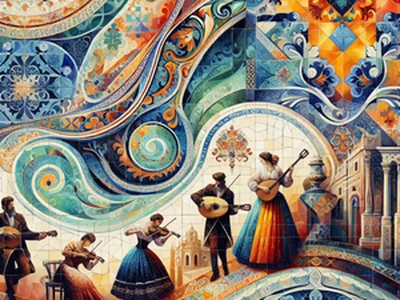
Greek art and music are vibrant, with traditional folk music and dance, as well as modern expressions in theater and film.
Cultural Symbols Motifs
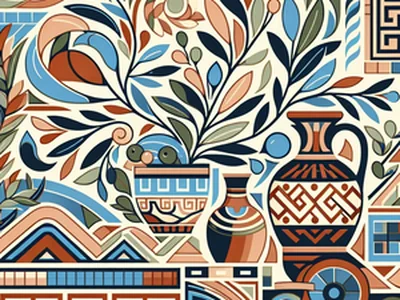
Symbols like the Greek key and the olive branch are prevalent, representing eternity and peace.
What Brings Joy
Family gatherings, festivals, and traditional music and dance bring joy to Greek people.
Celebrations Joyful Traditions
Joyful traditions include Easter celebrations, name days, and local festivals honoring saints.
Cultural Calendar And Holidays
Major holidays include Easter, Christmas, and Oxi Day, each celebrated with unique customs and traditions.
Additional Notes
Greek culture is renowned for its vibrant festivals, music, and dance, which are integral to community life. Traditional Greek music and dance, such as the syrtaki, are celebrated worldwide.
Economic Context And Occupations
Greece's economy is diverse, with significant sectors in tourism, shipping, and agriculture.
Housing And Living Arrangements
Many Greeks live in urban apartments, though rural areas often feature traditional homes.
Nutrition And Dietary Norms
The Mediterranean diet is prevalent, focusing on fresh, seasonal ingredients and balanced meals.
Interpretation Needs
Interpretation services are often required for Greek-speaking immigrants in non-Greek-speaking countries, particularly in legal and medical settings.
Interpreter Notes
Interpreters should be aware of regional dialects and the importance of formal address in Greek communication.
Documentation Traditions
Greek culture has a rich tradition of documentation, from ancient manuscripts to modern literature. Written records are highly valued, and there is a strong emphasis on preserving historical documents.
Interactions With Other Cultures
Greece has historically interacted with many cultures, influencing and being influenced by them, especially through trade and migration.
Conflict Resolution Mechanisms
Traditional methods include community mediation and dialogue, often involving elders or community leaders.
Cultural Exchange Programs
Greece participates in numerous cultural exchange programs, promoting its rich heritage and learning from others.
Trade Relations
Greece has strong trade relations within the EU and with countries around the Mediterranean.
Shared Artistic Projects
Collaborations in film, music, and art are common, reflecting Greece's openness to cultural exchange.
Intercultural Marriages
Intercultural marriages are increasingly common, reflecting Greece's integration into the global community.
Shared Educational Initiatives
Greece is involved in educational initiatives with other countries, focusing on classical studies and modern innovations.
Youth Perspectives
Greek youth are increasingly global in outlook, valuing education and technology while maintaining cultural traditions.
Education Initiatives
Programs focus on STEM education and preserving Greek language and culture.
Future Challenges
Challenges include economic stability, youth unemployment, and balancing tradition with modernity.
Youth Employment Trends
Many young Greeks seek opportunities abroad due to limited local job prospects, though entrepreneurship is growing.
Future Visions
There is a strong vision for a Greece that balances tradition with innovation, fostering a sustainable future.
Youth Leadership Roles
Youth are increasingly taking on leadership roles in community and cultural organizations.
Innovation And Startups
Greece has a burgeoning startup scene, particularly in technology and sustainable development.
Festivals And Celebrations
Festivals like Easter and the Athens Festival celebrate religious and cultural heritage with music, dance, and food.
Traditional Medicine Practices
Herbal remedies and traditional practices are still used, often alongside modern medicine.
Environmental Practices
Greece is focusing on sustainable practices, particularly in agriculture and tourism.
Rituals
Rituals often involve religious ceremonies, such as baptisms and weddings, deeply rooted in Orthodox traditions.
Rites Of Passage
Rites of passage include christenings, first communions, and weddings, marking significant life stages.
Culinary Traditions
Greek cuisine is renowned for its use of olive oil, fresh vegetables, and seafood, with dishes like moussaka and souvlaki.
Climate Adaptation Strategies
Efforts are underway to adapt to climate change, focusing on water conservation and renewable energy.
Biodiversity Conservation
Greece is home to diverse ecosystems, with efforts to protect its unique flora and fauna.
Sustainable Tourism Practices
Sustainable tourism is promoted, emphasizing cultural heritage and environmental conservation.
Renewable Energy Use
Greece is investing in renewable energy, particularly solar and wind power, to reduce reliance on fossil fuels.
Community Involvement In Practices
Communities are actively involved in environmental and cultural preservation efforts.
Environmental Education Programs
Programs aim to educate the public on sustainability and conservation, often involving schools and local organizations.
Notable Figures
Figures like Socrates, Plato, and Aristotle have shaped philosophy, while modern figures like Maria Callas and Mikis Theodorakis have influenced music and arts.
Cultural Innovations
Greek innovations include democracy, theater, and the Olympic Games.
Literary Works
Classical works by Homer and modern literature by authors like Nikos Kazantzakis are celebrated globally.
Architectural Styles
Greek architecture, from ancient temples to Byzantine churches, is renowned for its beauty and influence.
Scientific Contributions
Ancient Greeks made significant contributions to mathematics, astronomy, and medicine.
Culinary Innovations
Greek cuisine has introduced dishes like tzatziki and baklava to the world, emphasizing fresh ingredients and flavors.
Global Influence
Greek culture has profoundly influenced Western civilization, particularly in philosophy, art, and governance.
Awards And Recognition
Greece has received numerous accolades for its cultural heritage, including UNESCO World Heritage site designations.
Modern Influences
Modern Greek culture is influenced by globalization, with a blend of traditional and contemporary elements.
Digital Presence
Greece has a growing digital presence, with active participation in social media and digital innovation.
Globalization Effects
Globalization has brought both opportunities and challenges, impacting economy, culture, and lifestyle.
Urbanization Effects
Urbanization has led to changes in lifestyle and infrastructure, with a focus on modern living while preserving cultural sites.
Technology Adoption
Technology is widely adopted, with advancements in digital services and e-commerce.
Hybrid Cultural Forms
Hybrid cultural forms are emerging, blending traditional Greek elements with global influences.
Social Media Presence
Social media is popular, with platforms used for cultural promotion and social interaction.
Challenges
Challenges include economic recovery, preserving cultural heritage, and addressing social issues like migration.
Preservation Efforts
Efforts are ongoing to preserve cultural sites and traditions, supported by both government and community initiatives.
Cultural Artwork
Community Discussion
Further Reading
Explore credible external sources to deepen your understanding of Greek culture.