
Ghanaian Diaspora
Global EnglishTwiGaEwe
The Ghanaian diaspora refers to the communities of Ghanaians living outside their native country, maintaining cultural ties while adapting to new environments.
Historical Context
The Ghanaian diaspora began to form significantly during the late 20th century, driven by economic opportunities and political stability in host countries.
Migration Patterns
Migration patterns include movement to Europe and North America for education and employment, with recent trends showing increased return migration to Ghana.
Conflict And Resilience History
The diaspora has shown resilience in maintaining cultural identity despite challenges such as racial discrimination and cultural assimilation pressures.
Diaspora Perspectives
Members of the diaspora often view themselves as cultural ambassadors, balancing dual identities and contributing to both their host and home countries.
Regional Variations
Diaspora communities in different countries exhibit unique adaptations, such as varying levels of cultural retention and integration.
Bridging Notes
The diaspora acts as a bridge between Ghana and the world, facilitating cultural exchange and economic ties.
Spiritual And Religious Practices
Christianity is predominant, with significant Muslim and traditional spiritual practices. Churches and mosques serve as community hubs.
Beliefs And Worldview
Community and family are central, with a strong emphasis on respect for elders and communal support.
Cultural Proverbs Sayings
Proverbs play a significant role in communication, often used to convey wisdom and cultural values.
Naming Conventions And Terms Of Address
Names often reflect the day of birth and family heritage, with respect shown through titles and honorifics.
Health And Mental Health
Health practices blend Western medicine with traditional healing. Mental health is gaining recognition, though stigma remains.
Mental Health Views
Mental health issues are often viewed through a spiritual lens, with increasing awareness and acceptance of professional mental health services.
Traditional Healers
Traditional healers, known as 'herbalists' or 'fetish priests', are respected for their knowledge of herbal medicine and spiritual healing.
Gender Roles In Healthcare
Women often take primary responsibility for family health, though gender roles are evolving with increased education and employment.
Healthcare Barriers
Barriers include language differences, cultural misunderstandings, and access to culturally competent care.
Education And Learning Styles
Education is highly valued, with a focus on academic achievement and respect for teachers.
Learning Styles
Learning often emphasizes rote memorization and respect for authority, though interactive and critical thinking approaches are gaining traction.
Parental Engagement
Parents are actively involved in their children's education, often prioritizing educational opportunities abroad.
Family And Social Structure
Extended family networks are crucial, providing social support and maintaining cultural traditions.
Discipline And Behavior
Discipline is often strict, with an emphasis on respect and obedience to elders.
Authority Attitudes
Respect for authority figures is deeply ingrained, though younger generations may challenge traditional norms.
Etiquette And Customs
Etiquette emphasizes politeness, hospitality, and respect, with customs varying by region and context.
Community Strengths Resilience
Strong community bonds and resilience are evident in mutual support networks and cultural preservation efforts.
Art Music And Expression
Music and dance are integral, with genres like highlife and hiplife being popular. Art often reflects cultural heritage and contemporary issues.
Cultural Symbols Motifs
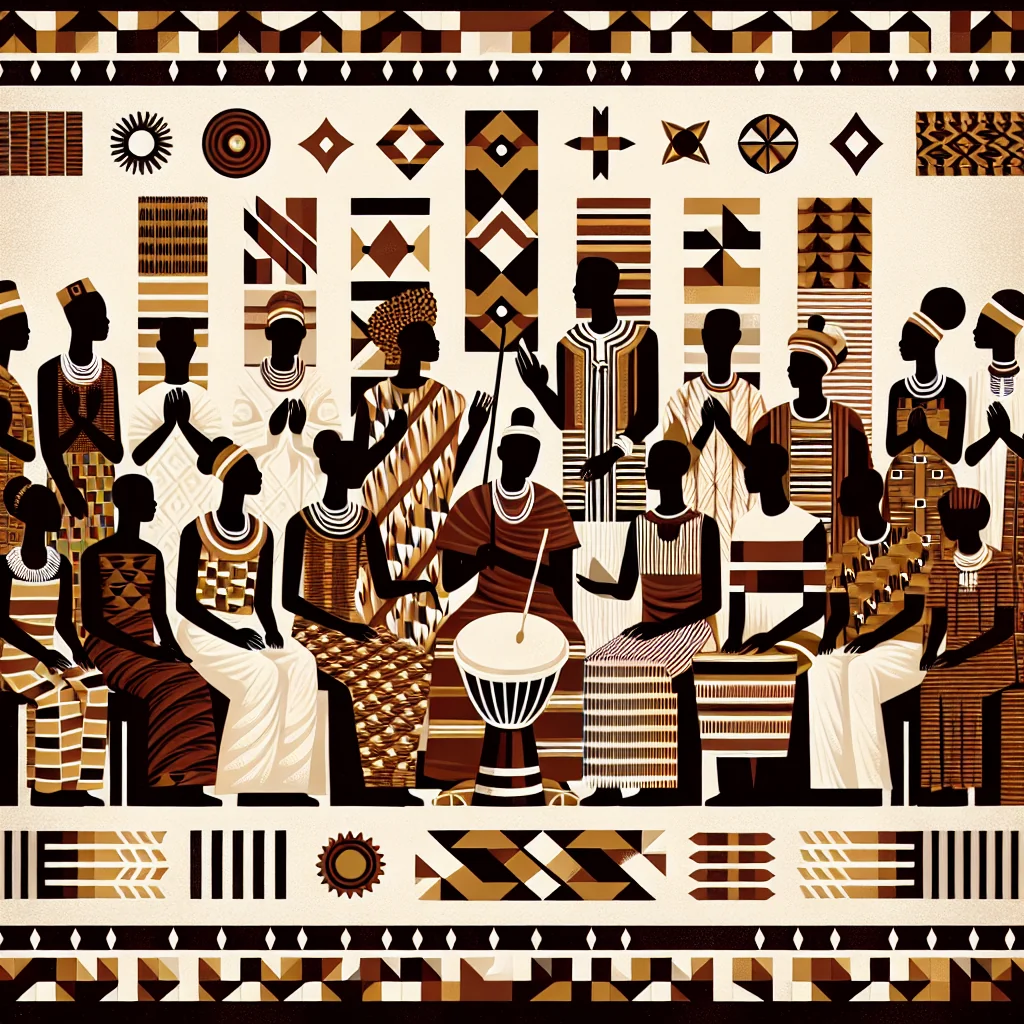
Symbols like the Adinkra and Kente patterns are significant, representing cultural values and identity.
What Brings Joy
Community gatherings, music, dance, and storytelling are sources of joy and cultural expression.
Celebrations Joyful Traditions
Festivals such as Homowo and Akwasidae are celebrated, showcasing cultural heritage and community spirit.
Cultural Calendar And Holidays
Key holidays include Independence Day, Christmas, and Eid, celebrated with both traditional and modern practices.
Additional Notes
The diaspora often adapts traditional celebrations to fit new cultural contexts, blending elements from host countries.
Economic Context And Occupations
Diaspora members often engage in diverse occupations, from professional roles to entrepreneurship, contributing significantly to both host and home economies.
Housing And Living Arrangements
Living arrangements vary, with many maintaining close family ties and communal living practices.
Nutrition And Dietary Norms
Traditional foods such as jollof rice and fufu are popular, with dietary practices adapting to local availability and health trends.
Interpretation Needs
Interpretation services are often needed for older generations and recent immigrants who may not be fluent in the host country's language.
Interpreter Notes
Interpreters should be culturally sensitive and aware of dialectical differences within Ghanaian languages.
Documentation Traditions
Oral traditions are strong, with storytelling and proverbs playing key roles in cultural transmission.
Interactions With Other Cultures
The Ghanaian diaspora engages in cultural exchange through festivals, educational programs, and community events.
Conflict Resolution Mechanisms
Conflict resolution often involves community elders and traditional practices, alongside modern legal systems.
Cultural Exchange Programs
Programs often focus on education, arts, and business, fostering mutual understanding and collaboration.
Trade Relations
Diaspora members often facilitate trade between Ghana and their host countries, promoting economic ties.
Shared Artistic Projects
Collaborations in music, film, and art are common, highlighting cultural fusion and innovation.
Intercultural Marriages
Intercultural marriages are increasingly common, reflecting broader social integration and cultural exchange.
Shared Educational Initiatives
Educational initiatives often focus on cultural heritage, language preservation, and academic exchange.
Youth Perspectives
Youth in the diaspora often navigate dual identities, balancing cultural heritage with modern influences.
Education Initiatives
Initiatives focus on STEM education, cultural heritage, and leadership development.
Future Challenges
Challenges include cultural preservation, identity negotiation, and economic opportunities.
Youth Employment Trends
Youth are increasingly involved in technology and entrepreneurship, driving innovation and economic growth.
Future Visions
The diaspora envisions a future of cultural preservation, economic empowerment, and global influence.
Youth Leadership Roles
Youth are taking on leadership roles in community organizations and advocacy groups, shaping future directions.
Innovation And Startups
Startups in technology, fashion, and food are emerging, blending traditional elements with modern innovation.
Festivals And Celebrations
Festivals like Chale Wote and Afrochella celebrate cultural heritage and contemporary creativity.
Traditional Medicine Practices
Herbal medicine and spiritual healing are practiced alongside Western medicine, reflecting a holistic approach to health.
Environmental Practices
Community gardens and sustainable farming practices are promoted within diaspora communities.
Rituals
Rituals often involve music, dance, and offerings, marking significant life events and cultural milestones.
Rites Of Passage
Rites such as naming ceremonies and puberty rites are adapted to diaspora contexts, maintaining cultural continuity.
Culinary Traditions
Culinary traditions are preserved through community events and restaurants, with adaptations to local ingredients.
Climate Adaptation Strategies
Diaspora communities engage in climate adaptation through education and sustainable practices.
Biodiversity Conservation
Efforts focus on preserving traditional plant species and promoting biodiversity through community initiatives.
Sustainable Tourism Practices
Tourism initiatives often highlight cultural heritage and environmental sustainability, attracting global interest.
Renewable Energy Use
Renewable energy projects are increasingly adopted, reflecting a commitment to sustainability.
Community Involvement In Practices
Community involvement is key in environmental and cultural practices, fostering collective responsibility.
Environmental Education Programs
Programs often focus on sustainable practices and environmental awareness, engaging youth and community members.
Notable Figures
Figures like Kofi Annan and Kwame Nkrumah are celebrated for their global impact and leadership.
Cultural Innovations
Innovations in music, fashion, and art reflect a blend of traditional and modern influences.
Literary Works
Authors like Ama Ata Aidoo and Chimamanda Ngozi Adichie explore themes of identity and diaspora experiences.
Architectural Styles
Architecture often blends traditional Ghanaian elements with modern design, reflecting cultural fusion.
Scientific Contributions
Diaspora members contribute to fields like medicine, technology, and engineering, driving innovation and progress.
Culinary Innovations
Fusion cuisine blends Ghanaian flavors with global influences, creating unique culinary experiences.
Global Influence
The diaspora's influence is seen in global music, fashion, and cultural movements, promoting Ghanaian culture worldwide.
Awards And Recognition
Diaspora members have received recognition in fields like literature, music, and science, highlighting their global impact.
Modern Influences
Modern influences include technology, global fashion trends, and contemporary music styles.
Digital Presence
The diaspora maintains a strong digital presence through social media, online communities, and digital storytelling.
Globalization Effects
Globalization has led to increased cultural exchange and hybrid cultural forms, blending traditional and modern elements.
Urbanization Effects
Urbanization influences lifestyle and cultural practices, with diaspora members often living in major cities.
Technology Adoption
Technology is widely adopted, facilitating communication, education, and cultural preservation.
Hybrid Cultural Forms
Hybrid forms emerge in music, fashion, and art, reflecting the blending of Ghanaian and global influences.
Social Media Presence
Social media platforms are used to connect diaspora members, share cultural content, and promote community events.
Challenges
Challenges include cultural preservation, identity negotiation, and addressing stereotypes and discrimination.
Preservation Efforts
Efforts focus on language preservation, cultural education, and community engagement to maintain cultural heritage.
Cultural Artwork
Community Discussion
Further Reading
Explore credible external sources to deepen your understanding of Ghanaian Diaspora culture.