
Ethiopian Diaspora
Global, with significant populations in the United States, Canada, the United Kingdom, and the Middle East. AmharicOromoTigrinyaEnglish
The Ethiopian diaspora refers to the communities of Ethiopian origin living outside their native country, maintaining a strong connection to their cultural heritage while adapting to new environments.
Historical Context
The Ethiopian diaspora began to form in significant numbers during the late 20th century, driven by political unrest, economic challenges, and educational opportunities abroad.
Migration Patterns
Major waves of migration occurred during the Derg regime in the 1970s and 1980s, with continued migration for educational and economic reasons.
Conflict And Resilience History
The diaspora has shown resilience in maintaining cultural identity despite challenges such as political instability in Ethiopia and integration issues in host countries.
Diaspora Perspectives
Members of the diaspora often view themselves as cultural ambassadors, balancing their Ethiopian heritage with their adopted cultures.
Regional Variations
Diaspora communities in North America tend to be more integrated into local cultures, while those in the Middle East often maintain closer ties to Ethiopian traditions.
Bridging Notes
Diaspora communities play a crucial role in bridging Ethiopian culture with global perspectives, often acting as mediators in cultural exchanges.
Spiritual And Religious Practices
The Ethiopian diaspora practices a variety of religions, with Ethiopian Orthodox Christianity being predominant, followed by Islam and Protestantism.
Beliefs And Worldview
The diaspora values community, family, and education, often emphasizing the importance of maintaining cultural traditions while adapting to new environments.
Cultural Proverbs Sayings
Proverbs such as 'When spider webs unite, they can tie up a lion' reflect the community's emphasis on unity and collective strength.
Naming Conventions And Terms Of Address
Naming conventions often include the use of the father's first name as a surname, and respectful terms of address are important in social interactions.
Health And Mental Health
Health practices often blend traditional Ethiopian medicine with modern healthcare, with a growing awareness of mental health issues.
Mental Health Views
Mental health is increasingly recognized, though stigma may still exist, with community support playing a key role in addressing mental health needs.
Traditional Healers
Traditional healers, known as 'Wogesha,' may be consulted alongside conventional medical practitioners.
Gender Roles In Healthcare
Gender roles can influence healthcare decisions, with women often being primary caregivers.
Healthcare Barriers
Barriers include language differences, cultural misunderstandings, and limited access to culturally competent care.
Education And Learning Styles
Education is highly valued, with a focus on academic achievement and the pursuit of higher education abroad.
Learning Styles
Learning often emphasizes rote memorization and respect for teachers, with a growing incorporation of interactive and critical thinking approaches.
Parental Engagement
Parents are actively involved in their children's education, often encouraging them to excel and pursue opportunities in higher education.
Family And Social Structure
Family is central to the Ethiopian diaspora, with extended family networks providing support and maintaining cultural traditions.
Discipline And Behavior
Discipline is often guided by respect for elders and community norms, with an emphasis on collective well-being.
Authority Attitudes
Respect for authority figures, such as elders and community leaders, is a key cultural value.
Etiquette And Customs
Customs include greetings with handshakes or kisses on the cheek, and hospitality is highly valued.
Community Strengths Resilience
The diaspora demonstrates resilience through strong community networks, cultural preservation, and adaptability to new environments.
Art Music And Expression
Ethiopian music, dance, and art are vibrant expressions of cultural identity, often featuring traditional instruments and motifs.
Cultural Symbols Motifs
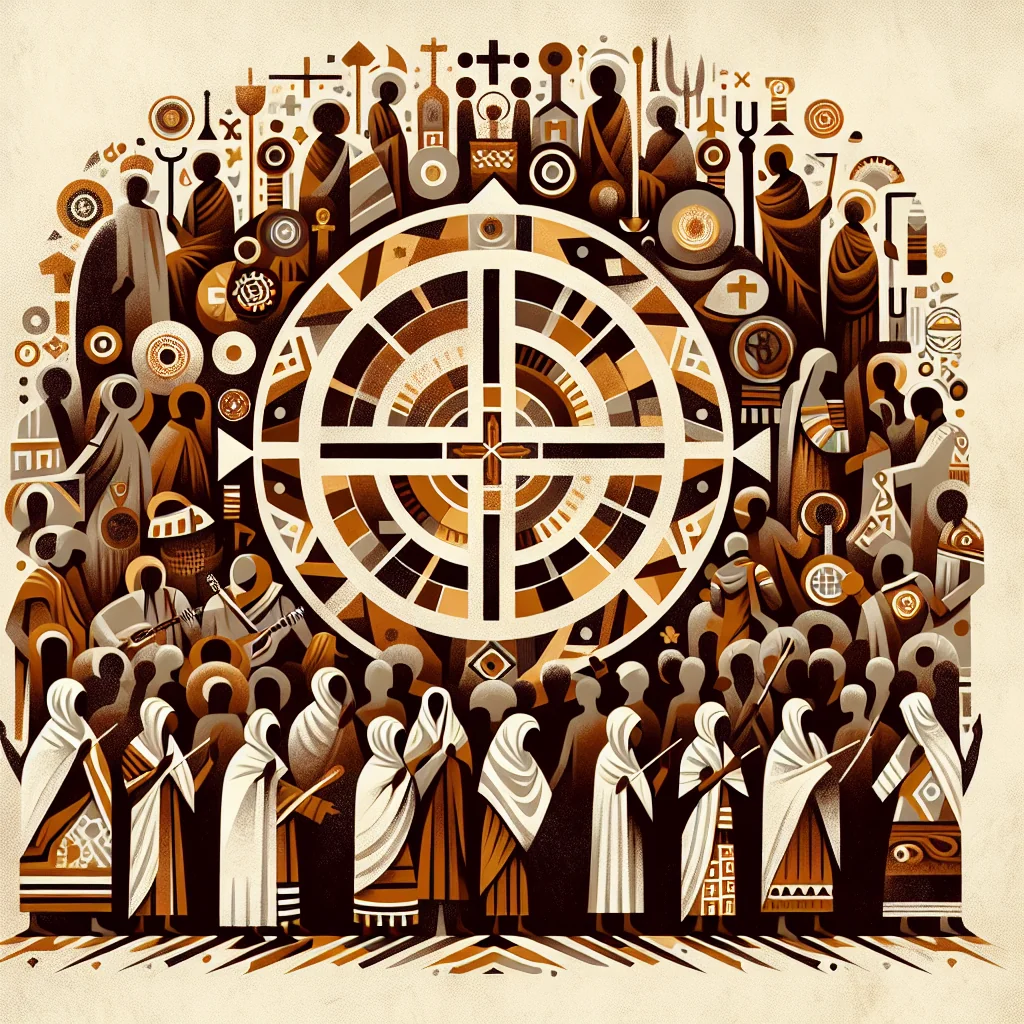
Symbols such as the Ethiopian cross and the colors of the Ethiopian flag are prominent in cultural expression.
What Brings Joy
Community gatherings, traditional music and dance, and religious celebrations bring joy and strengthen cultural bonds.
Celebrations Joyful Traditions
Festivals like Meskel and Timkat are celebrated with traditional foods, music, and communal gatherings.
Cultural Calendar And Holidays
The Ethiopian calendar includes unique holidays such as Enkutatash (New Year) and Fasika (Easter), celebrated with traditional customs.
Additional Notes
The diaspora often blends traditional Ethiopian cultural expressions with influences from their host countries, creating unique hybrid forms.
Economic Context And Occupations
Diaspora members engage in diverse occupations, from entrepreneurship to professional fields, contributing to both local and Ethiopian economies.
Housing And Living Arrangements
Living arrangements vary, with many maintaining close family ties and supporting relatives both locally and in Ethiopia.
Nutrition And Dietary Norms
Traditional Ethiopian cuisine, such as injera and wot, is commonly prepared, with adaptations to local ingredients and dietary practices.
Interpretation Needs
Language services are often needed for Amharic, Oromo, and Tigrinya speakers, particularly in healthcare and legal settings.
Interpreter Notes
Interpreters should be culturally competent and aware of the nuances in dialects and cultural contexts.
Documentation Traditions
Oral traditions are strong, with a growing emphasis on written documentation for cultural preservation and education.
Interactions With Other Cultures
The diaspora actively engages with other cultures, fostering mutual understanding and cultural exchange.
Conflict Resolution Mechanisms
Community-based approaches and dialogue are often used to resolve conflicts, drawing on traditional Ethiopian practices.
Cultural Exchange Programs
Programs promoting cultural exchange and understanding are common, often involving educational and artistic collaborations.
Trade Relations
Diaspora members often facilitate trade between Ethiopia and their host countries, contributing to economic development.
Shared Artistic Projects
Collaborative artistic projects highlight the fusion of Ethiopian and global cultural elements.
Intercultural Marriages
Intercultural marriages are increasingly common, reflecting the diaspora's integration into diverse societies.
Shared Educational Initiatives
Educational initiatives often focus on cultural preservation and the promotion of Ethiopian history and language.
Youth Perspectives
Youth in the diaspora are often at the forefront of cultural adaptation, balancing traditional values with modern influences.
Education Initiatives
Initiatives focus on providing educational opportunities and scholarships for diaspora youth, both locally and in Ethiopia.
Future Challenges
Challenges include maintaining cultural identity, addressing generational gaps, and navigating dual cultural expectations.
Youth Employment Trends
Youth are increasingly pursuing careers in technology, healthcare, and entrepreneurship, reflecting global trends.
Future Visions
The diaspora envisions a future where cultural heritage is preserved while embracing innovation and global integration.
Youth Leadership Roles
Youth are taking on leadership roles in community organizations, advocating for cultural preservation and social change.
Innovation And Startups
There is a growing trend of startups and innovation among diaspora youth, particularly in technology and social enterprises.
Festivals And Celebrations
Diaspora communities celebrate Ethiopian festivals with traditional foods, music, and communal gatherings, reinforcing cultural ties.
Traditional Medicine Practices
Traditional medicine practices are often integrated with modern healthcare, with a focus on holistic well-being.
Environmental Practices
Environmental practices include community gardening and sustainable living initiatives, reflecting traditional Ethiopian values.
Rituals
Rituals such as coffee ceremonies are central to social life, symbolizing hospitality and community bonding.
Rites Of Passage
Rites of passage, such as weddings and coming-of-age ceremonies, are celebrated with traditional customs and community involvement.
Culinary Traditions
Culinary traditions are preserved through the preparation of dishes like injera and doro wot, often adapted to local ingredients.
Climate Adaptation Strategies
Diaspora communities are increasingly involved in climate adaptation strategies, drawing on traditional knowledge and modern practices.
Biodiversity Conservation
Efforts to conserve biodiversity are supported by diaspora initiatives, often in collaboration with Ethiopian organizations.
Sustainable Tourism Practices
Sustainable tourism practices are promoted by diaspora members, emphasizing cultural heritage and environmental conservation.
Renewable Energy Use
Renewable energy initiatives are supported by the diaspora, contributing to sustainable development in Ethiopia.
Community Involvement In Practices
Community involvement is key to cultural and environmental practices, with a focus on collective action and sustainability.
Environmental Education Programs
Programs aim to educate diaspora communities about environmental issues, promoting sustainable practices and awareness.
Notable Figures
Notable figures in the diaspora include athletes, artists, and academics who have achieved international recognition.
Cultural Innovations
Innovations include the fusion of Ethiopian and global cultural elements in music, art, and cuisine.
Literary Works
Diaspora authors contribute to global literature, often exploring themes of identity, migration, and cultural heritage.
Architectural Styles
Architectural styles in diaspora communities often blend Ethiopian elements with local influences, reflecting cultural adaptation.
Scientific Contributions
Diaspora members contribute to scientific fields, particularly in medicine, technology, and environmental sciences.
Culinary Innovations
Culinary innovations include the adaptation of traditional Ethiopian dishes to new ingredients and dietary preferences.
Global Influence
The Ethiopian diaspora has a significant global influence, promoting cultural understanding and contributing to diverse fields.
Awards And Recognition
Diaspora members have received awards and recognition for their contributions to arts, sciences, and community development.
Modern Influences
Modern influences include the integration of global cultural trends with traditional Ethiopian practices, creating unique hybrid forms.
Digital Presence
The diaspora maintains a strong digital presence, using social media and online platforms to connect and share cultural content.
Globalization Effects
Globalization has led to increased cultural exchange and adaptation, with diaspora communities balancing traditional and modern influences.
Urbanization Effects
Urbanization has influenced diaspora communities, leading to changes in lifestyle and cultural practices.
Technology Adoption
Technology adoption is high, with diaspora members using digital tools for communication, education, and cultural preservation.
Hybrid Cultural Forms
Hybrid cultural forms emerge from the blending of Ethiopian and host country traditions, particularly in music, fashion, and art.
Social Media Presence
Social media is a key platform for diaspora communities to share cultural content, connect with others, and promote cultural initiatives.
Challenges
Challenges include maintaining cultural identity, addressing generational gaps, and navigating dual cultural expectations.
Preservation Efforts
Preservation efforts focus on cultural education, community events, and the promotion of Ethiopian language and traditions.
Cultural Artwork
Community Discussion
Further Reading
Explore credible external sources to deepen your understanding of Ethiopian Diaspora culture.