
Eritrean
Horn of Africa TigrinyaTigreAfarSaho
Eritrean culture is a rich tapestry of traditions, languages, and customs influenced by its diverse ethnic groups and historical interactions.
Historical Context
Eritrea has a rich history dating back to ancient times, with influences from the Kingdom of Aksum and later colonization by Italy and British administration.
Migration Patterns
Eritrea has experienced significant migration due to conflict and economic opportunities, leading to a large diaspora in Europe, North America, and the Middle East.
Conflict And Resilience History
Eritrea's history is marked by a long struggle for independence from Ethiopia, achieved in 1993, and ongoing challenges related to border conflicts.
Diaspora Perspectives
The Eritrean diaspora plays a crucial role in the country's economy through remittances and maintains strong cultural ties with their homeland.
Regional Variations
Cultural practices vary significantly across regions, influenced by the diverse ethnic groups and their unique traditions.
Bridging Notes
Efforts to promote national unity focus on celebrating cultural diversity while fostering a shared Eritrean identity.
Spiritual And Religious Practices
Eritrea is religiously diverse, with Christianity (Orthodox, Catholic, and Protestant) and Islam being the predominant faiths, each with unique practices and festivals.
Beliefs And Worldview
Community and family are central to Eritrean life, with a strong emphasis on respect for elders and collective well-being.
Cultural Proverbs Sayings
Proverbs are widely used in Eritrean culture to convey wisdom and values, often reflecting themes of resilience and community.
Naming Conventions And Terms Of Address
Names often reflect religious or cultural significance, and terms of address show respect, particularly towards elders.
Health And Mental Health
Traditional medicine is commonly practiced alongside modern healthcare, with a focus on holistic well-being.
Mental Health Views
Mental health is often stigmatized, but awareness is gradually increasing with efforts to integrate mental health services into primary care.
Traditional Healers
Traditional healers, known as 'sewra', play a significant role in rural health care, offering herbal remedies and spiritual healing.
Gender Roles In Healthcare
Women are primary caregivers in families, but there is a growing presence of women in professional healthcare roles.
Healthcare Barriers
Access to healthcare is limited by infrastructure challenges, economic constraints, and cultural beliefs.
Education And Learning Styles
Education is highly valued, with a focus on rote learning and respect for teachers. There is a strong emphasis on literacy and numeracy.
Learning Styles
Learning is often teacher-centered, but there is a growing shift towards more interactive and student-centered approaches.
Parental Engagement
Parents are actively involved in their children's education, often prioritizing it despite economic hardships.
Family And Social Structure
The family is the cornerstone of Eritrean society, with extended families living together or in close proximity.
Discipline And Behavior
Discipline is often strict, with an emphasis on respect and obedience to elders and authority figures.
Authority Attitudes
Respect for authority is deeply ingrained, with elders and community leaders holding significant influence.
Etiquette And Customs
Hospitality is a key aspect of Eritrean culture, with elaborate rituals for welcoming guests and sharing meals.
Community Strengths Resilience
Communities are tightly knit, with strong support networks that contribute to resilience in the face of adversity.
Art Music And Expression
Eritrean music and dance are vibrant, reflecting the country's diverse ethnic heritage. Traditional instruments like the krar and kebero are commonly used.
Cultural Symbols Motifs
Symbols such as the camel and the coffee ceremony are significant in Eritrean culture, representing endurance and hospitality.
What Brings Joy
Community gatherings, music, dance, and traditional coffee ceremonies are sources of joy and cultural pride.
Celebrations Joyful Traditions
Festivals such as Independence Day and religious holidays are celebrated with music, dance, and communal feasts.
Cultural Calendar And Holidays
Key holidays include Independence Day (May 24), Martyrs' Day (June 20), and various religious festivals.
Additional Notes
Eritrean cultural expression is a blend of ancient traditions and modern influences, reflecting the country's dynamic history.
Economic Context And Occupations
Agriculture is the mainstay of the economy, with a growing emphasis on mining and service industries.
Housing And Living Arrangements
Housing varies from urban apartments to rural traditional huts, with extended families often living together.
Nutrition And Dietary Norms
Injera, a type of flatbread, is a staple food, often served with stews. Meals are communal, emphasizing sharing and hospitality.
Interpretation Needs
Interpretation services are often needed for Tigrinya, Tigre, and other local languages, especially in healthcare and legal settings.
Interpreter Notes
Interpreters should be culturally sensitive and aware of the nuances in dialects and regional expressions.
Documentation Traditions
Oral traditions are strong, with storytelling and proverbs playing a key role in cultural transmission.
Interactions With Other Cultures
Eritrea has historical ties with neighboring countries and a significant diaspora, fostering cultural exchanges.
Conflict Resolution Mechanisms
Traditional conflict resolution involves community elders mediating disputes, emphasizing reconciliation and harmony.
Cultural Exchange Programs
Programs promoting cultural exchange focus on music, dance, and art, often involving the diaspora.
Trade Relations
Trade is primarily with neighboring countries and the Middle East, focusing on agricultural products and textiles.
Shared Artistic Projects
Collaborations in music and film are common, often highlighting shared cultural themes and narratives.
Intercultural Marriages
Intercultural marriages are increasingly common, particularly within the diaspora, fostering cultural blending.
Shared Educational Initiatives
Educational initiatives often involve partnerships with international organizations to improve access and quality.
Youth Perspectives
Eritrean youth are increasingly focused on education and employment opportunities, with a strong sense of national pride.
Education Initiatives
Government and NGOs are working to improve educational infrastructure and access, particularly in rural areas.
Future Challenges
Challenges include economic development, political stability, and addressing the needs of a growing youth population.
Youth Employment Trends
Youth employment is concentrated in agriculture and informal sectors, with efforts to expand opportunities in technology and services.
Future Visions
There is a strong vision for a self-reliant and prosperous Eritrea, with youth playing a key role in innovation and development.
Youth Leadership Roles
Youth are increasingly taking leadership roles in community development and social change initiatives.
Innovation And Startups
There is a budding startup culture, particularly in technology and agriculture, driven by young entrepreneurs.
Festivals And Celebrations
Cultural festivals celebrate ethnic diversity, with music, dance, and traditional attire playing central roles.
Traditional Medicine Practices
Herbal remedies and spiritual healing are integral to traditional medicine, often used alongside modern healthcare.
Environmental Practices
Community-based conservation efforts focus on sustainable agriculture and reforestation to combat desertification.
Rituals
Rituals often mark life events such as births, marriages, and funerals, with community participation and traditional customs.
Rites Of Passage
Rites of passage, such as circumcision and coming-of-age ceremonies, are important cultural milestones.
Culinary Traditions
Eritrean cuisine is known for its rich flavors and communal dining, with dishes like zigni and shiro being popular.
Climate Adaptation Strategies
Adaptation strategies include water conservation, crop diversification, and traditional knowledge integration.
Biodiversity Conservation
Efforts focus on protecting native species and habitats, with community involvement in conservation projects.
Sustainable Tourism Practices
Tourism initiatives emphasize cultural heritage and natural beauty, promoting eco-friendly practices.
Renewable Energy Use
There is a growing emphasis on solar and wind energy to reduce reliance on fossil fuels and improve energy access.
Community Involvement In Practices
Community involvement is key in environmental and cultural practices, fostering a sense of ownership and responsibility.
Environmental Education Programs
Programs aim to raise awareness about environmental issues and promote sustainable practices among youth.
Notable Figures
Notable Eritreans include musician Abraham Afewerki and cyclist Daniel Teklehaimanot, who have gained international recognition.
Cultural Innovations
Eritrean artists and musicians are known for blending traditional and contemporary styles, creating unique cultural expressions.
Literary Works
Eritrean literature often explores themes of identity, struggle, and resilience, with works by authors like Alemseged Tesfai.
Architectural Styles
Traditional Eritrean architecture features stone and adobe structures, with Italian colonial influences in urban areas.
Scientific Contributions
Eritrean scientists are contributing to fields such as agriculture and renewable energy, focusing on local challenges.
Culinary Innovations
Eritrean cuisine is gaining international popularity, with innovative takes on traditional dishes in diaspora communities.
Global Influence
Eritrean culture influences global music, cuisine, and fashion, particularly through its diaspora.
Awards And Recognition
Eritrean artists and athletes have received international awards, highlighting the country's cultural and sporting achievements.
Modern Influences
Globalization and technology are influencing Eritrean culture, leading to a blend of traditional and modern practices.
Digital Presence
Eritreans are increasingly active on digital platforms, using social media to connect with the diaspora and share cultural content.
Globalization Effects
Globalization has brought both opportunities and challenges, impacting traditional lifestyles and economic structures.
Urbanization Effects
Urbanization is leading to changes in social structures and lifestyles, with a growing emphasis on modern amenities.
Technology Adoption
Technology adoption is increasing, particularly in communication and education, with a focus on bridging the digital divide.
Hybrid Cultural Forms
Hybrid cultural forms are emerging, blending Eritrean traditions with global influences in music, fashion, and art.
Social Media Presence
Social media is a powerful tool for cultural expression and activism, with Eritreans using platforms to share stories and advocate for change.
Challenges
Eritrea faces challenges such as economic development, political stability, and preserving cultural heritage amid modernization.
Preservation Efforts
Efforts to preserve cultural heritage include documenting oral traditions, promoting traditional arts, and supporting cultural institutions.
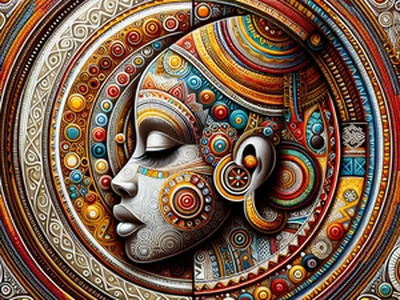
Cultural Artwork
Community Discussion
Further Reading
Explore credible external sources to deepen your understanding of Eritrean culture.