

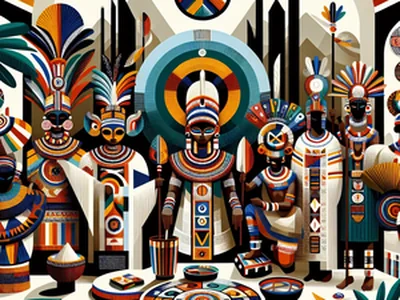
Efik
Southeastern Nigeria, primarily in Cross River State Efik
The Efik people are an ethnic group located primarily in southeastern Nigeria, known for their rich cultural heritage, language, and historical significance in trade and education.
Historical Context
The Efik people have a rich history as traders and were among the first in Nigeria to embrace Western education and Christianity. They played a pivotal role in the transatlantic trade, particularly in the export of palm oil and slaves.
Migration Patterns
The Efik migrated from the Ibibio hinterland to the coastal areas of southeastern Nigeria, establishing settlements along the Cross River.
Conflict And Resilience History
The Efik have experienced various conflicts, including colonial interventions and inter-ethnic tensions, but have shown resilience through cultural preservation and adaptation.
Diaspora Perspectives
Efik communities exist in the diaspora, particularly in the United States and the United Kingdom, where they maintain cultural practices and contribute to multicultural societies.
Regional Variations
Within the Efik culture, there are variations in dialects and customs, influenced by interactions with neighboring ethnic groups.
Bridging Notes
The Efik have historically served as cultural and economic bridges between the interior and coastal regions of Nigeria.
Spiritual And Religious Practices
The Efik practice a blend of Christianity and traditional beliefs. Traditional religious practices include reverence for ancestors and deities, with rituals often conducted by community elders.
Beliefs And Worldview
Efik worldview is deeply rooted in communal living, respect for elders, and the importance of family and tradition. They believe in the interconnectedness of the spiritual and physical worlds.
Cultural Proverbs Sayings
Efik proverbs often emphasize wisdom, patience, and the importance of community, such as 'A tree does not make a forest.'
Naming Conventions And Terms Of Address
Names often reflect circumstances of birth, ancestral lineage, or religious significance. Respectful terms of address are important, especially for elders.
Health And Mental Health
Health practices among the Efik include a mix of traditional medicine and modern healthcare. Mental health is often approached through community support and traditional healing practices.
Mental Health Views
Mental health issues are sometimes stigmatized, but there is growing awareness and acceptance of mental health care.
Traditional Healers
Traditional healers, known as 'dibia,' play a significant role in community health, offering herbal remedies and spiritual guidance.
Gender Roles In Healthcare
Women are often primary caregivers in families, while men may have more access to formal healthcare services.
Healthcare Barriers
Barriers include limited access to healthcare facilities, financial constraints, and cultural beliefs that may prioritize traditional medicine.
Education And Learning Styles
Education is highly valued, with a focus on both formal schooling and traditional knowledge. Storytelling and oral traditions are key learning methods.
Learning Styles
Efik children often learn through observation, participation, and oral instruction, emphasizing communal and experiential learning.
Parental Engagement
Parents are actively involved in their children's education, often encouraging both academic and cultural learning.
Family And Social Structure
The Efik social structure is traditionally patriarchal, with extended families living together. Elders hold significant authority and are respected for their wisdom.
Discipline And Behavior
Discipline is often communal, with an emphasis on respect for elders and adherence to cultural norms.
Authority Attitudes
Authority is respected, particularly that of community leaders and elders, who are seen as custodians of tradition.
Etiquette And Customs
Efik customs emphasize hospitality, respect, and communal living. Greetings and respectful address are important social practices.
Community Strengths Resilience
The Efik community is known for its resilience, strong kinship ties, and ability to adapt to changing circumstances while preserving cultural heritage.
Art Music And Expression
Efik art includes intricate wood carvings, textiles, and traditional music featuring drums and flutes. Dance is an integral part of cultural expression.
Cultural Symbols Motifs
Common motifs include symbols of fertility, prosperity, and protection, often depicted in art and textiles.
What Brings Joy
Community gatherings, festivals, and storytelling are sources of joy and cultural pride for the Efik people.
Celebrations Joyful Traditions
Festivals such as the Ekpe and New Yam Festival are celebrated with music, dance, and communal feasting.
Cultural Calendar And Holidays
The Efik cultural calendar includes traditional festivals, Christian holidays, and community events that mark important agricultural and social milestones.
Additional Notes
The Efik are known for their hospitality and vibrant cultural expressions, which continue to thrive in both rural and urban settings.
Economic Context And Occupations
The Efik economy traditionally revolves around fishing, farming, and trade. In modern times, many Efik people engage in business, education, and public service.
Housing And Living Arrangements
Traditional Efik homes are often communal, with extended families living together. Urbanization has led to more nuclear family arrangements.
Nutrition And Dietary Norms
Efik cuisine is known for its use of seafood, yams, and spices. Meals are often communal, reflecting the importance of family and community.
Interpretation Needs
Interpretation services may be needed for Efik speakers in non-Efik regions, particularly in healthcare and legal settings.
Interpreter Notes
Interpreters should be aware of cultural nuances and respect for elders when translating Efik language.
Documentation Traditions
Oral tradition is strong, but there is also a growing body of written literature in the Efik language.
Interactions With Other Cultures
The Efik have historically interacted with various cultures through trade and education, fostering mutual exchange and understanding.
Conflict Resolution Mechanisms
Traditional councils and community elders often mediate conflicts, emphasizing dialogue and reconciliation.
Cultural Exchange Programs
There are initiatives to promote cultural exchange between Efik communities and other ethnic groups, both within Nigeria and internationally.
Trade Relations
Historically, the Efik were prominent traders, establishing trade networks with European and other African traders.
Shared Artistic Projects
Collaborations in music and art with neighboring cultures are common, reflecting shared histories and influences.
Intercultural Marriages
Intercultural marriages are accepted and often celebrated, contributing to cultural diversity and understanding.
Shared Educational Initiatives
Educational programs often include cultural studies that promote understanding and appreciation of Efik heritage.
Youth Perspectives
Efik youth are increasingly engaged in cultural preservation and modernization, balancing traditional values with contemporary influences.
Education Initiatives
Programs aimed at improving educational access and quality for Efik youth are ongoing, emphasizing both academic and cultural education.
Future Challenges
Challenges include economic opportunities, cultural preservation, and adapting to global changes while maintaining cultural identity.
Youth Employment Trends
Youth employment is focused on both traditional occupations and modern sectors like technology and education.
Future Visions
The Efik envision a future where cultural heritage is preserved while embracing modern advancements and opportunities.
Youth Leadership Roles
Young Efik are increasingly taking on leadership roles in community development and cultural initiatives.
Innovation And Startups
There is a growing trend of Efik youth engaging in startups and innovation, particularly in technology and creative industries.
Festivals And Celebrations
Festivals such as the Ekpe and New Yam Festival are central to Efik cultural life, featuring music, dance, and communal feasting.
Traditional Medicine Practices
Herbal medicine and spiritual healing are integral to Efik traditional medicine, often practiced by community healers.
Environmental Practices
Traditional Efik practices emphasize sustainable use of natural resources, particularly in fishing and agriculture.
Rituals
Rituals often involve music, dance, and offerings to ancestors and deities, reflecting the spiritual beliefs of the Efik.
Rites Of Passage
Rites of passage, such as initiation ceremonies, mark important life transitions and are celebrated with community participation.
Culinary Traditions
Efik cuisine is renowned for its rich flavors and use of seafood, with dishes like 'Edikang Ikong' and 'Afang soup' being popular.
Climate Adaptation Strategies
The Efik have traditional knowledge of adapting to climate variations, particularly in agriculture and fishing.
Biodiversity Conservation
Community practices often include conservation efforts, recognizing the importance of biodiversity for sustainable living.
Sustainable Tourism Practices
Efforts are being made to promote sustainable tourism that respects and preserves Efik cultural heritage and natural environments.
Renewable Energy Use
There is growing interest in renewable energy sources, particularly solar power, to support sustainable development.
Community Involvement In Practices
Community involvement is key in cultural and environmental practices, ensuring that traditions are upheld and resources are managed sustainably.
Environmental Education Programs
Programs aimed at educating the community about environmental conservation and sustainable practices are being developed.
Notable Figures
Notable Efik figures include King Eyo Honesty II, a prominent 19th-century ruler, and Margaret Ekpo, a renowned women's rights activist.
Cultural Innovations
The Efik have contributed to cultural innovations in music, dance, and art, influencing broader Nigerian and African cultural landscapes.
Literary Works
Efik literature includes both oral traditions and written works, with authors contributing to Nigerian literature in English and Efik.
Architectural Styles
Traditional Efik architecture features wooden structures with intricate carvings, reflecting both aesthetic and functional design.
Scientific Contributions
Efik individuals have contributed to various scientific fields, particularly in education and public health.
Culinary Innovations
Efik cuisine is celebrated for its unique flavors and dishes, influencing Nigerian culinary practices and gaining international recognition.
Global Influence
The Efik culture has influenced global perceptions of Nigerian culture, particularly through its cuisine, music, and historical significance.
Awards And Recognition
Efik individuals and cultural groups have received recognition for their contributions to arts, culture, and social development.
Modern Influences
Modern influences include globalization, technology, and urbanization, which are reshaping Efik cultural practices and lifestyles.
Digital Presence
The Efik have a growing digital presence, with cultural content being shared through social media and online platforms.
Globalization Effects
Globalization has brought both opportunities and challenges, influencing cultural practices and economic activities.
Urbanization Effects
Urbanization is leading to changes in traditional living arrangements and social structures, with more Efik people living in urban areas.
Technology Adoption
Technology adoption is increasing, with Efik youth engaging in digital innovation and entrepreneurship.
Hybrid Cultural Forms
Hybrid cultural forms are emerging, blending traditional Efik elements with modern influences in music, fashion, and art.
Social Media Presence
Efik culture is actively represented on social media, promoting cultural heritage and connecting with the diaspora.
Challenges
Challenges include cultural preservation amidst modernization, economic development, and addressing social issues such as education and healthcare.
Preservation Efforts
Efforts to preserve Efik culture include documentation of oral traditions, promotion of cultural festivals, and education programs.
Cultural Artwork
Community Discussion
Further Reading
Explore credible external sources to deepen your understanding of Efik culture.