
Dogras
Jammu and Kashmir, India DogriHindiPunjabi
The Dogras are an ethnic group primarily found in the Jammu region of India, known for their rich cultural heritage, traditional music, and vibrant festivals.
Historical Context
The Dogras have a long history dating back to ancient times, with their roots in the Jammu region. They were known for their warrior skills and played a significant role in the history of Jammu and Kashmir.
Migration Patterns
Historically, the Dogras have migrated within the Jammu region and to neighboring areas due to socio-political changes and economic opportunities.
Conflict And Resilience History
The Dogras have faced various conflicts, particularly during the partition of India, but have shown resilience by preserving their cultural identity.
Diaspora Perspectives
Dogra communities abroad maintain their cultural practices through festivals and community gatherings, fostering a sense of identity and belonging.
Regional Variations
Within the Dogra community, there are variations in dialects and customs based on geographical location, such as those living in hilly versus plain areas.
Bridging Notes
The Dogras have historically acted as a bridge between different cultures in the Jammu region, facilitating cultural exchange and understanding.
Spiritual And Religious Practices
The Dogras predominantly practice Hinduism, with significant influences from Sikhism and Buddhism. They celebrate festivals like Lohri, Baisakhi, and Diwali with great enthusiasm.
Beliefs And Worldview
Dogras value bravery, honor, and community. Their worldview is shaped by a blend of religious beliefs and a strong sense of regional identity.
Cultural Proverbs Sayings
Dogri proverbs often emphasize wisdom, courage, and the importance of community and family.
Naming Conventions And Terms Of Address
Dogras typically use traditional Hindu naming conventions, with names often reflecting religious or cultural significance. Respectful terms of address are used for elders and authority figures.
Health And Mental Health
Traditional health practices are common, with a reliance on herbal remedies and Ayurvedic medicine. Mental health is often approached with a focus on community support.
Mental Health Views
Mental health is sometimes stigmatized, but there is growing awareness and acceptance of mental health issues, particularly among younger generations.
Traditional Healers
Vaidyas and local healers play a role in providing traditional medical care, especially in rural areas.
Gender Roles In Healthcare
Healthcare roles are traditionally gendered, with women often responsible for family health and caregiving.
Healthcare Barriers
Access to healthcare can be limited in rural areas, with barriers including distance, cost, and availability of services.
Education And Learning Styles
Education is highly valued, with a focus on both traditional knowledge and modern education. Schools often emphasize rote learning and discipline.
Learning Styles
Learning is often teacher-centered, with an emphasis on memorization and examination performance.
Parental Engagement
Parents are actively involved in their children's education, often prioritizing academic success and career-oriented learning.
Family And Social Structure
The Dogra community is traditionally patriarchal, with extended families living together. Family ties are strong, and elders are respected.
Discipline And Behavior
Discipline is valued, with children taught to respect elders and adhere to social norms.
Authority Attitudes
Authority figures, such as community leaders and elders, are respected and play a significant role in decision-making.
Etiquette And Customs
Dogras follow traditional customs in social interactions, including respectful greetings and hospitality towards guests.
Community Strengths Resilience
The Dogra community is known for its resilience, maintaining cultural traditions and community bonds despite external challenges.
Art Music And Expression
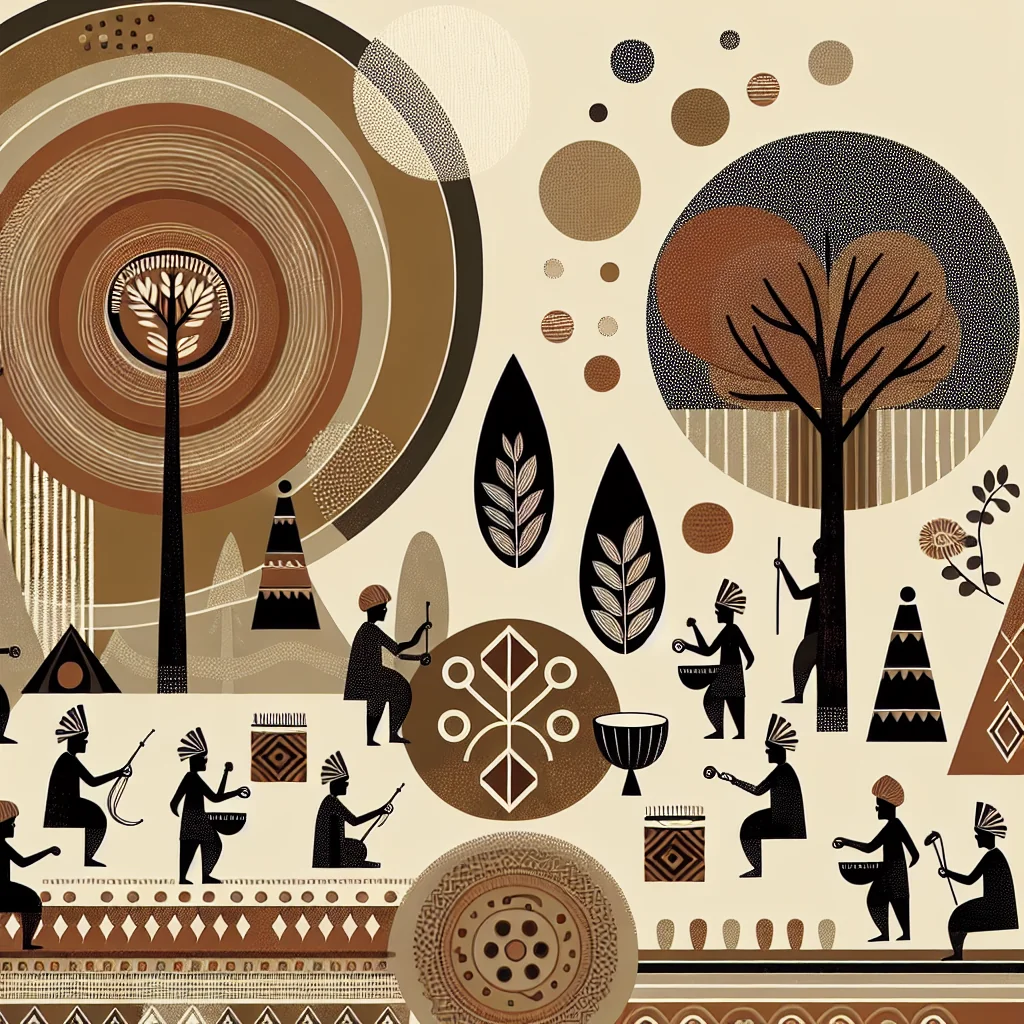
Dogra culture is rich in folk music and dance, with traditional instruments like the 'Chimta' and 'Dhol' being popular. Art forms include intricate embroidery and crafts.
Cultural Symbols Motifs
Common motifs include floral patterns and religious symbols, often seen in traditional attire and decorations.
What Brings Joy
Festivals, community gatherings, and traditional music and dance are sources of joy and cultural pride.
Celebrations Joyful Traditions
Festivals such as Lohri and Baisakhi are celebrated with music, dance, and communal feasts, reflecting the community's vibrant spirit.
Cultural Calendar And Holidays
The Dogra cultural calendar includes Hindu festivals and regional celebrations, marking agricultural cycles and religious events.
Additional Notes
Dogra culture is characterized by a blend of traditional and modern influences, with a strong emphasis on community and cultural heritage.
Economic Context And Occupations
Traditionally, Dogras have been involved in agriculture, military service, and trade. Modern occupations include government jobs and business.
Housing And Living Arrangements
Housing varies from traditional mud houses in rural areas to modern homes in urban settings, often accommodating extended families.
Nutrition And Dietary Norms
The Dogra diet is primarily vegetarian, with staples like rice, wheat, and lentils. Meat is consumed occasionally, with goat and chicken being popular choices.
Interpretation Needs
Interpretation services may be required for Dogri speakers in regions where Hindi or English is the primary language.
Interpreter Notes
Interpreters should be familiar with regional dialects and cultural nuances to effectively communicate with Dogri speakers.
Documentation Traditions
Oral traditions are strong, with stories and history often passed down verbally. Written documentation is becoming more common with increased literacy.
Interactions With Other Cultures
Dogras have historically interacted with neighboring cultures such as Punjabis and Kashmiris, sharing cultural practices and traditions.
Conflict Resolution Mechanisms
Community elders and local leaders often mediate conflicts, emphasizing dialogue and mutual respect.
Cultural Exchange Programs
There are initiatives to promote cultural exchange with other Indian states, fostering understanding and cooperation.
Trade Relations
Historically, Dogras engaged in trade with neighboring regions, exchanging goods like textiles and agricultural products.
Shared Artistic Projects
Collaborations in music and dance with neighboring cultures are common, reflecting shared artistic heritage.
Intercultural Marriages
Intercultural marriages occur, particularly with neighboring Punjabi and Kashmiri communities, promoting cultural integration.
Shared Educational Initiatives
Educational programs often include cultural studies that highlight the shared history and traditions of the region.
Youth Perspectives
Dogra youth are increasingly focused on education and career opportunities, balancing traditional values with modern aspirations.
Education Initiatives
Programs aimed at improving educational access and quality for Dogra youth are being implemented, emphasizing STEM and vocational training.
Future Challenges
Challenges include preserving cultural identity amidst modernization and addressing economic disparities.
Youth Employment Trends
There is a trend towards employment in technology, government, and service sectors, with many seeking opportunities outside the region.
Future Visions
The Dogra community envisions a future where cultural heritage is preserved while embracing modern advancements.
Youth Leadership Roles
Youth are increasingly taking on leadership roles in community organizations and cultural preservation efforts.
Innovation And Startups
There is a growing interest in entrepreneurship, with young Dogras exploring startups in technology and sustainable practices.
Festivals And Celebrations
Festivals like Lohri and Baisakhi are celebrated with traditional music, dance, and communal feasts, reflecting agricultural cycles and religious significance.
Traditional Medicine Practices
Ayurvedic and herbal remedies are commonly used, with traditional healers playing a significant role in community health.
Environmental Practices
Traditional agricultural practices emphasize sustainability, with a focus on crop rotation and organic farming.
Rituals
Rituals often involve religious ceremonies, community gatherings, and traditional music and dance.
Rites Of Passage
Important life events such as births, marriages, and deaths are marked by elaborate ceremonies and community participation.
Culinary Traditions
Dogra cuisine includes dishes like 'Madra' and 'Khatta Meat', characterized by rich flavors and the use of local spices.
Climate Adaptation Strategies
Communities are adapting to climate change through water conservation and sustainable agricultural practices.
Biodiversity Conservation
Efforts are being made to conserve local flora and fauna, with community involvement in environmental protection initiatives.
Sustainable Tourism Practices
There is a focus on promoting eco-friendly tourism that respects local culture and environment.
Renewable Energy Use
Renewable energy sources, such as solar power, are being explored to reduce reliance on traditional energy sources.
Community Involvement In Practices
Community members actively participate in environmental conservation and cultural preservation efforts.
Environmental Education Programs
Programs are being implemented to educate the community about environmental conservation and sustainable practices.
Notable Figures
Maharaja Gulab Singh, the founder of the princely state of Jammu and Kashmir, is a prominent figure in Dogra history.
Cultural Innovations
The Dogras have contributed to the development of traditional music and dance forms, enriching the cultural tapestry of the region.
Literary Works
Dogri literature includes poetry and folk tales that reflect the cultural and social life of the Dogras.
Architectural Styles
Dogra architecture is characterized by forts and palaces, such as the Mubarak Mandi Palace, showcasing a blend of Rajput and Mughal influences.
Scientific Contributions
Dogra scholars have contributed to fields like agriculture and traditional medicine, promoting sustainable practices.
Culinary Innovations
Dogra cuisine is known for its unique flavors and use of local ingredients, contributing to the culinary diversity of the region.
Global Influence
The Dogra diaspora has helped spread awareness of Dogra culture globally, particularly through cultural festivals and community organizations.
Awards And Recognition
Dogra artists and scholars have received recognition for their contributions to culture and academia, both nationally and internationally.
Modern Influences
Modern influences include increased exposure to global media and technology, impacting lifestyle and cultural practices.
Digital Presence
Dogra culture is increasingly represented online through social media and digital platforms, promoting cultural awareness.
Globalization Effects
Globalization has led to cultural exchanges and the adoption of new practices, while also posing challenges to cultural preservation.
Urbanization Effects
Urbanization has brought economic opportunities but also challenges in maintaining traditional lifestyles and community structures.
Technology Adoption
Technology is being adopted in education, communication, and business, facilitating modernization and connectivity.
Hybrid Cultural Forms
Hybrid cultural forms are emerging, blending traditional Dogra elements with modern influences in music, fashion, and art.
Social Media Presence
Social media is used to connect with the Dogra diaspora and promote cultural events, fostering a sense of community.
Challenges
Challenges include preserving cultural identity amidst modernization, economic disparities, and environmental changes.
Preservation Efforts
Efforts are being made to document and promote Dogra culture through cultural festivals, educational programs, and community initiatives.
Cultural Artwork
Community Discussion
Further Reading
Explore credible external sources to deepen your understanding of Dogras culture.