
Cypriot
Eastern Mediterranean GreekTurkish
The Cypriot culture is a rich blend of Greek and Turkish influences, reflecting the island's complex history and diverse population.
Historical Context
Cyprus has a long history of occupation by various powers, including the Greeks, Romans, Byzantines, Ottomans, and British, each leaving a significant cultural imprint.
Migration Patterns
Historically, Cyprus has seen waves of migration due to its strategic location, including Greek and Turkish settlers, as well as British colonial administrators.
Conflict And Resilience History
The island has experienced conflict, notably the division between Greek Cypriots and Turkish Cypriots, leading to a resilient culture that values peace and coexistence.
Diaspora Perspectives
The Cypriot diaspora, particularly in the UK, Australia, and the US, maintains strong cultural ties and contributes to the cultural exchange between Cyprus and these countries.
Regional Variations
There are distinct cultural variations between the Greek Cypriot south and the Turkish Cypriot north, influenced by their respective cultural heritages.
Bridging Notes
Efforts continue to bridge cultural divides through bi-communal activities and peace-building initiatives.
Spiritual And Religious Practices
Greek Cypriots predominantly follow Eastern Orthodox Christianity, while Turkish Cypriots are mainly Sunni Muslims, with both communities observing religious festivals and traditions.
Beliefs And Worldview
Cypriots value family, hospitality, and community, with a worldview shaped by both Eastern and Western influences.
Cultural Proverbs Sayings
Common proverbs reflect the importance of family and community, such as 'A family is like a forest, when you are outside it is dense, when you are inside you see that each tree has its place.'
Naming Conventions And Terms Of Address
Greek Cypriots often use Greek names with patronymic conventions, while Turkish Cypriots use Turkish names, with respectful terms of address being important in both communities.
Health And Mental Health
Health care in Cyprus is a mix of public and private services, with an emphasis on family involvement in health decisions.
Mental Health Views
Mental health is increasingly recognized as important, though stigma can still be a barrier to seeking help.
Traditional Healers
Traditional remedies and herbal medicine are sometimes used alongside modern medical practices.
Gender Roles In Healthcare
Gender roles can influence healthcare decisions, with women often taking primary responsibility for family health.
Healthcare Barriers
Language and cultural differences can pose challenges, particularly in accessing mental health services.
Education And Learning Styles
Education is highly valued, with a strong emphasis on academic achievement and bilingual education in Greek and Turkish communities.
Learning Styles
Cypriot students often engage in collaborative learning, with a focus on both theoretical and practical knowledge.
Parental Engagement
Parents are actively involved in their children's education, often participating in school activities and decision-making processes.
Family And Social Structure
Family is the cornerstone of Cypriot society, with extended families often living close together and providing mutual support.
Discipline And Behavior
Respect for elders and authority figures is emphasized, with discipline often involving guidance rather than punishment.
Authority Attitudes
There is a strong respect for authority, particularly within family and educational settings.
Etiquette And Customs
Hospitality is a key cultural value, with guests often offered food and drink as a sign of respect and friendship.
Community Strengths Resilience
Communities are tight-knit, with a strong sense of resilience and solidarity, particularly in times of crisis.
Art Music And Expression
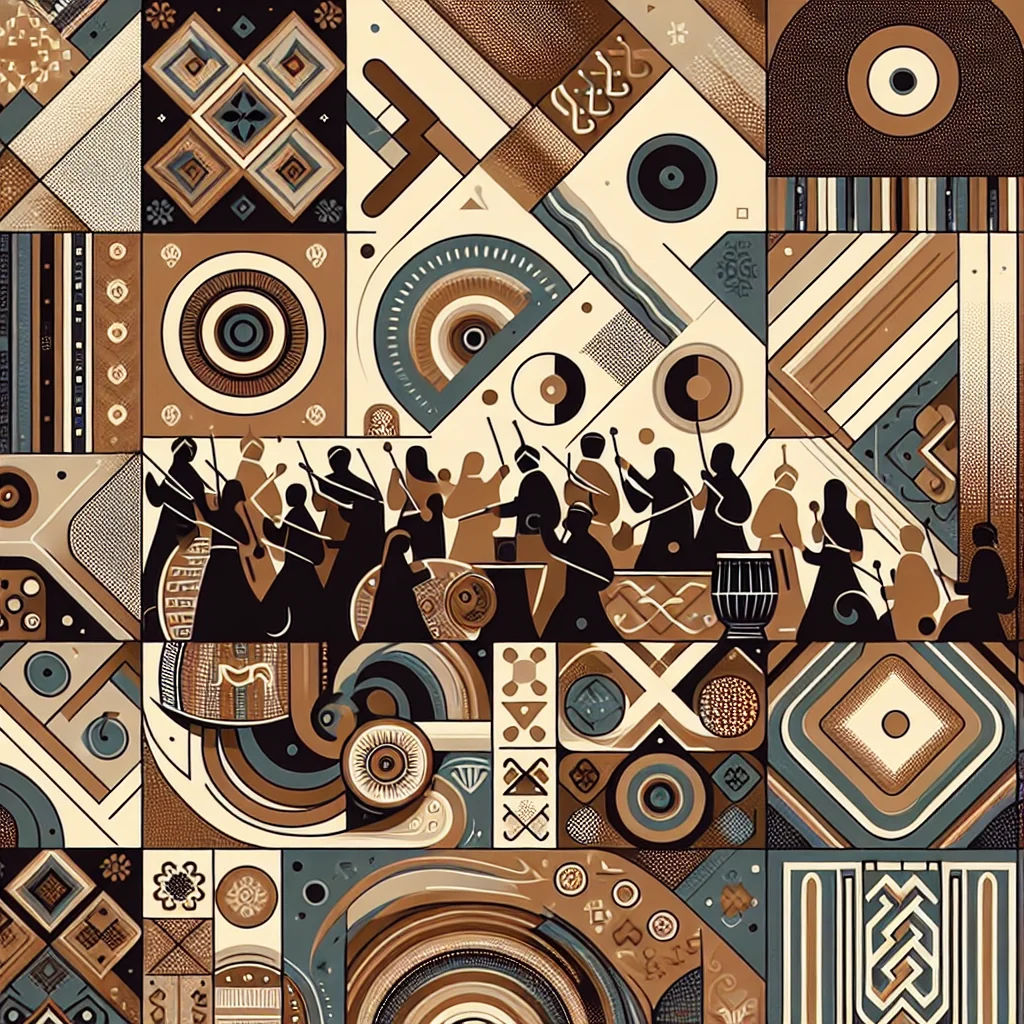
Cypriot culture is rich in music and dance, with traditional folk music and dances like the 'syrtos' and 'zeibekiko' being popular.
Cultural Symbols Motifs
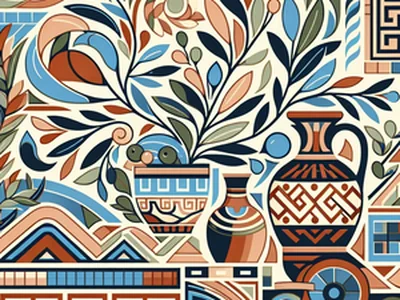
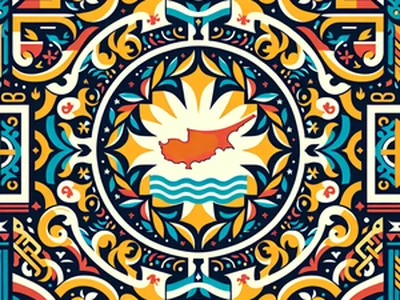
Symbols such as the olive branch and the dove are common, representing peace and unity.
What Brings Joy
Family gatherings, traditional festivals, and music are central to Cypriot joy and celebration.
Celebrations Joyful Traditions
Festivals such as Easter and Bayram are celebrated with feasts, music, and dance.
Cultural Calendar And Holidays
Key holidays include Greek Orthodox Easter, Christmas, and Turkish Cypriot Bayram celebrations.
Additional Notes
Cypriot culture places a strong emphasis on oral traditions and storytelling.
Economic Context And Occupations
The economy is diverse, with key sectors including tourism, agriculture, and services.
Housing And Living Arrangements
Housing varies from urban apartments to rural homes, with a trend towards multi-generational living.
Nutrition And Dietary Norms
The Mediterranean diet is prevalent, emphasizing fresh vegetables, olive oil, and seafood.
Interpretation Needs
Interpretation services are often needed in legal and healthcare settings, particularly for Turkish speakers in the south and Greek speakers in the north.
Interpreter Notes
Interpreters should be culturally sensitive and aware of the historical context of language use in Cyprus.
Documentation Traditions
Documentation is typically bilingual, reflecting the official languages of Greek and Turkish.
Interactions With Other Cultures
Cyprus has a history of cultural exchange due to its strategic location, fostering interactions with European, Middle Eastern, and North African cultures.
Conflict Resolution Mechanisms
Bi-communal committees and international mediation efforts are key to conflict resolution.
Cultural Exchange Programs
Various programs promote cultural exchange, particularly between Greek and Turkish Cypriots.
Trade Relations
Cyprus engages in trade with the EU, Middle East, and beyond, reflecting its strategic location.
Shared Artistic Projects
Artistic collaborations often focus on themes of peace and reconciliation.
Intercultural Marriages
Intercultural marriages are becoming more common, reflecting increasing social integration.
Shared Educational Initiatives
Educational initiatives often aim to promote understanding and cooperation between different cultural groups.
Youth Perspectives
Cypriot youth are increasingly global in outlook, valuing education and career opportunities abroad.
Education Initiatives
Programs focus on bilingual education and fostering digital literacy.
Future Challenges
Challenges include economic stability, political reconciliation, and environmental sustainability.
Youth Employment Trends
There is a trend towards entrepreneurship and technology-driven careers.
Future Visions
Youth envision a more unified and sustainable Cyprus, with opportunities for all.
Youth Leadership Roles
Young people are increasingly taking on leadership roles in community and political organizations.
Innovation And Startups
The startup scene is growing, particularly in tech and sustainable industries.
Festivals And Celebrations
Festivals such as the Limassol Carnival and Kataklysmos (Festival of the Flood) are celebrated with parades and music.
Traditional Medicine Practices
Herbal remedies and traditional healing practices are still used, often alongside modern medicine.
Environmental Practices
There is a growing focus on sustainable practices, including recycling and conservation efforts.
Rituals
Rituals often revolve around religious and seasonal events, such as Easter and harvest festivals.
Rites Of Passage
Rites of passage include christenings, weddings, and funerals, often marked by large family gatherings.
Culinary Traditions
Cypriot cuisine includes dishes like halloumi, souvlaki, and meze, reflecting a blend of Greek and Turkish influences.
Climate Adaptation Strategies
Efforts are being made to adapt to climate change, particularly in agriculture and water management.
Biodiversity Conservation
Conservation efforts focus on protecting the island's unique flora and fauna.
Sustainable Tourism Practices
Sustainable tourism is promoted to preserve cultural heritage and natural landscapes.
Renewable Energy Use
There is increasing investment in solar and wind energy to reduce reliance on fossil fuels.
Community Involvement In Practices
Community groups are active in promoting environmental awareness and conservation.
Environmental Education Programs
Programs aim to educate young people about environmental issues and sustainable practices.
Notable Figures
Notable Cypriots include Archbishop Makarios III, the first President of Cyprus, and Nobel Prize-winning poet Giorgos Seferis.
Cultural Innovations
Cyprus has contributed to the arts with its unique blend of Eastern and Western influences in music and dance.
Literary Works
Cypriot literature often explores themes of identity, conflict, and reconciliation.
Architectural Styles
Architecture in Cyprus reflects a mix of Byzantine, Gothic, and Ottoman influences.
Scientific Contributions
Cypriot scientists have made contributions in fields such as archaeology and environmental science.
Culinary Innovations
Cypriot cuisine is known for its fusion of flavors, with dishes like halloumi gaining international popularity.
Global Influence
Cypriot culture has influenced and been influenced by its interactions with Europe, the Middle East, and beyond.
Awards And Recognition
Cypriot artists and writers have received international recognition, including awards in literature and film.
Modern Influences
Modern Cypriot culture is influenced by globalization, with a blend of traditional and contemporary elements.
Digital Presence
Cypriots are active on social media, using it to connect with the diaspora and promote cultural heritage.
Globalization Effects
Globalization has brought both opportunities and challenges, influencing cultural practices and economic development.
Urbanization Effects
Urbanization has led to changes in lifestyle, with a shift towards more cosmopolitan living in cities.
Technology Adoption
Technology is widely adopted, with a focus on digital innovation and entrepreneurship.
Hybrid Cultural Forms
Hybrid cultural forms are emerging, blending traditional Cypriot elements with global trends.
Social Media Presence
Social media is used to share cultural events and connect with the global Cypriot community.
Challenges
Challenges include political division, economic disparities, and preserving cultural heritage in the face of modernization.
Preservation Efforts
Efforts are underway to preserve cultural heritage through education, documentation, and community initiatives.
Cultural Artwork
Community Discussion
Further Reading
Explore credible external sources to deepen your understanding of Cypriot culture.