
Corsicans
Corsica, France CorsicanFrench
Corsicans are an ethnic group native to the island of Corsica, known for their distinct language, traditions, and cultural identity.
Historical Context
Corsica has a complex history of colonization and resistance, having been under Genoese, French, and briefly British rule. The island's strategic location in the Mediterranean has made it a crossroads of various cultures.
Migration Patterns
Historically, Corsicans have migrated to mainland France and other parts of Europe for economic opportunities, while also experiencing inward migration from mainland France.
Conflict And Resilience History
Corsicans have a history of resistance against foreign domination, notably against Genoese and French rule, leading to a strong sense of regional identity and autonomy movements.
Diaspora Perspectives
The Corsican diaspora maintains strong ties to the island, often participating in cultural festivals and supporting local causes from abroad.
Regional Variations
There are notable cultural differences between the northern and southern parts of Corsica, influenced by historical governance and geographical isolation.
Bridging Notes
Understanding Corsican history requires acknowledging its dual identity as both a part of France and a distinct cultural entity with unique traditions.
Spiritual And Religious Practices
Predominantly Roman Catholic, Corsicans observe religious festivals with fervor, blending Christian practices with local traditions.
Beliefs And Worldview
Corsicans value family, community, and a connection to the land. They have a strong sense of pride in their cultural heritage and autonomy.
Cultural Proverbs Sayings
Proverbs often emphasize the importance of family, resilience, and the connection to the land, such as 'Chi va pianu, va sanu e va luntanu' (He who goes slowly, goes safely and goes far).
Naming Conventions And Terms Of Address
Corsican naming conventions often reflect Italian influences, with a preference for traditional names. Respectful terms of address are important in social interactions.
Health And Mental Health
Healthcare in Corsica is influenced by both traditional practices and modern medicine, with a focus on community-based care.
Mental Health Views
Mental health is often approached with discretion, with a preference for familial support and community involvement.
Traditional Healers
Traditional healers, known as 'mazzeri', play a role in rural areas, offering herbal remedies and spiritual guidance.
Gender Roles In Healthcare
Healthcare roles are traditionally gendered, with women often serving as primary caregivers within families.
Healthcare Barriers
Geographical isolation and limited access to specialized medical facilities pose challenges to healthcare delivery on the island.
Education And Learning Styles
Education in Corsica emphasizes bilingualism, with instruction in both French and Corsican, fostering a strong cultural identity.
Learning Styles
Corsican education values experiential learning and community involvement, often integrating local history and culture into the curriculum.
Parental Engagement
Parents are actively involved in their children's education, often participating in school activities and cultural events.
Family And Social Structure
Family is central to Corsican society, with extended families often living in close proximity and maintaining strong ties.
Discipline And Behavior
Discipline is typically community-oriented, with a focus on respect for elders and adherence to social norms.
Authority Attitudes
There is a respect for traditional authority figures, such as community leaders and elders, alongside a cautious view of external governance.
Etiquette And Customs
Corsican customs emphasize hospitality, respect for tradition, and the importance of social gatherings.
Community Strengths Resilience
Corsican communities are known for their resilience, strong social networks, and ability to maintain cultural traditions despite external pressures.
Art Music And Expression
Corsican music, particularly polyphonic singing, is a vital expression of cultural identity, alongside traditional crafts and visual arts.
Cultural Symbols Motifs
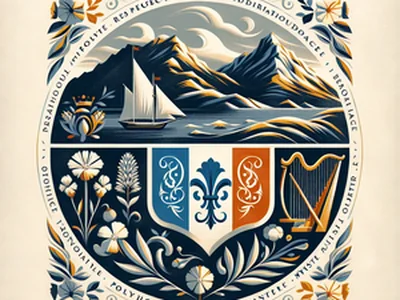
Symbols such as the Moor's Head and the Corsican flag are important cultural motifs, representing identity and resistance.
What Brings Joy
Music, family gatherings, and festivals bring joy to Corsican communities, fostering a sense of belonging and cultural pride.
Celebrations Joyful Traditions
Festivals such as 'Fiera di u Casgiu' (Cheese Fair) and 'Festa di a Nazione' (National Day) are celebrated with enthusiasm, showcasing local traditions.
Cultural Calendar And Holidays
The cultural calendar includes religious and secular holidays, with events like Easter and Christmas being significant, alongside local festivals.
Additional Notes
Corsican cultural expression is deeply tied to the island's landscape, with many traditions reflecting the natural environment and historical experiences.
Economic Context And Occupations
The Corsican economy is based on agriculture, tourism, and small-scale industries, with a growing emphasis on sustainable practices.
Housing And Living Arrangements
Housing often reflects traditional styles, with a mix of rural homes and urban apartments, influenced by Mediterranean architecture.
Nutrition And Dietary Norms
Corsican cuisine emphasizes local produce, with a diet rich in seafood, meats, and cheeses, reflecting the island's agricultural heritage.
Interpretation Needs
While French is widely spoken, there is a need for Corsican language services in cultural and educational contexts to support language preservation.
Interpreter Notes
Interpreters should be aware of regional dialects and cultural nuances when working with Corsican speakers.
Documentation Traditions
Documentation often includes both French and Corsican, reflecting the bilingual nature of the island's official communications.
Interactions With Other Cultures
Corsicans have historically interacted with French and Italian cultures, influencing language and customs.
Conflict Resolution Mechanisms
Community-based approaches and traditional mediation play roles in resolving conflicts.
Cultural Exchange Programs
Programs exist to promote cultural exchange with mainland France and other Mediterranean regions.
Trade Relations
Trade is primarily with France and Italy, focusing on agricultural products and artisanal goods.
Shared Artistic Projects
Collaborations in music and arts with other Mediterranean cultures are common.
Intercultural Marriages
Intercultural marriages are increasingly common, reflecting broader European integration.
Shared Educational Initiatives
Educational programs often include exchanges with French institutions to promote bilingualism and cultural understanding.
Youth Perspectives
Corsican youth are increasingly engaged in cultural preservation and innovation, balancing tradition with modernity.
Education Initiatives
Initiatives focus on bilingual education and cultural heritage preservation, encouraging youth participation.
Future Challenges
Challenges include economic opportunities, cultural preservation, and balancing modernization with tradition.
Youth Employment Trends
Employment trends show a shift towards tourism and technology sectors, with a focus on sustainable development.
Future Visions
Future visions emphasize sustainable development, cultural preservation, and increased autonomy.
Youth Leadership Roles
Youth are taking on leadership roles in cultural organizations and community projects.
Innovation And Startups
There is a growing trend of startups in technology and sustainable tourism, driven by young entrepreneurs.
Festivals And Celebrations
Festivals such as 'Festa di a Nazione' celebrate Corsican identity and history, featuring music, dance, and traditional foods.
Traditional Medicine Practices
Herbal remedies and traditional healing practices are still used, particularly in rural areas.
Environmental Practices
Environmental conservation is a priority, with efforts to protect natural landscapes and biodiversity.
Rituals
Rituals often blend Catholic traditions with local customs, particularly in life events like weddings and funerals.
Rites Of Passage
Rites of passage, such as coming-of-age ceremonies, are celebrated with family gatherings and community involvement.
Culinary Traditions
Corsican cuisine is known for its use of local ingredients, such as chestnuts, wild boar, and sheep's cheese.
Climate Adaptation Strategies
Strategies include sustainable agriculture and water management to address climate change impacts.
Biodiversity Conservation
Efforts focus on protecting endemic species and maintaining the island's unique ecosystems.
Sustainable Tourism Practices
Tourism initiatives emphasize eco-friendly practices and cultural heritage preservation.
Renewable Energy Use
There is a growing investment in renewable energy sources, such as solar and wind, to reduce environmental impact.
Community Involvement In Practices
Community involvement is key in environmental and cultural preservation efforts, with local organizations leading initiatives.
Environmental Education Programs
Programs aim to educate the public about sustainable practices and the importance of biodiversity.
Notable Figures
Notable figures include Pascal Paoli, a leader in Corsican independence, and Napoleon Bonaparte, born in Ajaccio.
Cultural Innovations
Innovations include the revival of traditional music and crafts, blending modern techniques with historical practices.
Literary Works
Corsican literature often explores themes of identity, resistance, and the natural landscape, with authors like Marie Ferranti gaining recognition.
Architectural Styles
Architecture reflects a blend of Genoese and French influences, with fortified towns and rural stone houses.
Scientific Contributions
Contributions in environmental science focus on biodiversity and conservation efforts unique to the island.
Culinary Innovations
Culinary innovations include modern interpretations of traditional dishes, emphasizing local and sustainable ingredients.
Global Influence
Corsican culture influences Mediterranean music and cuisine, with its distinct identity recognized internationally.
Awards And Recognition
Corsican artists and musicians have received international recognition, particularly in the fields of polyphonic music and traditional crafts.
Modern Influences
Modern influences include French and Italian cultural elements, alongside global trends in technology and media.
Digital Presence
Corsican culture is increasingly represented online, with digital platforms promoting language and traditions.
Globalization Effects
Globalization has brought both opportunities and challenges, influencing economic development and cultural preservation.
Urbanization Effects
Urbanization is leading to changes in traditional lifestyles, with a shift towards urban centers for economic opportunities.
Technology Adoption
Technology adoption is growing, particularly in education and tourism, enhancing cultural accessibility.
Hybrid Cultural Forms
Hybrid cultural forms are emerging, blending traditional Corsican elements with contemporary global influences.
Social Media Presence
Social media is used to promote Corsican culture, connect diaspora communities, and engage youth in cultural activities.
Challenges
Challenges include maintaining cultural identity in the face of modernization and external influences, as well as economic sustainability.
Preservation Efforts
Efforts focus on language preservation, cultural education, and promoting traditional crafts and music.
Cultural Artwork
Community Discussion
Further Reading
Explore credible external sources to deepen your understanding of Corsicans culture.