
Cornish
Cornwall, United Kingdom CornishEnglish
The Cornish culture is a distinct cultural identity within the United Kingdom, known for its unique language, traditions, and history rooted in the Celtic heritage of Cornwall.
Historical Context
Cornish culture has its origins in the Celtic tribes that inhabited Cornwall. Over centuries, it has been influenced by Roman, Anglo-Saxon, and Norman invasions, yet it has retained a distinct identity.
Migration Patterns
Historically, Cornish people migrated to other parts of the UK and abroad, particularly during the decline of the mining industry in the 19th century, leading to Cornish communities in places like Australia and the USA.
Conflict And Resilience History
Cornwall has experienced various conflicts, including resistance to Anglo-Saxon and Norman rule. The culture has shown resilience through the preservation of its language and traditions despite external pressures.
Diaspora Perspectives
The Cornish diaspora maintains a strong connection to their heritage, often celebrating Cornish festivals and participating in cultural organizations abroad.
Regional Variations
Within Cornwall, there are variations in dialects and traditions, particularly between the north and south coasts.
Bridging Notes
Efforts to bridge Cornish culture with broader UK culture include promoting the Cornish language in schools and media, and celebrating Cornish festivals nationally.
Spiritual And Religious Practices
Historically, Cornish people practiced Celtic paganism, which later transitioned to Christianity. Today, there is a revival of interest in Celtic spirituality alongside mainstream Christian practices.
Beliefs And Worldview
Cornish culture emphasizes community, connection to the land, and a strong sense of identity and independence. There is a deep respect for nature and heritage.
Cultural Proverbs Sayings
Common sayings include 'Kernow bys vyken' (Cornwall forever) and 'Meur ras' (thank you), reflecting the pride and gratitude inherent in Cornish culture.
Naming Conventions And Terms Of Address
Traditional Cornish names often have Celtic origins. Terms of address may include 'Teylu' for family and 'Kernowyon' for Cornish people.
Health And Mental Health
Access to healthcare in Cornwall can be challenging due to rural geography. Mental health is increasingly recognized, with community support playing a vital role.
Mental Health Views
There is a growing awareness and acceptance of mental health issues, with efforts to reduce stigma and provide support through local initiatives.
Traditional Healers
Historically, Cornwall had 'pellers' or folk healers who used herbal remedies and charms. Some traditional practices are being revived within the context of modern holistic health.
Gender Roles In Healthcare
Traditional gender roles are evolving, with both men and women actively participating in healthcare decisions and careers.
Healthcare Barriers
Barriers include geographic isolation, limited public transport, and a shortage of healthcare professionals in rural areas.
Education And Learning Styles
Education in Cornwall emphasizes local history and culture, with some schools offering Cornish language classes. Learning is often experiential, reflecting the region's natural environment.
Learning Styles
Cornish education values hands-on learning and community involvement, often incorporating local traditions and outdoor activities.
Parental Engagement
Parents in Cornwall are actively involved in their children's education, often participating in school events and community activities.
Family And Social Structure
Cornish communities are close-knit, with strong family ties and a sense of belonging. Extended family and community networks play a significant role in social life.
Discipline And Behavior
Discipline is generally approached with an emphasis on respect and community values, often involving guidance from elders and community leaders.
Authority Attitudes
There is a respect for local authority figures, such as community leaders and elders, but also a strong sense of independence and self-governance.
Etiquette And Customs
Cornish etiquette includes politeness, hospitality, and a respect for tradition. Customs often revolve around community gatherings and local festivals.
Community Strengths Resilience
Cornish communities are resilient, with a strong sense of identity and pride. They often come together to support each other in times of need, maintaining cultural traditions and language.
Art Music And Expression
Cornish culture is rich in artistic expression, with traditional music, dance, and storytelling playing central roles. The Cornish language is often used in songs and performances.
Cultural Symbols Motifs
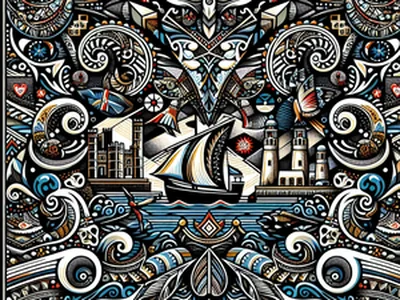
Symbols such as the Cornish flag (St Piran's Flag), the chough bird, and Celtic knots are prominent in Cornish art and identity.
What Brings Joy
Community gatherings, music festivals, and celebrating local traditions bring joy to Cornish people, fostering a sense of belonging and cultural pride.
Celebrations Joyful Traditions
Festivals like St Piran's Day and the Furry Dance are celebrated with music, dance, and community events, reflecting the joy and vibrancy of Cornish culture.
Cultural Calendar And Holidays
Key holidays include St Piran's Day, Midsummer Bonfires, and the Montol Festival, each celebrating aspects of Cornish heritage and community.
Economic Context And Occupations
Historically reliant on mining and fishing, Cornwall's economy now includes tourism, agriculture, and creative industries. Seasonal employment is common.
Housing And Living Arrangements
Housing in Cornwall ranges from rural cottages to modern developments. There is a mix of homeownership and rental, with some challenges in affordability due to tourism.
Nutrition And Dietary Norms
Cornish cuisine features local produce, with pasties, seafood, and dairy products being staples. There is a growing emphasis on sustainable and locally sourced food.
Interpretation Needs
While English is widely spoken, there is a revival of the Cornish language, with some needing interpretation services for Cornish speakers in cultural contexts.
Interpreter Notes
Interpreters should be aware of the cultural significance of the Cornish language and its role in identity and heritage.
Documentation Traditions
Cornish culture values oral traditions, but there is a growing body of written work in Cornish, including literature and educational materials.
Interactions With Other Cultures
Cornish culture interacts with other Celtic cultures, sharing linguistic and cultural exchanges with Welsh and Breton communities.
Conflict Resolution Mechanisms
Community councils and local organizations play a role in resolving conflicts, often emphasizing dialogue and consensus.
Cultural Exchange Programs
There are exchange programs with other Celtic regions to promote cultural understanding and language learning.
Trade Relations
Historically, Cornwall traded tin and copper, and today it engages in tourism and local produce trade with other regions.
Shared Artistic Projects
Collaborations with other Celtic artists and musicians are common, fostering a shared cultural heritage.
Intercultural Marriages
Intercultural marriages are common, reflecting Cornwall's openness and integration with broader UK society.
Shared Educational Initiatives
Educational initiatives often include partnerships with other Celtic regions to promote language and cultural studies.
Youth Perspectives
Cornish youth are increasingly engaged in cultural preservation, with a strong interest in learning the Cornish language and participating in traditional festivals.
Education Initiatives
Initiatives include Cornish language classes in schools and youth programs focused on cultural heritage and environmental stewardship.
Future Challenges
Challenges include economic opportunities, housing affordability, and maintaining cultural identity in a globalized world.
Youth Employment Trends
Many young people work in tourism, agriculture, and creative industries, with a growing interest in sustainable practices.
Future Visions
The vision for the future includes a vibrant Cornish culture with strong language revitalization and sustainable economic development.
Youth Leadership Roles
Youth are taking on leadership roles in cultural organizations and community projects, driving innovation and cultural preservation.
Innovation And Startups
There is a rise in startups focusing on technology, sustainable tourism, and local products, driven by young entrepreneurs.
Festivals And Celebrations
Festivals such as St Piran's Day and the Furry Dance celebrate Cornish heritage with music, dance, and community gatherings.
Traditional Medicine Practices
Traditional practices include the use of herbal remedies and folk healing, with a modern interest in holistic health approaches.
Environmental Practices
Cornish communities emphasize conservation and sustainable practices, reflecting a deep connection to the natural landscape.
Rituals
Rituals often involve seasonal celebrations and community gatherings, rooted in Celtic traditions.
Rites Of Passage
Rites of passage include traditional celebrations for births, marriages, and coming-of-age, often incorporating local customs.
Culinary Traditions
Cornish cuisine features pasties, saffron buns, and clotted cream, with an emphasis on local and seasonal ingredients.
Climate Adaptation Strategies
Strategies include coastal management and sustainable agriculture to address climate change impacts.
Biodiversity Conservation
Efforts focus on preserving local wildlife and habitats, with community involvement in conservation projects.
Sustainable Tourism Practices
Tourism initiatives promote eco-friendly practices and highlight Cornwall's natural and cultural heritage.
Renewable Energy Use
Cornwall is investing in renewable energy, including wind and solar power, to promote sustainability.
Community Involvement In Practices
Community involvement is key in environmental and cultural initiatives, fostering a sense of stewardship and pride.
Environmental Education Programs
Programs aim to educate the community about environmental conservation and sustainable living practices.
Notable Figures
Notable figures include Richard Trevithick, a pioneer of steam technology, and Daphne du Maurier, a renowned author.
Cultural Innovations
Innovations include the revival of the Cornish language and the promotion of Cornish music and dance on international stages.
Literary Works
Cornish literature includes works by authors like Winston Graham and Rosamunde Pilcher, often set in the scenic landscapes of Cornwall.
Architectural Styles
Cornish architecture features traditional stone cottages and historic mining structures, reflecting the region's history and landscape.
Scientific Contributions
Contributions include advancements in mining technology and renewable energy research.
Culinary Innovations
Cornish culinary innovations include the development of new recipes using traditional ingredients, such as artisan pasties and seafood dishes.
Global Influence
Cornish culture has influenced global perceptions of Celtic identity and contributed to the broader appreciation of regional cultures.
Awards And Recognition
Cornish cultural achievements have been recognized with awards in literature, music, and heritage conservation.
Modern Influences
Modern influences include the integration of digital technology in cultural preservation and the global promotion of Cornish heritage.
Digital Presence
Cornish culture has a growing digital presence, with online platforms promoting language learning and cultural events.
Globalization Effects
Globalization has brought both challenges and opportunities, with increased cultural exchange and the need to preserve local identity.
Urbanization Effects
Urbanization has led to changes in traditional lifestyles, with efforts to balance development and cultural preservation.
Technology Adoption
Technology is used to promote Cornish culture, including apps for language learning and virtual tours of cultural sites.
Hybrid Cultural Forms
Hybrid forms include the fusion of traditional Cornish music with contemporary genres, appealing to younger audiences.
Social Media Presence
Social media is used to connect Cornish communities globally, share cultural content, and promote events.
Challenges
Challenges include maintaining cultural identity amidst globalization, economic pressures, and language preservation.
Preservation Efforts
Efforts focus on language revitalization, cultural education, and promoting Cornish heritage through festivals and media.
Cultural Artwork
Community Discussion
Further Reading
Explore credible external sources to deepen your understanding of Cornish culture.