

Cirebonese
West Java, Indonesia CireboneseIndonesian
The Cirebonese culture is a unique blend of Javanese, Sundanese, Chinese, and Islamic influences, primarily found in the city of Cirebon and its surrounding areas in West Java, Indonesia.
Historical Context
Cirebon was historically a significant trading port, which facilitated cultural exchanges and the blending of different traditions. It was a center for the spread of Islam in Java.
Migration Patterns
The region has seen migration from various parts of Indonesia and abroad, contributing to its cultural diversity.
Conflict And Resilience History
Cirebon has experienced periods of conflict, particularly during colonial times, but has shown resilience through cultural preservation and adaptation.
Diaspora Perspectives
The Cirebonese diaspora maintains cultural ties through traditional arts and culinary practices, often participating in cultural festivals abroad.
Regional Variations
There are subtle differences in dialect and customs between coastal and inland areas of Cirebon.
Bridging Notes
Cirebonese culture acts as a bridge between Javanese and Sundanese cultures, incorporating elements from both.
Spiritual And Religious Practices
Predominantly Muslim, Cirebonese people also incorporate local traditions and beliefs, such as ancestor worship and rituals related to agriculture.
Beliefs And Worldview
The Cirebonese worldview is shaped by a blend of Islamic teachings and local wisdom, emphasizing harmony, respect for nature, and community cohesion.
Cultural Proverbs Sayings
Proverbs often reflect the importance of community, patience, and respect for elders.
Naming Conventions And Terms Of Address
Names often reflect Islamic influence, with Arabic names being common. Terms of address are respectful, often using titles like 'Bapak' (Mr.) and 'Ibu' (Mrs.).
Health And Mental Health
Traditional medicine is often used alongside modern healthcare, with a focus on herbal remedies and spiritual healing.
Mental Health Views
Mental health is sometimes stigmatized, but traditional healers play a role in addressing psychological issues.
Traditional Healers
Known as 'dukun', these healers use herbal medicine and spiritual guidance to treat ailments.
Gender Roles In Healthcare
Women often take on caregiving roles, while men may be more involved in decision-making regarding healthcare.
Healthcare Barriers
Access to healthcare can be limited in rural areas, and there may be language barriers for those who do not speak Indonesian fluently.
Education And Learning Styles
Education is highly valued, with a focus on both religious and secular studies. Learning often involves rote memorization and respect for teachers.
Learning Styles
Visual and auditory learning are common, with an emphasis on storytelling and oral traditions.
Parental Engagement
Parents are actively involved in their children's education, often participating in school activities and religious instruction.
Family And Social Structure
The family is the central unit of Cirebonese society, with extended families often living together or nearby.
Discipline And Behavior
Discipline is generally strict, with an emphasis on respect for elders and adherence to social norms.
Authority Attitudes
Respect for authority figures, such as community leaders and religious figures, is deeply ingrained.
Etiquette And Customs
Politeness and humility are highly valued, with specific customs for greetings, eating, and social interactions.
Community Strengths Resilience
Strong community bonds and a collective spirit help the Cirebonese navigate challenges and maintain cultural traditions.
Art Music And Expression
Cirebonese art is renowned for its batik, shadow puppetry (wayang), and traditional gamelan music.
Cultural Symbols Motifs
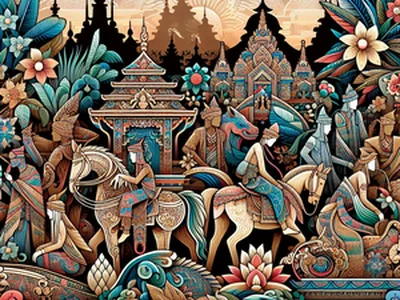
Common motifs include mythical creatures and floral patterns, often seen in batik designs.
What Brings Joy
Community gatherings, traditional music, and dance performances are sources of joy and cultural pride.
Celebrations Joyful Traditions
Cultural festivals, such as the Sekaten festival, celebrate Islamic holidays and local traditions.
Cultural Calendar And Holidays
Key holidays include Eid al-Fitr, Eid al-Adha, and local celebrations like the Nadran festival, which honors the sea's bounty.
Additional Notes
Cirebonese culture is a vibrant blend of influences, reflecting its historical role as a cultural crossroads.
Economic Context And Occupations
Agriculture, fishing, and small-scale trade are common occupations, with a growing emphasis on tourism.
Housing And Living Arrangements
Traditional houses are often made of wood and bamboo, with modern influences seen in urban areas.
Nutrition And Dietary Norms
Rice is a staple food, often accompanied by fish, vegetables, and spicy condiments.
Interpretation Needs
Interpretation may be needed for those who speak only Cirebonese, especially in healthcare and legal settings.
Interpreter Notes
Interpreters should be familiar with local dialects and cultural nuances.
Documentation Traditions
Oral traditions are strong, but written documentation is increasingly common, especially for legal and educational purposes.
Interactions With Other Cultures
Cirebonese culture has historically interacted with Chinese, Arab, and European cultures due to its role as a trading port.
Conflict Resolution Mechanisms
Traditional community meetings and religious guidance are often used to resolve conflicts.
Cultural Exchange Programs
There are initiatives to promote cultural exchange with other Indonesian regions and international communities.
Trade Relations
Historically, Cirebon was a key trading hub, and trade relations continue to influence cultural exchanges.
Shared Artistic Projects
Collaborations in batik and music with other cultures are common.
Intercultural Marriages
Intercultural marriages are accepted and contribute to the cultural diversity of the region.
Shared Educational Initiatives
Educational programs often include cultural studies to promote understanding and appreciation of diverse traditions.
Youth Perspectives
The youth are increasingly engaged in preserving cultural heritage while embracing modern influences.
Education Initiatives
Programs focus on integrating traditional knowledge with modern education to prepare youth for future challenges.
Future Challenges
Balancing cultural preservation with modernization and economic development is a key challenge.
Youth Employment Trends
There is a growing interest in entrepreneurship and technology among the youth.
Future Visions
The community envisions a future where cultural heritage is preserved alongside sustainable development.
Youth Leadership Roles
Youth are encouraged to take leadership roles in cultural and community activities.
Innovation And Startups
There is a budding startup culture, particularly in areas like tourism and digital media.
Festivals And Celebrations
Festivals like Nadran and Sekaten are celebrated with traditional music, dance, and communal feasts.
Traditional Medicine Practices
Herbal medicine and spiritual healing are integral to traditional health practices.
Environmental Practices
Community efforts focus on sustainable fishing and agriculture to preserve natural resources.
Rituals
Rituals often involve offerings to ancestors and nature spirits, reflecting a deep respect for the environment.
Rites Of Passage
Ceremonies mark key life stages, such as birth, marriage, and death, often involving community participation.
Culinary Traditions
Cirebonese cuisine is known for its use of spices and seafood, with dishes like empal gentong and nasi jamblang.
Climate Adaptation Strategies
Efforts include promoting sustainable agriculture and protecting coastal areas from erosion.
Biodiversity Conservation
Local initiatives aim to preserve mangrove forests and marine biodiversity.
Sustainable Tourism Practices
Tourism development focuses on cultural heritage and environmental sustainability.
Renewable Energy Use
There is growing interest in solar and wind energy to reduce reliance on fossil fuels.
Community Involvement In Practices
Community participation is crucial in environmental conservation and cultural preservation efforts.
Environmental Education Programs
Programs aim to educate the community about environmental conservation and sustainable practices.
Notable Figures
Sunan Gunung Jati, a key figure in the spread of Islam in Java, is a revered historical figure.
Cultural Innovations
Cirebonese batik is renowned for its unique patterns and has influenced textile design globally.
Literary Works
Traditional stories and legends are passed down orally, with some being documented in recent times.
Architectural Styles
Cirebonese architecture blends Javanese, Chinese, and Islamic influences, evident in the design of the Keraton Kasepuhan palace.
Scientific Contributions
Local knowledge in agriculture and fishing has contributed to sustainable practices.
Culinary Innovations
Cirebonese cuisine has introduced unique flavors and dishes to Indonesian culinary traditions.
Global Influence
Cirebonese culture has influenced Indonesian arts, particularly in batik and music.
Awards And Recognition
Cirebonese batik has received recognition for its cultural significance and craftsmanship.
Modern Influences
Globalization has introduced new technologies and cultural influences, leading to a blend of traditional and modern lifestyles.
Digital Presence
Cirebonese culture is increasingly represented online through social media and digital platforms.
Globalization Effects
While globalization brings economic opportunities, it also poses challenges to cultural preservation.
Urbanization Effects
Urbanization has led to changes in traditional living arrangements and social structures.
Technology Adoption
Technology is widely adopted, with increasing use of smartphones and internet access.
Hybrid Cultural Forms
There is a fusion of traditional and modern elements in music, fashion, and art.
Social Media Presence
Social media platforms are used to promote cultural events and connect with the diaspora.
Challenges
Cultural erosion due to modernization and the loss of traditional knowledge are significant challenges.
Preservation Efforts
Efforts include cultural festivals, educational programs, and government initiatives to preserve and promote Cirebonese heritage.
Cultural Artwork
Community Discussion
Further Reading
Explore credible external sources to deepen your understanding of Cirebonese culture.