

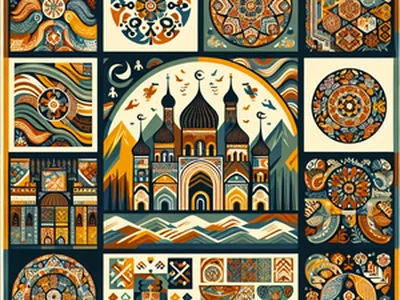
Circassians
North Caucasus AdygheKabardian
The Circassians are an ethnic group native to the Caucasus region, known for their rich cultural heritage, traditional dances, and historical resilience.
Historical Context
The Circassians have a long history in the Caucasus, with evidence of their presence dating back thousands of years. They faced significant challenges during the Russian-Circassian War in the 19th century, which led to mass displacement.
Migration Patterns
Significant migration occurred in the 19th century due to conflict, leading to large Circassian communities in Turkey, Jordan, and other parts of the Middle East.
Conflict And Resilience History
The Circassians have a history of resilience, particularly during the Russian-Circassian War, where they fought to maintain their independence and cultural identity.
Diaspora Perspectives
The Circassian diaspora maintains strong cultural ties, with efforts to preserve language and traditions in countries like Turkey and Jordan.
Regional Variations
Within the Circassian community, there are variations in dialects and traditions, particularly between the Adyghe and Kabardian groups.
Bridging Notes
Efforts are ongoing to bridge the cultural gaps between Circassians in the homeland and those in the diaspora, focusing on language preservation and cultural exchange.
Spiritual And Religious Practices
Circassians predominantly practice Islam, with a rich tradition of folk beliefs and practices that predate their conversion.
Beliefs And Worldview
Circassians value hospitality, bravery, and respect for elders, with a worldview shaped by their historical experiences and cultural narratives.
Cultural Proverbs Sayings
Proverbs often emphasize wisdom, courage, and the importance of community, such as 'A guest is a gift from God.'
Naming Conventions And Terms Of Address
Names often reflect historical and cultural significance, with respect shown through specific terms of address for elders and community leaders.
Health And Mental Health
Traditional health practices coexist with modern medicine, with a focus on natural remedies and community support.
Mental Health Views
Mental health is often approached through community and family support, with stigma around mental illness gradually decreasing.
Traditional Healers
Traditional healers, known as 'pshinal,' play a role in health practices, particularly in rural areas.
Gender Roles In Healthcare
Women often play a central role in family health care, while men may be more involved in decision-making processes.
Healthcare Barriers
Access to healthcare can be limited in rural areas, with language barriers affecting diaspora communities.
Education And Learning Styles
Education is highly valued, with a focus on both formal education and the transmission of cultural knowledge.
Learning Styles
Learning often involves storytelling and oral traditions, alongside formal educational methods.
Parental Engagement
Parents are actively involved in their children's education, emphasizing the importance of cultural and academic learning.
Family And Social Structure
Family is the cornerstone of Circassian society, with extended families often living together or maintaining close ties.
Discipline And Behavior
Discipline is typically enforced through community norms and the guidance of elders, emphasizing respect and responsibility.
Authority Attitudes
Respect for elders and community leaders is paramount, with decisions often made collectively.
Etiquette And Customs
Circassians have a rich tradition of hospitality and etiquette, with specific customs for greeting, hosting, and social interactions.
Community Strengths Resilience
The community is known for its resilience, maintaining cultural practices and unity despite historical challenges.
Art Music And Expression
Circassian culture is rich in music and dance, with traditional instruments like the 'shichepshin' and dances that tell historical stories.
Cultural Symbols Motifs
Symbols such as the Circassian star and traditional patterns are prevalent in art and clothing.
What Brings Joy
Community gatherings, music, dance, and storytelling are central to Circassian joy and cultural expression.
Celebrations Joyful Traditions
Celebrations often include traditional dances, music, and feasts, with significant events like weddings being major cultural highlights.
Cultural Calendar And Holidays
Circassians celebrate both Islamic holidays and traditional cultural festivals, maintaining a calendar that reflects their dual heritage.
Additional Notes
Circassian culture is characterized by a strong sense of identity and pride, with ongoing efforts to preserve and promote their heritage.
Economic Context And Occupations
Traditionally, Circassians engaged in agriculture and trade, with modern occupations varying widely across the diaspora.
Housing And Living Arrangements
Housing often reflects traditional styles, with a preference for family-oriented living arrangements.
Nutrition And Dietary Norms
Circassian cuisine includes dishes like 'haliva' and 'pshata,' with a focus on natural and locally sourced ingredients.
Interpretation Needs
In diaspora communities, there may be a need for interpretation services, particularly for older generations.
Interpreter Notes
Interpreters should be aware of cultural nuances and the importance of respectful communication.
Documentation Traditions
Oral traditions are strong, with a growing emphasis on documenting language and culture in written form.
Interactions With Other Cultures
Circassians have historically interacted with neighboring Caucasian cultures and have integrated into societies in the Middle East.
Conflict Resolution Mechanisms
Traditional conflict resolution involves mediation by elders and community leaders.
Cultural Exchange Programs
Programs exist to promote cultural exchange between Circassians in the diaspora and those in the Caucasus.
Trade Relations
Historically, Circassians engaged in trade with neighboring regions, a practice that continues in various forms today.
Shared Artistic Projects
Collaborations in music and dance are common, reflecting shared cultural heritage with other Caucasian groups.
Intercultural Marriages
Intercultural marriages are common in the diaspora, often leading to a blending of traditions.
Shared Educational Initiatives
Educational initiatives focus on language preservation and cultural education, often involving collaboration with other ethnic groups.
Youth Perspectives
Circassian youth are increasingly engaged in cultural preservation and modernization efforts, balancing tradition with contemporary life.
Education Initiatives
Initiatives focus on teaching the Circassian language and history, both in the homeland and diaspora.
Future Challenges
Challenges include cultural preservation, language retention, and economic opportunities in a globalized world.
Youth Employment Trends
Youth are increasingly pursuing careers in technology and international business, reflecting global trends.
Future Visions
Circassians envision a future where their culture is preserved and celebrated globally, with strong ties between the diaspora and homeland.
Youth Leadership Roles
Youth are taking on leadership roles in cultural organizations and community initiatives, driving change and innovation.
Innovation And Startups
There is a growing interest in entrepreneurship, with startups focusing on cultural products and digital platforms.
Festivals And Celebrations
Festivals often include traditional dances, music, and communal feasts, celebrating both cultural and religious events.
Traditional Medicine Practices
Herbal remedies and traditional healing practices are still used, particularly in rural areas.
Environmental Practices
Circassians have a strong tradition of living in harmony with nature, reflected in sustainable agricultural practices.
Rituals
Rituals often mark life events such as births, marriages, and deaths, with specific customs and ceremonies.
Rites Of Passage
Rites of passage, such as coming-of-age ceremonies, are important cultural markers.
Culinary Traditions
Circassian cuisine includes dishes like 'pshata' and 'haliva,' with a focus on natural ingredients and traditional preparation methods.
Climate Adaptation Strategies
Adaptation strategies include traditional agricultural practices that are resilient to climate variations.
Biodiversity Conservation
Efforts are made to conserve the rich biodiversity of the Caucasus region, often involving community-led initiatives.
Sustainable Tourism Practices
Tourism initiatives focus on cultural heritage and environmental sustainability, promoting eco-friendly practices.
Renewable Energy Use
There is growing interest in renewable energy, particularly in the diaspora, as part of broader sustainability efforts.
Community Involvement In Practices
Community involvement is central to environmental and cultural practices, with collective decision-making and participation.
Environmental Education Programs
Programs aim to educate both youth and adults about environmental conservation and sustainable practices.
Notable Figures
Notable Circassians include historical leaders like Imam Shamil and modern figures in arts and politics.
Cultural Innovations
Innovations include unique dance styles and musical compositions that have influenced broader cultural trends.
Literary Works
Circassian literature includes both oral traditions and modern writings that reflect cultural narratives and history.
Architectural Styles
Traditional Circassian architecture features distinctive wooden structures and intricate designs.
Scientific Contributions
Circassians have contributed to various scientific fields, particularly in the diaspora where education is highly valued.
Culinary Innovations
Circassian cuisine has influenced regional culinary practices, particularly in the Middle East.
Global Influence
Circassian culture has a global influence, particularly through its diaspora, which promotes cultural awareness and preservation.
Awards And Recognition
Circassians have received recognition in various fields, including arts, sports, and academia, highlighting their diverse talents.
Modern Influences
Circassian culture is influenced by global trends, with adaptations in music, fashion, and technology.
Digital Presence
There is a growing digital presence, with online platforms promoting Circassian culture and language.
Globalization Effects
Globalization has led to increased cultural exchange and challenges in maintaining traditional practices.
Urbanization Effects
Urbanization has affected traditional lifestyles, with many Circassians adapting to city life while maintaining cultural ties.
Technology Adoption
Technology is widely adopted, with a focus on using digital tools to preserve and promote cultural heritage.
Hybrid Cultural Forms
Hybrid cultural forms emerge as Circassians blend traditional and modern influences in arts and daily life.
Social Media Presence
Social media is used to connect Circassians globally, share cultural content, and organize community events.
Challenges
Challenges include cultural assimilation, language loss, and maintaining cultural identity in a globalized world.
Preservation Efforts
Efforts focus on language preservation, cultural education, and promoting Circassian heritage through various initiatives.
Cultural Artwork
Community Discussion
Further Reading
Explore credible external sources to deepen your understanding of Circassians culture.