
Chinese
East Asia MandarinCantoneseShanghaineseHokkien
Chinese culture is one of the world's oldest and most complex, with a rich history of traditions, philosophies, and innovations.
Historical Context
Chinese history dates back over 5,000 years, marked by the rise and fall of dynasties, the development of a centralized bureaucratic state, and significant contributions to art, science, and philosophy.
Migration Patterns
Historically, Chinese migration has been influenced by trade, exploration, and economic opportunities, leading to significant Chinese communities in Southeast Asia, North America, and Europe.
Conflict And Resilience History
China has faced numerous conflicts, including invasions, civil wars, and colonial pressures, but has shown resilience through cultural preservation and adaptation.
Diaspora Perspectives
The Chinese diaspora maintains strong cultural ties to their heritage while integrating into diverse global communities, contributing to multicultural exchanges.
Regional Variations
China's vast geography results in diverse cultural practices and dialects, with distinct regional identities in areas like Guangdong, Sichuan, and Xinjiang.
Bridging Notes
Understanding Chinese culture requires recognizing the balance between traditional values and modern influences, as well as the diversity within its regional and diasporic expressions.
Spiritual And Religious Practices
Chinese spiritual practices include Confucian rituals, Taoist ceremonies, and Buddhist meditation, often blended with folk traditions and ancestor worship.
Beliefs And Worldview
Chinese worldview emphasizes harmony, balance, and respect for hierarchy, influenced by Confucian ethics and Taoist naturalism.
Cultural Proverbs Sayings
Proverbs such as 'A journey of a thousand miles begins with a single step' reflect the value placed on perseverance and foresight.
Naming Conventions And Terms Of Address
Chinese names typically consist of a family name followed by a given name, with terms of address reflecting respect and social hierarchy.
Health And Mental Health
Traditional Chinese Medicine (TCM) plays a significant role in health practices, focusing on balance and holistic well-being.
Mental Health Views
Mental health is often approached with discretion, with increasing awareness and acceptance of modern psychological practices.
Traditional Healers
Practitioners of TCM, such as herbalists and acupuncturists, are respected for their knowledge of ancient healing techniques.
Gender Roles In Healthcare
Gender roles can influence healthcare decisions, with family often playing a significant role in health-related matters.
Healthcare Barriers
Language barriers, cultural differences, and access to services can pose challenges for Chinese individuals in accessing healthcare.
Education And Learning Styles
Education is highly valued, with a strong emphasis on academic achievement and respect for teachers.
Learning Styles
Chinese learning styles often emphasize memorization, discipline, and respect for authority, with a growing focus on creativity and critical thinking.
Parental Engagement
Parents are deeply involved in their children's education, often investing in extracurricular activities and tutoring.
Family And Social Structure
The family is the cornerstone of Chinese society, with a strong emphasis on filial piety and collective well-being.
Discipline And Behavior
Discipline is often maintained through a combination of respect for elders and adherence to social norms.
Authority Attitudes
Authority is generally respected, with a hierarchical structure in both family and social settings.
Etiquette And Customs
Etiquette is important, with customs such as gift-giving, dining manners, and respectful greetings being integral to social interactions.
Community Strengths Resilience
Chinese communities are known for their resilience, strong family networks, and ability to adapt to changing circumstances.
Art Music And Expression
Chinese art and music are rich and varied, from traditional ink painting and calligraphy to modern cinema and pop music.
Cultural Symbols Motifs
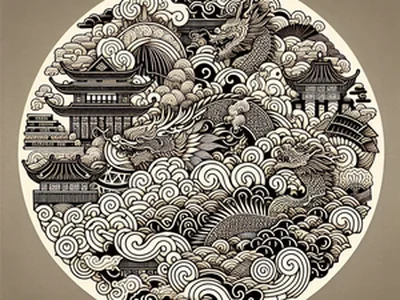
Symbols like the dragon, phoenix, and yin-yang are prevalent, representing power, harmony, and balance.
What Brings Joy
Family gatherings, festivals, and culinary experiences are sources of joy and cultural pride.
Celebrations Joyful Traditions
Festivals such as Chinese New Year and Mid-Autumn Festival are celebrated with family reunions, feasts, and traditional performances.
Cultural Calendar And Holidays
The Chinese lunar calendar dictates many traditional holidays, with significant events like the Spring Festival and Lantern Festival.
Additional Notes
Chinese culture is continuously evolving, blending ancient traditions with modern influences to create a dynamic cultural landscape.
Economic Context And Occupations
China's economy is diverse, with significant contributions from manufacturing, technology, and agriculture.
Housing And Living Arrangements
Urbanization has led to varied living arrangements, from traditional courtyard homes to modern high-rise apartments.
Nutrition And Dietary Norms
Chinese cuisine is diverse, with a focus on balance and variety, incorporating grains, vegetables, and proteins.
Interpretation Needs
Mandarin is the official language, but regional dialects may require interpretation services in diverse communities.
Interpreter Notes
Interpreters should be aware of cultural nuances and regional dialects to effectively communicate.
Documentation Traditions
Documentation often follows formal and hierarchical structures, with importance placed on official seals and signatures.
Interactions With Other Cultures
China has a long history of cultural exchange through trade, diplomacy, and migration.
Conflict Resolution Mechanisms
Traditional conflict resolution often involves mediation and negotiation, emphasizing harmony and face-saving.
Cultural Exchange Programs
China participates in numerous cultural exchange programs to promote mutual understanding and cooperation.
Trade Relations
China is a major global trade partner, engaging in extensive economic exchanges with countries worldwide.
Shared Artistic Projects
Collaborations in film, music, and art are common, reflecting a blend of Chinese and global influences.
Intercultural Marriages
Intercultural marriages are increasingly common, contributing to cultural diversity and exchange.
Shared Educational Initiatives
China engages in educational partnerships, offering scholarships and exchange programs to foster international collaboration.
Youth Perspectives
Chinese youth are increasingly globalized, balancing traditional values with modern aspirations.
Education Initiatives
Government and private initiatives focus on STEM education, innovation, and international collaboration.
Future Challenges
Challenges include balancing economic growth with environmental sustainability and addressing social inequalities.
Youth Employment Trends
Youth employment is shifting towards technology, entrepreneurship, and creative industries.
Future Visions
China envisions a future of technological innovation, cultural renaissance, and global leadership.
Youth Leadership Roles
Youth are encouraged to take leadership roles in community development and innovation.
Innovation And Startups
China's startup ecosystem is thriving, with significant investment in technology and innovation.
Festivals And Celebrations
Festivals such as the Dragon Boat Festival and Qingming Festival celebrate cultural heritage and community.
Traditional Medicine Practices
Traditional Chinese Medicine emphasizes balance and natural remedies, including acupuncture and herbal treatments.
Environmental Practices
China is investing in green technologies and sustainable practices to address environmental challenges.
Rituals
Rituals such as ancestor worship and temple offerings are integral to spiritual life.
Rites Of Passage
Rites of passage include ceremonies for coming of age, marriage, and funerals, reflecting cultural values.
Culinary Traditions
Chinese cuisine is diverse, with regional specialties and a focus on flavor balance and presentation.
Climate Adaptation Strategies
Efforts include urban planning for climate resilience and investment in renewable energy.
Biodiversity Conservation
China is actively working on biodiversity conservation through protected areas and wildlife protection laws.
Sustainable Tourism Practices
Sustainable tourism initiatives aim to preserve cultural heritage while promoting economic development.
Renewable Energy Use
China is a global leader in renewable energy, investing heavily in solar and wind power.
Community Involvement In Practices
Community involvement is encouraged in environmental conservation and cultural preservation efforts.
Environmental Education Programs
Programs focus on raising awareness about environmental issues and promoting sustainable practices.
Notable Figures
Figures such as Confucius, Sun Tzu, and modern leaders like Xi Jinping have shaped Chinese and global history.
Cultural Innovations
Innovations include paper, gunpowder, and the compass, which have had a profound impact on global development.
Literary Works
Classics like 'The Art of War' and 'Journey to the West' are central to Chinese literary heritage.
Architectural Styles
Chinese architecture is known for its pagodas, temples, and the Great Wall, reflecting historical and cultural significance.
Scientific Contributions
China has made significant contributions to science, including advancements in astronomy, medicine, and technology.
Culinary Innovations
Chinese cuisine has introduced techniques like stir-frying and ingredients like tofu to the world.
Global Influence
China's cultural influence is evident in global cuisine, fashion, and entertainment, with a growing presence in international affairs.
Awards And Recognition
Chinese individuals and organizations have received global recognition in fields like literature, science, and peace.
Modern Influences
Modern influences include Western technology, fashion, and media, blending with traditional Chinese elements.
Digital Presence
China has a significant digital presence, with platforms like WeChat and Alibaba shaping online interactions.
Globalization Effects
Globalization has led to increased cultural exchange and economic integration, influencing Chinese society.
Urbanization Effects
Rapid urbanization has transformed Chinese cities, impacting lifestyle, culture, and the environment.
Technology Adoption
China is at the forefront of technology adoption, with advancements in AI, e-commerce, and telecommunications.
Hybrid Cultural Forms
Hybrid cultural forms emerge as traditional Chinese elements blend with global influences in art, music, and fashion.
Social Media Presence
Social media platforms play a crucial role in cultural expression and communication, with widespread use across demographics.
Challenges
Challenges include preserving cultural heritage amidst rapid modernization and addressing social and economic disparities.
Preservation Efforts
Efforts focus on protecting intangible cultural heritage, supporting traditional arts, and promoting cultural education.
Cultural Artwork
Community Discussion
Further Reading
Explore credible external sources to deepen your understanding of Chinese culture.