

Cambodian
Southeast Asia Khmer
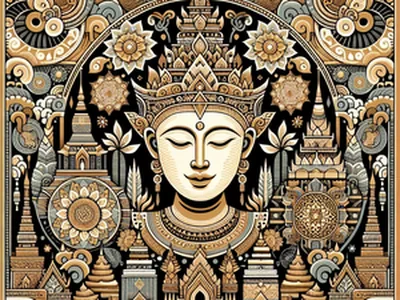
Cambodian culture is deeply rooted in its history, traditions, and the influence of Buddhism. It is characterized by its rich artistic heritage, traditional music, dance, and a strong sense of community.
Historical Context
Cambodia has a rich history dating back to the Khmer Empire, which was a powerful Hindu-Buddhist empire in Southeast Asia. The country has experienced periods of prosperity and turmoil, including the devastating Khmer Rouge regime.
Migration Patterns
Cambodian migration has been influenced by conflict, economic opportunities, and educational pursuits, with significant diaspora communities in the United States, France, and Australia.
Conflict And Resilience History
The Cambodian people have shown resilience in the face of conflict, particularly during the Khmer Rouge era, which resulted in significant loss of life and cultural heritage.
Diaspora Perspectives
The Cambodian diaspora maintains strong cultural ties to their homeland, often participating in cultural festivals and supporting development projects in Cambodia.
Regional Variations
Cultural practices can vary between urban and rural areas, with rural communities often maintaining more traditional lifestyles.
Bridging Notes
Efforts to bridge cultural gaps focus on education, cultural exchange programs, and the preservation of traditional arts and crafts.
Spiritual And Religious Practices
Buddhism is the dominant religion in Cambodia, influencing daily life, rituals, and festivals. Many Cambodians also incorporate animist practices and ancestor worship.
Beliefs And Worldview
Cambodians generally hold a worldview that emphasizes harmony, respect for elders, and the importance of family and community. Karma and reincarnation are significant concepts in their belief system.
Cultural Proverbs Sayings
Proverbs such as 'A tree is known by its fruit' reflect the importance of actions and character in Cambodian culture.
Naming Conventions And Terms Of Address
Cambodians typically use the family name first, followed by the given name. Respectful terms of address are important, especially for elders and authority figures.
Health And Mental Health
Traditional medicine, including herbal remedies and spiritual healing, is commonly used alongside modern healthcare. Mental health is often stigmatized, but awareness is growing.
Mental Health Views
Mental health issues are often viewed through a spiritual lens, with traditional healers playing a role in treatment.
Traditional Healers
Traditional healers, known as 'kru khmer', are respected figures who use herbal medicine and spiritual practices to treat ailments.
Gender Roles In Healthcare
Women often play a central role in family healthcare decisions, though access to healthcare can be limited by socioeconomic factors.
Healthcare Barriers
Barriers include limited access to healthcare facilities, financial constraints, and cultural beliefs about illness and treatment.
Education And Learning Styles
Education in Cambodia emphasizes rote learning and respect for teachers. There is a strong focus on literacy and numeracy skills.
Learning Styles
Cambodian students often learn through memorization and repetition, with a growing emphasis on critical thinking and problem-solving skills.
Parental Engagement
Parents are highly involved in their children's education, often prioritizing it despite economic challenges.
Family And Social Structure
The family is the central unit of Cambodian society, with extended families often living together. Respect for elders and communal living are key aspects.
Discipline And Behavior
Discipline is typically enforced through respect for authority and community norms, with an emphasis on maintaining family honor.
Authority Attitudes
Authority figures, such as elders and teachers, are highly respected, and their guidance is often sought in decision-making.
Etiquette And Customs
Cambodian etiquette includes greeting with a 'sampeah' (a gesture similar to a prayer position), removing shoes before entering homes, and showing respect to elders.
Community Strengths Resilience
Community resilience is demonstrated through strong social networks, mutual support systems, and cultural traditions that reinforce social cohesion.
Art Music And Expression
Cambodian art and music are rich with traditional forms such as Apsara dance, shadow puppetry, and classical music using instruments like the roneat and tro.
Cultural Symbols Motifs
The Angkor Wat temple is a national symbol, and motifs like the naga (serpent) and apsara (celestial dancer) are prevalent in art and architecture.
What Brings Joy
Community gatherings, traditional music and dance, and religious festivals bring joy and a sense of belonging to Cambodians.
Celebrations Joyful Traditions
Major celebrations include Khmer New Year, Pchum Ben (Ancestor's Day), and the Water Festival, which are marked by communal activities and rituals.
Cultural Calendar And Holidays
The Cambodian calendar includes numerous Buddhist holidays and cultural festivals, reflecting the country's religious and cultural diversity.
Additional Notes
Cambodian culture is vibrant and resilient, with a strong emphasis on preserving traditional arts and crafts amidst modern influences.
Economic Context And Occupations
Cambodia's economy is largely based on agriculture, garment manufacturing, and tourism. Many Cambodians work in these sectors, with a growing emphasis on service industries.
Housing And Living Arrangements
Housing varies from traditional stilt houses in rural areas to modern apartments in urban centers. Extended families often live together, sharing resources.
Nutrition And Dietary Norms
Cambodian cuisine is characterized by rice, fish, and fresh vegetables, with a balance of flavors achieved through the use of herbs and spices like lemongrass and kaffir lime.
Interpretation Needs
Interpretation services are often needed for Khmer speakers in international settings, especially in legal, medical, and educational contexts.
Interpreter Notes
Interpreters should be aware of cultural nuances and the importance of maintaining respect and formality in communication.
Documentation Traditions
Documentation in Cambodia often involves formal written records, with an increasing use of digital formats in urban areas.
Interactions With Other Cultures
Cambodia has a history of cultural exchange with neighboring countries, influencing and being influenced by Thai, Vietnamese, and Lao cultures.
Conflict Resolution Mechanisms
Traditional conflict resolution often involves community elders and Buddhist monks, emphasizing reconciliation and harmony.
Cultural Exchange Programs
Cultural exchange programs with countries like Japan and France promote mutual understanding and collaboration in arts and education.
Trade Relations
Cambodia engages in trade with regional and global partners, with key exports including garments, rice, and rubber.
Shared Artistic Projects
Collaborations in film, music, and visual arts with international artists highlight Cambodia's rich cultural heritage.
Intercultural Marriages
Intercultural marriages are becoming more common, particularly in urban areas, reflecting increased globalization and cultural exchange.
Shared Educational Initiatives
Educational partnerships with international institutions focus on capacity building and cultural exchange.
Youth Perspectives
Cambodian youth are increasingly engaged in social issues, technology, and entrepreneurship, seeking to balance tradition with modernity.
Education Initiatives
Programs aimed at improving access to education and vocational training are vital for empowering Cambodian youth.
Future Challenges
Challenges include economic development, environmental sustainability, and preserving cultural heritage amidst modernization.
Youth Employment Trends
Youth employment is concentrated in service industries, technology, and creative sectors, with a focus on innovation and entrepreneurship.
Future Visions
The future vision for Cambodia includes sustainable development, cultural preservation, and increased global integration.
Youth Leadership Roles
Young Cambodians are taking on leadership roles in community development, social enterprises, and environmental advocacy.
Innovation And Startups
The startup ecosystem is growing, with young entrepreneurs driving innovation in technology, agriculture, and creative industries.
Festivals And Celebrations
Festivals such as Khmer New Year and the Water Festival are celebrated with traditional music, dance, and communal activities.
Traditional Medicine Practices
Traditional medicine involves herbal remedies, spiritual healing, and the use of natural resources for health and wellness.
Environmental Practices
Environmental practices include sustainable agriculture, community-based conservation, and efforts to protect natural resources.
Rituals
Rituals often involve offerings to ancestors, Buddhist ceremonies, and community gatherings to mark significant life events.
Rites Of Passage
Rites of passage include ceremonies for birth, coming of age, marriage, and death, often involving community participation and religious rituals.
Culinary Traditions
Cambodian cuisine features dishes like amok (coconut curry), prahok (fermented fish paste), and fresh salads, emphasizing balance and flavor.
Climate Adaptation Strategies
Strategies include community-based water management, sustainable farming practices, and reforestation efforts.
Biodiversity Conservation
Conservation efforts focus on protecting Cambodia's rich biodiversity, including endangered species and natural habitats.
Sustainable Tourism Practices
Sustainable tourism initiatives aim to preserve cultural heritage and natural landscapes while benefiting local communities.
Renewable Energy Use
Renewable energy projects, such as solar and hydropower, are being developed to meet growing energy needs sustainably.
Community Involvement In Practices
Communities are actively involved in conservation, cultural preservation, and sustainable development initiatives.
Environmental Education Programs
Programs aim to raise awareness about environmental issues and promote sustainable practices among youth and communities.
Notable Figures
Notable figures include King Jayavarman VII, who expanded the Khmer Empire, and Norodom Sihanouk, a key figure in modern Cambodian history.
Cultural Innovations
Innovations include the development of classical dance forms, unique architectural styles, and traditional music.
Literary Works
Cambodian literature includes classical texts, modern poetry, and contemporary novels reflecting the country's history and culture.
Architectural Styles
Cambodian architecture is renowned for its temple complexes, such as Angkor Wat, characterized by intricate carvings and symbolic motifs.
Scientific Contributions
Scientific contributions are emerging in fields like agriculture, environmental science, and technology, often focusing on sustainable development.
Culinary Innovations
Culinary innovations involve the fusion of traditional flavors with modern techniques, highlighting Cambodia's rich culinary heritage.
Global Influence
Cambodian culture influences global art, cuisine, and fashion, with increasing recognition of its unique heritage.
Awards And Recognition
Cambodian artists and cultural figures have received international recognition, including awards for film, music, and literature.
Modern Influences
Modern influences include globalization, digital technology, and increased cultural exchange, impacting lifestyle and cultural practices.
Digital Presence
Cambodia's digital presence is growing, with increased internet access and social media usage among the youth.
Globalization Effects
Globalization has led to cultural exchange, economic development, and challenges in preserving traditional practices.
Urbanization Effects
Urbanization is transforming lifestyles, with increased access to education, healthcare, and employment opportunities in cities.
Technology Adoption
Technology adoption is widespread, with mobile phones and internet access driving social and economic change.
Hybrid Cultural Forms
Hybrid cultural forms are emerging, blending traditional and modern elements in art, music, and fashion.
Social Media Presence
Social media is a key platform for cultural expression, activism, and connecting with the global community.
Challenges
Challenges include preserving cultural heritage, addressing economic disparities, and managing environmental sustainability.
Preservation Efforts
Preservation efforts focus on safeguarding traditional arts, languages, and historical sites, often supported by government and international organizations.
Cultural Artwork
Community Discussion
Further Reading
Explore credible external sources to deepen your understanding of Cambodian culture.