

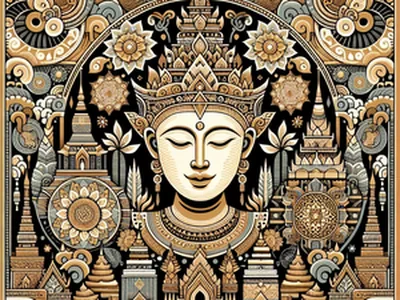
Burmese
Southeast Asia Burmese
The Burmese culture is rich in traditions and deeply influenced by Buddhism, with a strong emphasis on community and family values.
Historical Context
Burmese history is marked by the rise and fall of several kingdoms, including the Pagan, Ava, and Konbaung dynasties. The country was colonized by the British in the 19th century and gained independence in 1948.
Migration Patterns
There have been significant migrations within Myanmar due to ethnic conflicts and economic opportunities, as well as emigration to neighboring countries and beyond.
Conflict And Resilience History
Myanmar has experienced ethnic conflicts and political unrest, but the resilience of its people is evident in their strong community ties and cultural preservation efforts.
Diaspora Perspectives
The Burmese diaspora maintains strong connections to their homeland through cultural festivals and community organizations, often advocating for political and social change in Myanmar.
Regional Variations
Cultural practices vary significantly among the different ethnic groups, such as the Shan, Karen, and Mon, each with their own languages and traditions.
Bridging Notes
Efforts to bridge cultural differences within Myanmar focus on promoting understanding and cooperation among its diverse ethnic groups.
Spiritual And Religious Practices
Buddhism is the predominant religion, with many Burmese participating in rituals such as offering alms to monks and celebrating Buddhist festivals.
Beliefs And Worldview
The Burmese worldview is deeply influenced by Buddhist teachings, emphasizing karma, compassion, and mindfulness.
Cultural Proverbs Sayings
Proverbs such as 'Patience leads to success' reflect the cultural value placed on perseverance and resilience.
Naming Conventions And Terms Of Address
Names often include references to auspicious days and astrological signs, with respectful terms of address used for elders and authority figures.
Health And Mental Health
Traditional medicine, including herbal remedies and spiritual healing, is commonly used alongside modern healthcare practices.
Mental Health Views
Mental health is often viewed through a spiritual lens, with meditation and religious practices used as coping mechanisms.
Traditional Healers
Traditional healers, known as 'sayas', play a significant role in community health, offering herbal treatments and spiritual guidance.
Gender Roles In Healthcare
Women are often primary caregivers, while men may have more access to formal healthcare services.
Healthcare Barriers
Barriers include limited access to healthcare facilities in rural areas and cultural stigmas surrounding certain health conditions.
Education And Learning Styles
Education is highly valued, with a focus on rote learning and memorization in schools, influenced by Buddhist monastic education.
Learning Styles
Visual and auditory learning are common, with an emphasis on respect for teachers and elders.
Parental Engagement
Parents are actively involved in their children's education, often prioritizing academic success and moral development.
Family And Social Structure
The family is the central social unit, with extended families often living together and elders respected as decision-makers.
Discipline And Behavior
Discipline is typically gentle, with an emphasis on teaching respect and social harmony.
Authority Attitudes
Respect for authority figures, including elders and religious leaders, is deeply ingrained in Burmese culture.
Etiquette And Customs
Customs include removing shoes before entering homes and religious sites, and using the right hand for giving and receiving items.
Community Strengths Resilience
Strong community networks provide support during times of need, fostering resilience through shared cultural practices and mutual aid.
Art Music And Expression
Traditional arts include puppetry, classical dance, and music featuring instruments like the saung (harp) and hsaing waing (orchestra).
Cultural Symbols Motifs
Symbols such as the lotus flower and the peacock are prominent in Burmese art and represent purity and beauty.
What Brings Joy
Community gatherings, religious festivals, and family celebrations are sources of joy and cultural pride.
Celebrations Joyful Traditions
Festivals like Thingyan (Water Festival) and Thadingyut (Festival of Lights) are celebrated with enthusiasm and community participation.
Cultural Calendar And Holidays
The Burmese calendar includes numerous Buddhist holidays and traditional festivals, often marked by public celebrations and religious ceremonies.
Additional Notes
Burmese culture places a strong emphasis on hospitality and generosity, with guests often treated with great respect and kindness.
Economic Context And Occupations
Agriculture is a major occupation, with rice being the staple crop. Urban areas see more diverse employment opportunities in trade and services.
Housing And Living Arrangements
Housing varies from traditional bamboo and thatch homes in rural areas to modern apartments in cities, often accommodating extended families.
Nutrition And Dietary Norms
The Burmese diet is rice-based, with curries, soups, and salads featuring prominently, often seasoned with fish sauce and fermented products.
Interpretation Needs
Interpretation services are often needed for ethnic minority languages, especially in healthcare and legal settings.
Interpreter Notes
Interpreters should be aware of cultural nuances and respectful communication styles when working with Burmese speakers.
Documentation Traditions
Oral traditions are strong, with storytelling and oral history playing key roles in cultural transmission.
Interactions With Other Cultures
Burmese culture has been influenced by neighboring cultures through trade and historical interactions.
Conflict Resolution Mechanisms
Traditional conflict resolution often involves community elders and religious leaders mediating disputes.
Cultural Exchange Programs
Cultural exchange programs with neighboring countries promote mutual understanding and appreciation.
Trade Relations
Historically, Myanmar has engaged in trade with India, China, and Southeast Asian countries.
Shared Artistic Projects
Collaborations in arts and crafts with neighboring cultures are common, reflecting shared heritage.
Intercultural Marriages
Intercultural marriages occur, particularly in border regions, fostering cultural exchange and integration.
Shared Educational Initiatives
Educational initiatives often involve collaborations with international organizations to improve access and quality.
Youth Perspectives
Burmese youth are increasingly engaged in social and political issues, advocating for change and modernization.
Education Initiatives
Efforts focus on improving educational access and quality, particularly in rural and underserved areas.
Future Challenges
Challenges include economic development, political stability, and preserving cultural heritage amid globalization.
Youth Employment Trends
Youth employment is growing in sectors like technology and services, with entrepreneurship on the rise.
Future Visions
The vision for the future includes a more equitable society with opportunities for all ethnic groups.
Youth Leadership Roles
Youth are taking on leadership roles in community organizations and social movements.
Innovation And Startups
There is a burgeoning startup scene, particularly in urban areas, focusing on technology and social enterprises.
Festivals And Celebrations
Festivals such as Thingyan and Thadingyut are celebrated with water splashing, music, and communal meals.
Traditional Medicine Practices
Herbal medicine and spiritual healing are integral to traditional Burmese healthcare.
Environmental Practices
Traditional practices emphasize living in harmony with nature, with community efforts to protect local ecosystems.
Rituals
Rituals often involve offerings to spirits and ancestors, seeking blessings and protection.
Rites Of Passage
Rites such as shinbyu (novitiation ceremony) mark important life transitions, particularly for boys entering monkhood.
Culinary Traditions
Burmese cuisine is known for its diverse flavors, incorporating influences from India, China, and Thailand.
Climate Adaptation Strategies
Communities are adapting to climate change through traditional knowledge and modern techniques.
Biodiversity Conservation
Efforts are underway to conserve Myanmar's rich biodiversity, including its forests and wildlife.
Sustainable Tourism Practices
Sustainable tourism initiatives aim to preserve cultural heritage while promoting economic development.
Renewable Energy Use
There is growing interest in renewable energy sources, such as solar and wind, to meet energy needs.
Community Involvement In Practices
Community involvement is crucial in environmental conservation and cultural preservation efforts.
Environmental Education Programs
Programs focus on educating youth about environmental stewardship and sustainable practices.
Notable Figures
Figures such as Aung San Suu Kyi and U Thant have made significant contributions to politics and international diplomacy.
Cultural Innovations
Innovations in traditional arts and crafts continue to evolve, blending modern techniques with ancient traditions.
Literary Works
Burmese literature includes classical poetry and modern novels, often reflecting social and political themes.
Architectural Styles
Burmese architecture is renowned for its pagodas and temples, with intricate carvings and gilded surfaces.
Scientific Contributions
Contributions in fields like agriculture and medicine are notable, with traditional knowledge informing modern practices.
Culinary Innovations
Burmese cuisine is gaining international recognition, with dishes like mohinga and laphet thoke becoming popular globally.
Global Influence
Burmese culture influences global art, cuisine, and spirituality, particularly through the spread of Buddhism.
Awards And Recognition
Burmese artists and writers have received international awards, highlighting the country's rich cultural heritage.
Modern Influences
Globalization and technology are influencing Burmese culture, leading to a blend of traditional and modern practices.
Digital Presence
The digital presence is growing, with increased internet access and social media use among the youth.
Globalization Effects
Globalization has brought both opportunities and challenges, impacting cultural practices and economic development.
Urbanization Effects
Urbanization is leading to changes in lifestyle and social structures, with more people moving to cities for work.
Technology Adoption
Technology adoption is increasing, with mobile phones and internet access becoming more widespread.
Hybrid Cultural Forms
Hybrid cultural forms are emerging, blending traditional Burmese elements with global influences.
Social Media Presence
Social media is a powerful tool for cultural expression and activism, particularly among the younger generation.
Challenges
Challenges include preserving cultural heritage amid modernization and addressing ethnic tensions.
Preservation Efforts
Efforts are underway to document and preserve traditional practices, languages, and arts.
Cultural Artwork
Community Discussion
Further Reading
Explore credible external sources to deepen your understanding of Burmese culture.