
Bahamas
Caribbean EnglishBahamian Creole
The Bahamas is a Caribbean archipelago known for its turquoise waters, white sandy beaches, and vibrant culture.
Historical Context
The Bahamas has a complex history, with various cultures influencing its development. The Lucayan people were the first inhabitants, followed by Spanish colonization in the 16th century.
Migration Patterns
African slaves, European colonizers, and later immigrants from Asia and Europe
Conflict And Resilience History
The Bahamas has experienced several conflicts, including the American Civil War and World War II. The country has also faced natural disasters like hurricanes.
Diaspora Perspectives
Bahamians have a strong sense of identity, with many maintaining connections to their African, European, or Asian heritage.
Regional Variations
The Bahamas is divided into several districts, each with its unique culture and traditions.
Spiritual And Religious Practices
Christianity (mainly Baptist and Anglican), African traditional religions, and Bahamian folk spirituality
Beliefs And Worldview
Bahamians value community, family, and respect for elders. They also believe in the importance of hard work and self-reliance.
Cultural Proverbs Sayings
Proverb: 'One hand washes the other.' Saying: 'Wah gwaan?' (What's going on?)
Naming Conventions And Terms Of Address
Bahamian names often reflect African or European influences. Terms of address include 'sir' and 'ma'am'.
Health And Mental Health
The Bahamas has a relatively high life expectancy, but mental health issues are becoming increasingly prevalent.
Mental Health Views
Bahamians tend to prioritize physical health over mental well-being. However, there is growing awareness of the importance of mental health.
Traditional Healers
Some Bahamians still consult traditional healers for spiritual and medicinal purposes.
Gender Roles In Healthcare
Women often play a significant role in healthcare, particularly in rural areas.
Healthcare Barriers
Limited access to healthcare services, especially in remote areas.
Education And Learning Styles
Bahamian education emphasizes rote memorization and standardized testing. However, there is a growing focus on critical thinking and creativity.
Learning Styles
Students often learn through hands-on activities and group work.
Parental Engagement
Parents are actively involved in their children's education, with many attending parent-teacher conferences.
Family And Social Structure
The Bahamas has a strong emphasis on family and community. Extended families often live together or nearby.
Discipline And Behavior
Bahamians value respect for authority and tradition. Children are taught to behave respectfully towards elders.
Authority Attitudes
Authority figures, such as parents and teachers, are highly respected.
Etiquette And Customs
Greetings involve handshakes or hugs, followed by a kiss on the cheek (optional). Table manners emphasize politeness and respect for others.
Community Strengths Resilience
Bahamians are known for their resilience in the face of adversity. Community support systems help individuals cope with challenges.
Art Music And Expression
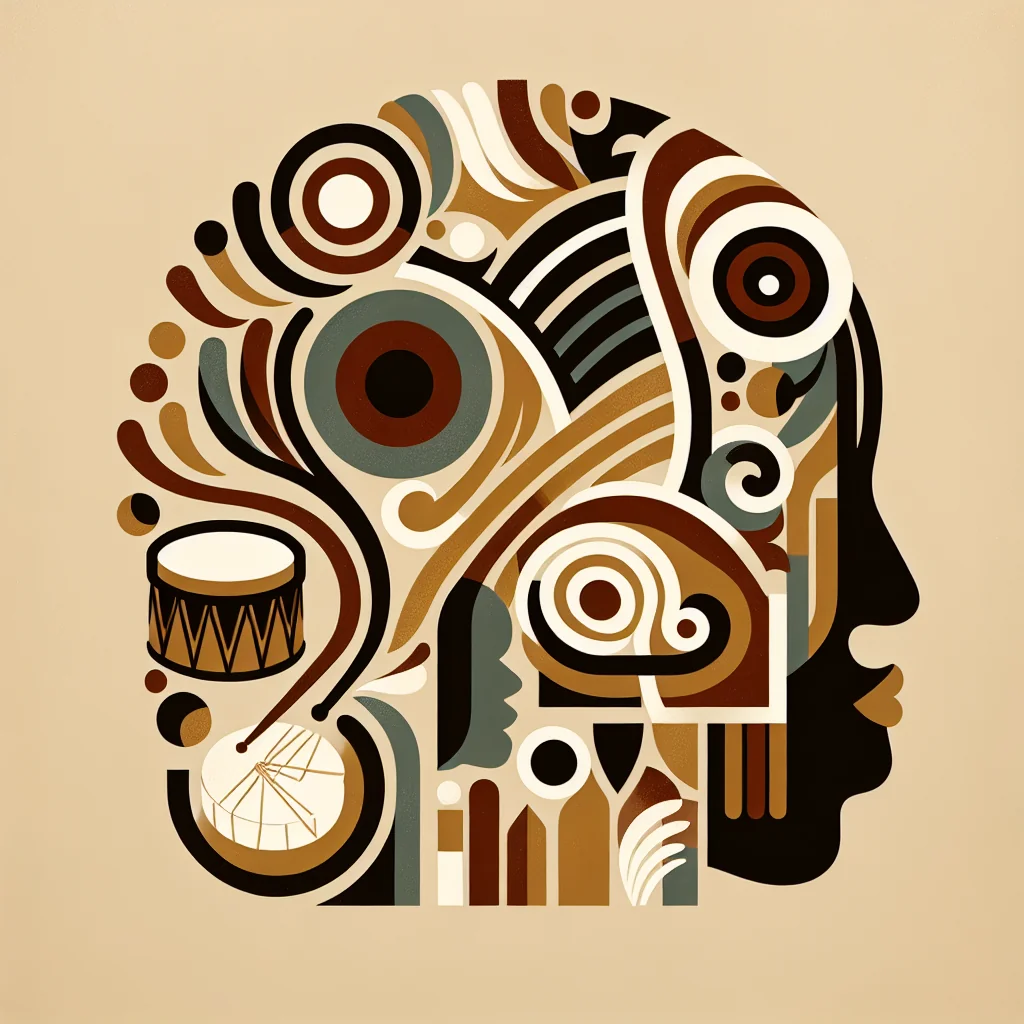
The Bahamas has a rich musical heritage, including calypso, goombay, and rake-and-scrape music.
Cultural Symbols Motifs
Symbols include the Bahamian flag (blue, gold, and red), the conch shell, and the hibiscus flower.
What Brings Joy
Bahamians find joy in family gatherings, traditional festivals, and outdoor activities like fishing and boating.
Celebrations Joyful Traditions
The Bahamas celebrates Independence Day (July 10), Emancipation Day (August 1), and Junkanoo (December 26).
Cultural Calendar And Holidays
Bahamian holidays include Christmas, Easter, and the Bahamian National Day.
Economic Context And Occupations
The Bahamas has a service-based economy, with major industries including tourism, finance, and healthcare.
Housing And Living Arrangements
Bahamians often live in close-knit communities, with many families owning their own homes or apartments.
Nutrition And Dietary Norms
Traditional Bahamian cuisine includes seafood, conch fritters, peas and rice, and guava duff.
Interpretation Needs
Bahamians may require interpretation services for non-English speakers or those with limited English proficiency.
Interpreter Notes
Interpreters should be familiar with Bahamian dialects and cultural nuances.
Documentation Traditions
Official documents are often written in English, but some government records may include Bahamian Creole.
Interactions With Other Cultures
The Bahamas has a long history of interactions with other cultures, including European colonizers, African slaves, and Asian immigrants.
Conflict Resolution Mechanisms
Bahamians often resolve conflicts through mediation or negotiation.
Cultural Exchange Programs
The Bahamas participates in various cultural exchange programs with other Caribbean countries and international organizations.
Trade Relations
The Bahamas has trade agreements with several countries, including the United States and Canada.
Shared Artistic Projects
Bahamian artists collaborate on projects with international artists, showcasing their unique cultural perspectives.
Intercultural Marriages
Intercultural marriages are common in the Bahamas, reflecting the country's diverse cultural heritage.
Shared Educational Initiatives
The Bahamas participates in regional educational initiatives, promoting cultural exchange and understanding.
Youth Perspectives
Bahamian youth value education, entrepreneurship, and community involvement. They are also passionate about preserving their cultural heritage.
Education Initiatives
The Bahamas has implemented various education initiatives, including vocational training programs and literacy campaigns.
Future Challenges
The Bahamas faces challenges related to climate change, economic development, and maintaining its unique cultural identity.
Youth Employment Trends
Youth employment trends in the Bahamas focus on tourism, finance, and technology sectors.
Future Visions
Bahamian youth envision a future with sustainable economic growth, environmental protection, and cultural preservation.
Youth Leadership Roles
Young Bahamians are taking on leadership roles in government, business, and community organizations.
Innovation And Startups
The Bahamas has seen an increase in innovation and startup initiatives, particularly in the tech sector.
Festivals And Celebrations
The Bahamas celebrates various festivals, including Junkanoo (December 26), Independence Day (July 10), and Emancipation Day (August 1).
Traditional Medicine Practices
Some Bahamians still consult traditional healers for medicinal purposes.
Environmental Practices
Bahamians prioritize environmental conservation, with initiatives focused on marine protection and sustainable tourism.
Culinary Traditions
Traditional Bahamian cuisine includes seafood, conch fritters, peas and rice, and guava duff.
Climate Adaptation Strategies
The Bahamas is implementing climate adaptation strategies, including sea-level rise mitigation and disaster preparedness plans.
Community Involvement In Practices
Community members are actively involved in environmental conservation efforts, such as beach cleanups and habitat restoration.
Environmental Education Programs
The Bahamas has implemented environmental education programs for schools and community groups.
Notable Figures
Notable Bahamians include poet Philip Rahming, musician Nathaniel Butler, and politician Lynden Pindling.
Cultural Innovations
The Bahamas has contributed to the development of calypso music, goombay dance, and rake-and-scrape music.
Literary Works
Bahamian literature includes works by Philip Rahming, Gladstone Thompson, and Marjorie Kinnan Rawlings.
Architectural Styles
The Bahamas features a mix of colonial, Victorian, and Bahamian architectural styles.
Scientific Contributions
Bahamians have made contributions to marine biology, ecology, and environmental science.
Culinary Innovations
Traditional Bahamian cuisine has influenced international dishes, such as conch fritters and guava duff.
Global Influence
The Bahamas has a significant global influence in the areas of tourism, finance, and culture.
Awards And Recognition
Bahamians have received awards for their contributions to music, literature, and environmental conservation.
Modern Influences
Modern influences in the Bahamas include American pop culture, European art, and Asian cuisine.
Digital Presence
The Bahamas has a growing digital presence, with increasing use of social media, e-commerce platforms, and online services.
Globalization Effects
Globalization has had both positive (e.g., increased trade) and negative (e.g., cultural homogenization) effects on the Bahamas.
Urbanization Effects
Urbanization in the Bahamas has led to increased economic growth, but also challenges related to housing, transportation, and environmental degradation.
Technology Adoption
The Bahamas has adopted various technologies, including renewable energy systems, e-government services, and digital payment systems.
Hybrid Cultural Forms
The Bahamas has seen the emergence of hybrid cultural forms, such as Bahamian hip-hop and reggae music.
Social Media Presence
Bahamians are increasingly active on social media platforms, sharing their experiences and perspectives with a global audience.
Challenges
The Bahamas faces cultural challenges related to preserving its unique identity, promoting cultural exchange, and addressing issues like climate change and economic development.
Preservation Efforts
Efforts to preserve Bahamian culture include initiatives focused on language documentation, traditional music preservation, and environmental conservation.
Cultural Artwork
Community Discussion
Further Reading
Explore credible external sources to deepen your understanding of Bahamas culture.