

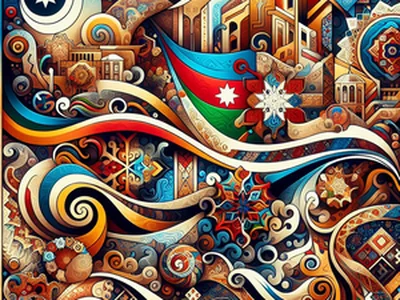
Azerbaijan
Caucasus Azerbaijani
Azerbaijan culture is a rich tapestry of traditions, languages, and customs influenced by its history and geographical location at the crossroads of Eastern Europe and Western Asia.
Historical Context
Azerbaijan has a history that dates back to ancient times, with influences from the Persian Empire, the Ottoman Empire, and the Soviet Union. It gained independence from the Soviet Union in 1991.
Migration Patterns
Historically, Azerbaijan has seen migration due to trade routes, invasions, and political changes, leading to a diverse population.
Conflict And Resilience History
Azerbaijan has experienced conflicts, notably the Nagorno-Karabakh conflict, but has shown resilience through cultural preservation and economic development.
Diaspora Perspectives
The Azerbaijani diaspora is spread across Russia, Turkey, and the United States, maintaining cultural ties through language and traditions.
Regional Variations
Cultural variations exist between urban centers like Baku and rural areas, with differences in dialects and customs.
Bridging Notes
Efforts to bridge cultural gaps include promoting Azerbaijani culture through international festivals and cultural exchanges.
Spiritual And Religious Practices
Islam is the predominant religion, with most Azerbaijanis practicing Shia Islam, alongside a secular state structure.
Beliefs And Worldview
Azerbaijanis value hospitality, respect for elders, and community cohesion, with a worldview shaped by both Eastern and Western influences.
Cultural Proverbs Sayings
Proverbs such as 'A guest is a gift from God' reflect the importance of hospitality in Azerbaijani culture.
Naming Conventions And Terms Of Address
Names often reflect Islamic and Turkic influences, with respectful terms of address used for elders and authority figures.
Health And Mental Health
Healthcare in Azerbaijan is a mix of public and private services, with traditional medicine still practiced in rural areas.
Mental Health Views
Mental health is gaining recognition, though stigma remains, and traditional beliefs often influence perceptions.
Traditional Healers
Traditional healers, known as 'tabibs', are still consulted, especially in rural communities.
Gender Roles In Healthcare
Women are primary caregivers in families, but both genders access healthcare services.
Healthcare Barriers
Barriers include rural access issues and economic disparities affecting healthcare quality.
Education And Learning Styles
Education is highly valued, with a strong emphasis on science and technology. The system is influenced by Soviet educational models.
Learning Styles
Learning is often teacher-centered, with a focus on memorization and exams.
Parental Engagement
Parents are actively involved in their children's education, often prioritizing academic success.
Family And Social Structure
Family is the cornerstone of Azerbaijani society, with extended families often living together or nearby.
Discipline And Behavior
Discipline is generally strict, with respect for elders and authority emphasized.
Authority Attitudes
Respect for authority is ingrained, with elders and community leaders holding significant influence.
Etiquette And Customs
Etiquette includes greeting with a handshake, offering tea to guests, and showing hospitality.
Community Strengths Resilience
Community resilience is built through strong family ties, cultural traditions, and collective support during hardships.
Art Music And Expression
Azerbaijan is famous for its Mugham music, traditional dances, and carpet weaving, which are integral to its cultural expression.
Cultural Symbols Motifs
Symbols like the pomegranate and motifs in carpets reflect prosperity and cultural heritage.
What Brings Joy
Music, dance, and family gatherings bring joy to Azerbaijanis, along with national celebrations.
Celebrations Joyful Traditions
Novruz, the Persian New Year, is a major celebration, marking the arrival of spring with various traditions.
Cultural Calendar And Holidays
Key holidays include Novruz, Republic Day, and Independence Day, each celebrated with cultural events.
Additional Notes
Azerbaijan's cultural expression is a blend of ancient traditions and modern influences, celebrated through festivals and art.
Economic Context And Occupations
Azerbaijan's economy is driven by oil and gas, with agriculture and services also playing significant roles.
Housing And Living Arrangements
Urbanization is increasing, but many still live in traditional family homes, especially in rural areas.
Nutrition And Dietary Norms
Cuisine includes dishes like plov and dolma, with a focus on fresh ingredients and traditional cooking methods.
Interpretation Needs
Interpretation services are needed for Azerbaijani speakers in international contexts, especially in legal and medical settings.
Interpreter Notes
Interpreters should be aware of cultural nuances and the importance of formal address in Azerbaijani culture.
Documentation Traditions
Documentation often follows Soviet-era bureaucratic styles, with a focus on formal and detailed records.
Interactions With Other Cultures
Azerbaijan has a history of cultural exchange with neighboring countries, fostering mutual understanding.
Conflict Resolution Mechanisms
Traditional mediation and community elders play roles in conflict resolution.
Cultural Exchange Programs
Programs exist to promote Azerbaijani culture abroad and facilitate cultural exchange.
Trade Relations
Azerbaijan engages in trade with regional and global partners, leveraging its oil and gas resources.
Shared Artistic Projects
Collaborations in music and art with neighboring cultures are common.
Intercultural Marriages
Intercultural marriages occur, often requiring negotiation of cultural practices.
Shared Educational Initiatives
Educational exchanges with countries like Turkey and Russia are prevalent.
Youth Perspectives
Azerbaijani youth are increasingly globalized, valuing education and technological advancement.
Education Initiatives
Government initiatives focus on improving education quality and access, particularly in STEM fields.
Future Challenges
Challenges include economic diversification and addressing youth unemployment.
Youth Employment Trends
Trends show a shift towards technology and service sectors.
Future Visions
Azerbaijan envisions a future of economic growth and cultural preservation.
Youth Leadership Roles
Youth are encouraged to take leadership roles in community and business sectors.
Innovation And Startups
The startup ecosystem is growing, with support for innovation in technology and business.
Festivals And Celebrations
Festivals like Novruz and Gurban Bayram are celebrated with traditional music, dance, and food.
Traditional Medicine Practices
Herbal remedies and traditional healing practices are still used, especially in rural areas.
Environmental Practices
Efforts are made to balance industrial growth with environmental conservation.
Rituals
Rituals often involve music and dance, particularly during weddings and religious ceremonies.
Rites Of Passage
Rites of passage such as weddings and circumcisions are celebrated with community gatherings.
Culinary Traditions
Azerbaijani cuisine is rich in flavors, featuring dishes like kebabs and baklava.
Climate Adaptation Strategies
Strategies include water management and agricultural adaptation to climate change.
Biodiversity Conservation
Conservation efforts focus on protecting unique flora and fauna in regions like the Caucasus Mountains.
Sustainable Tourism Practices
Sustainable tourism is promoted to preserve cultural heritage and natural landscapes.
Renewable Energy Use
Investment in renewable energy sources like wind and solar is increasing.
Community Involvement In Practices
Communities are involved in environmental and cultural preservation initiatives.
Environmental Education Programs
Programs aim to educate the public on environmental issues and sustainable practices.
Notable Figures
Figures like composer Uzeyir Hajibeyov and poet Nizami Ganjavi are celebrated for their contributions to culture.
Cultural Innovations
Innovations include the development of Mugham music and unique carpet weaving techniques.
Literary Works
Azerbaijani literature includes classical poetry and modern novels reflecting cultural themes.
Architectural Styles
Architecture features Islamic and Soviet influences, with landmarks like the Maiden Tower.
Scientific Contributions
Contributions in fields like oil extraction technology and chemistry are notable.
Culinary Innovations
Innovations include fusion dishes that blend traditional Azerbaijani flavors with modern techniques.
Global Influence
Azerbaijan's cultural influence extends through its music, literature, and participation in international events.
Awards And Recognition
Azerbaijani artists and scientists have received international awards for their contributions.
Modern Influences
Modern influences include Western fashion and technology, blending with traditional customs.
Digital Presence
Azerbaijan has a growing digital presence, with active participation in social media and online platforms.
Globalization Effects
Globalization has led to increased cultural exchange and economic opportunities.
Urbanization Effects
Urbanization is reshaping cities like Baku, with modern infrastructure and cultural hubs.
Technology Adoption
Technology adoption is high, with widespread use of smartphones and internet services.
Hybrid Cultural Forms
Hybrid forms include modern music and art that incorporate traditional elements.
Social Media Presence
Social media is widely used for cultural promotion and personal expression.
Challenges
Challenges include preserving cultural heritage amidst modernization and economic pressures.
Preservation Efforts
Efforts include government initiatives and NGO projects focused on cultural preservation and education.
Cultural Artwork
Community Discussion
Further Reading
Explore credible external sources to deepen your understanding of Azerbaijan culture.