

Aragonese
Aragon, Spain AragoneseSpanish
The Aragonese culture is rooted in the historical region of Aragon in northeastern Spain, known for its rich history, unique language, and vibrant traditions.
Historical Context
Aragon was a significant kingdom in medieval Spain, playing a crucial role in the Reconquista and later forming part of the Crown of Aragon.
Migration Patterns
Historically, there has been migration from rural to urban areas within Aragon, as well as emigration to other parts of Spain and Europe.
Conflict And Resilience History
Aragon has experienced various conflicts, including the War of the Spanish Succession, but has maintained its cultural identity through resilience and adaptation.
Diaspora Perspectives
The Aragonese diaspora maintains cultural ties through festivals and community organizations, particularly in Latin America.
Regional Variations
There are distinct cultural variations within Aragon, such as differences in dialects and local customs between the provinces of Huesca, Zaragoza, and Teruel.
Bridging Notes
Efforts to preserve the Aragonese language and traditions are ongoing, with cultural exchanges and educational programs.
Spiritual And Religious Practices
Predominantly Roman Catholic, with local saints and religious festivals playing a significant role in community life.
Beliefs And Worldview
Aragonese people value community, tradition, and a connection to their historical roots, often emphasizing family and local identity.
Cultural Proverbs Sayings
Common sayings reflect the importance of hard work, resilience, and the value of community support.
Naming Conventions And Terms Of Address
Traditional naming conventions often include both paternal and maternal surnames, with formal and informal terms of address used depending on social context.
Health And Mental Health
Healthcare is modern and accessible, with traditional remedies sometimes used in conjunction with conventional medicine.
Mental Health Views
Mental health is increasingly recognized, with growing awareness and acceptance of mental health services.
Traditional Healers
While less common today, traditional healers known as 'curanderos' were historically part of rural health practices.
Gender Roles In Healthcare
Healthcare roles are generally egalitarian, though women often play a central role in family health management.
Healthcare Barriers
Rural areas may face challenges in accessing specialized healthcare services.
Education And Learning Styles
Education is highly valued, with a focus on both traditional subjects and modern skills.
Learning Styles
Interactive and collaborative learning styles are encouraged, with an emphasis on critical thinking.
Parental Engagement
Parents are actively involved in their children's education, often participating in school activities and decision-making.
Family And Social Structure
Family is the cornerstone of social life, with extended family networks providing support and social cohesion.
Discipline And Behavior
Discipline is generally based on respect and community norms, with an emphasis on teaching responsibility and respect for others.
Authority Attitudes
Respect for authority is balanced with a strong sense of community involvement and democratic participation.
Etiquette And Customs
Politeness and hospitality are important, with customs such as greeting with a kiss on both cheeks being common.
Community Strengths Resilience
Strong community ties and a rich cultural heritage contribute to resilience and social support networks.
Art Music And Expression
Aragonese culture is rich in traditional music, dance, and festivals, with the 'jota' being a popular folk dance.
Cultural Symbols Motifs
Symbols such as the Aragonese flag and the 'baturrico' (traditional costume) are important cultural motifs.
What Brings Joy
Festivals, family gatherings, and traditional music and dance are sources of joy and community pride.
Celebrations Joyful Traditions
Festivals like the Fiestas del Pilar and local patron saint days are celebrated with parades, music, and communal meals.
Cultural Calendar And Holidays
The cultural calendar includes religious holidays, local festivals, and national celebrations, reflecting a blend of historical and contemporary influences.
Additional Notes
Efforts to preserve and promote Aragonese culture include cultural festivals, educational programs, and international cultural exchanges.
Economic Context And Occupations
The economy is diverse, with agriculture, industry, and services being key sectors. Tourism also plays a significant role.
Housing And Living Arrangements
Housing varies from urban apartments to rural homes, with a trend towards urbanization in recent years.
Nutrition And Dietary Norms
The diet is Mediterranean, featuring olive oil, fresh vegetables, and local specialties like 'ternasco' (lamb) and 'migas'.
Interpretation Needs
While Spanish is widely spoken, there is a growing interest in preserving and promoting the Aragonese language.
Interpreter Notes
Interpreters may be needed in educational and cultural contexts to support Aragonese language speakers.
Documentation Traditions
Documentation is typically in Spanish, with efforts to include Aragonese in cultural and educational materials.
Interactions With Other Cultures
Aragonese culture interacts with neighboring cultures through trade, festivals, and cultural exchanges.
Conflict Resolution Mechanisms
Community dialogue and traditional mediation practices are used to resolve conflicts.
Cultural Exchange Programs
Programs exist to promote cultural understanding and exchange with other regions and countries.
Trade Relations
Historically, Aragon engaged in trade with Mediterranean and European regions, influencing its cultural development.
Shared Artistic Projects
Collaborations in music and arts with other Spanish regions and international partners.
Intercultural Marriages
Intercultural marriages are common, reflecting the diverse influences in the region.
Shared Educational Initiatives
Educational initiatives often involve collaboration with other regions to promote language and cultural studies.
Youth Perspectives
Aragonese youth are increasingly engaged in cultural preservation and innovation, balancing tradition with modernity.
Education Initiatives
Programs focus on bilingual education and cultural heritage preservation.
Future Challenges
Challenges include maintaining cultural identity in the face of globalization and urbanization.
Youth Employment Trends
Youth employment is focused on technology, tourism, and cultural industries.
Future Visions
A vision of cultural sustainability and innovation, with a focus on integrating tradition with modern advancements.
Youth Leadership Roles
Youth are taking on leadership roles in cultural organizations and community projects.
Innovation And Startups
There is a growing trend of startups in technology and cultural sectors, driven by young entrepreneurs.
Festivals And Celebrations
Festivals are central to Aragonese culture, celebrating historical events, religious traditions, and seasonal changes.
Traditional Medicine Practices
Traditional remedies are sometimes used alongside modern medicine, particularly in rural areas.
Environmental Practices
Sustainable agriculture and conservation efforts are important, reflecting a connection to the land.
Rituals
Rituals often involve religious ceremonies, traditional music, and community gatherings.
Rites Of Passage
Rites of passage include religious sacraments and community celebrations marking life stages.
Culinary Traditions
Culinary traditions feature local ingredients and dishes, with an emphasis on seasonal and regional specialties.
Climate Adaptation Strategies
Efforts include sustainable water management and agricultural practices to adapt to climate change.
Biodiversity Conservation
Conservation programs focus on protecting native species and natural habitats.
Sustainable Tourism Practices
Tourism initiatives aim to balance cultural preservation with economic development.
Renewable Energy Use
There is a growing emphasis on renewable energy sources, such as wind and solar power.
Community Involvement In Practices
Community involvement is key in environmental and cultural preservation efforts.
Environmental Education Programs
Programs aim to educate the public about environmental conservation and sustainable practices.
Notable Figures
Notable figures include King Ferdinand II of Aragon and painter Francisco de Goya.
Cultural Innovations
Innovations in music and dance, particularly the development of the 'jota'.
Literary Works
Aragonese literature includes works by authors such as Ramón J. Sender.
Architectural Styles
Gothic and Mudéjar architecture are prominent, with notable examples in churches and castles.
Scientific Contributions
Contributions in agriculture and engineering, particularly during the medieval period.
Culinary Innovations
Innovations include unique dishes like 'ternasco' and 'migas', reflecting local ingredients and traditions.
Global Influence
Aragonese culture has influenced Spanish and European art, music, and architecture.
Awards And Recognition
Recognition for cultural heritage sites and contributions to Spanish cultural identity.
Modern Influences
Modern influences include technology, globalization, and increased cultural exchange.
Digital Presence
Growing digital presence through social media and online cultural platforms.
Globalization Effects
Globalization has brought both opportunities and challenges for cultural preservation.
Urbanization Effects
Urbanization has led to changes in lifestyle and cultural practices, with a focus on balancing tradition and modernity.
Technology Adoption
Technology is widely adopted, with a focus on innovation in cultural industries.
Hybrid Cultural Forms
Hybrid forms of music, art, and cuisine reflect the blending of traditional and modern influences.
Social Media Presence
Social media is used to promote cultural events and engage with a global audience.
Challenges
Challenges include preserving the Aragonese language and cultural identity amidst globalization.
Preservation Efforts
Efforts include language revitalization programs and cultural heritage projects.
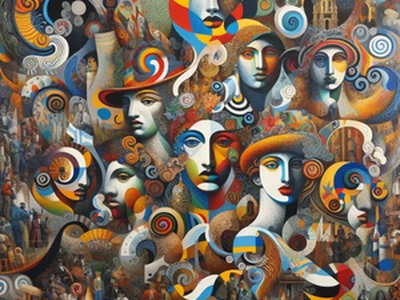
Cultural Artwork
Community Discussion
Further Reading
Explore credible external sources to deepen your understanding of Aragonese culture.